Walking Meditation: How to Turn Your Daily Walk Into Mindfulness
Ballarat's lakeside paths and botanical trails offer some of Victoria's finest outdoor spaces for a practice that costs nothing and asks only for your attention.
AI-assisted journalism under human editorial accountability and risk-based review. AI may assist with research, summarising and drafting. Where public source links underpin the article, they are shown below. Sensitive material is held for human review; some lower-risk material may be published automatically after sourcing, accuracy and safety checks. The Daily Ballarat covers Ballarat news. It is provided for general information only and is not professional, legal, financial, or medical advice. Read about our editorial care →
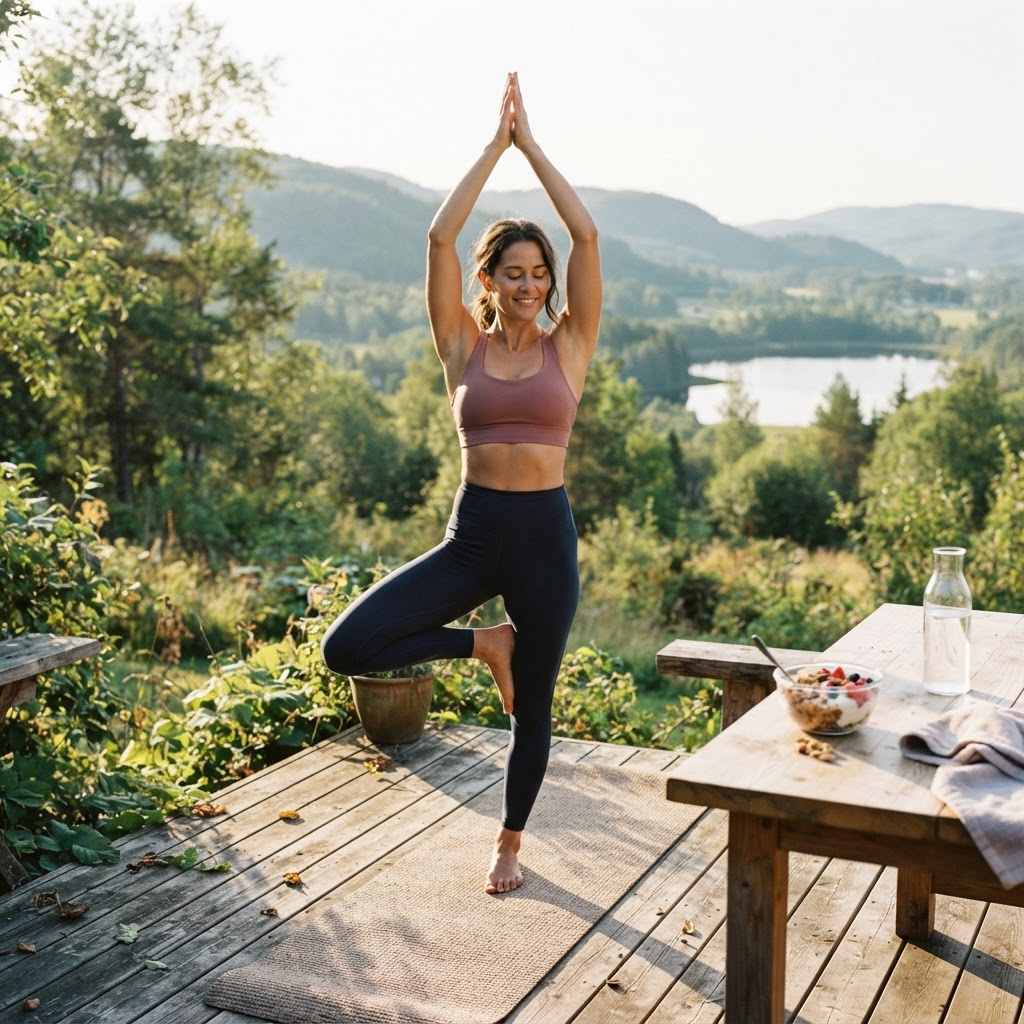
AI illustration
The walk is already happening. Most Ballarat residents are already lacing up for a loop around Lake Wendouree or a stretch along the Ballarat Rail Trail at least a few times a week. The shift being urged by mindfulness practitioners is deceptively simple: stop treating the walk as dead time between destinations and start treating it as the practice itself.
Walking meditation, moving slowly and deliberately while anchoring attention to the physical sensations of each step, has been part of Buddhist traditions for more than 2,500 years. It is now finding a growing audience in secular health settings, partly because it removes the biggest barrier people cite against seated meditation: the instruction to sit still and do nothing. For anyone who has ever felt restless or frustrated on a cushion, the idea that movement can be the anchor rather than the obstacle tends to land well.
The timing matters. Australians are grappling with what health researchers have described as a post-pandemic attention crisis, a measurable decline in the ability to sustain focus, linked to screen saturation and disrupted routines. At the same time, the conversation around aged care quality, financial stress, and workplace burnout is loud enough right now that a zero-cost, zero-equipment practice with documented stress-reduction benefits deserves serious attention. Walking meditation asks for nothing more than thirty minutes and a footpath.
Where Ballarat Does This Particularly Well
The 5.2-kilometre perimeter path around Lake Wendouree is close to ideal for the practice. The path is flat, well-maintained, and largely free from traffic noise on the western and northern shores. The rhythm of the rowing crews on the water during Ballarat Rowing Club training sessions, typically before 8am on weekday mornings, provides an unhurried backdrop that practitioners often find useful for pacing breath to movement.
The Ballarat Botanical Gardens, established in 1858 and covering roughly 40 hectares off Wendouree Parade, offer something slightly different: a slower, more enclosed environment with the sensory richness of old-growth trees, gravel underfoot, and seasonal plantings that change what you smell and see month to month. The gardens' lakeside walk, threading between the begonia display glasshouse and the original avenue of elms, is short enough, under two kilometres end to end, to be walked twice or three times without tedium if you are genuinely paying attention to it.
The Ballarat Rail Trail, running northeast from Ballarat through Clunes and beyond, suits walkers who prefer more distance and open sky. The flat, sealed surface through the suburbs near Ballarat North is accessible for all fitness levels and provides enough visual variety, paddocks, heritage bridges, occasional wildlife, to work with rather than against the practice of noticing.
How to Actually Do It
The mechanics are straightforward. Begin with two or three slow, deliberate breaths before the first step. Walk at roughly half your normal pace for the first five minutes. Direct attention to the physical contact between foot and ground, heel, mid-foot, toe, rather than to your destination or your phone. When thoughts arise, which they will within about thirty seconds, notice them without judgment and return attention to the feet. Gradually, as the practice becomes familiar, expand awareness outward: sounds, temperature on skin, the weight shift from one hip to the other.
Ballarat Health Services' community health programs have incorporated mindfulness components into several chronic disease management pathways in recent years, reflecting broader evidence that stress reduction supports outcomes across conditions from cardiovascular disease to type 2 diabetes. The Black Dog Institute, based in Sydney, publishes freely available mindfulness resources on its website, including audio guides compatible with outdoor practice. Apps such as Insight Timer offer free walking meditation sessions, some under fifteen minutes, that work without headphones if you prefer to keep your hearing open to the environment around you.
The most important practical note: leave the earbuds out, at least for the first ten minutes. The practice depends on sensory contact with the actual world, and Ballarat, particularly on a still July morning with frost on the Botanical Gardens lawn and the lake flat and grey, provides more than enough material to work with.
As with any health practice, those managing existing physical or mental health conditions should speak with their GP or a mental health professional before making significant changes to their routine. Ballarat Community Health offers intake appointments for residents seeking local allied health support.
Covering wellness in Ballarat. This article was generated by AI, under human editorial accountability and risk-based review and our reasonable editorial care. Sensitive material is held for human review before publication. See our reasonable editorial care.
Beta: AI-assisted and human-overseen. Details may be imperfect, so please verify anything important.
Spread the word
Share
Daily brief
Enjoyed this? Wake up to Ballarat news every morning.
The Ballarat local brief — free, every morning
Free daily Ballarat email brief. By subscribing you consent to receive it; unsubscribe anytime. Briefs are produced with AI assistance and edited by a human editor.