Winter in Ballarat brings earlier sunsets and longer evenings, the kind of nights that tempt us toward screens. But if you've noticed your sleep quality slipping since the days shortened, you're not imagining it—and your phone might be part of the problem.
The relationship between screen time and sleep is more nuanced than popular wellness headlines suggest. Recent sleep science shows that it's not screens themselves, but the *timing* and *type* of screen use that matter most.
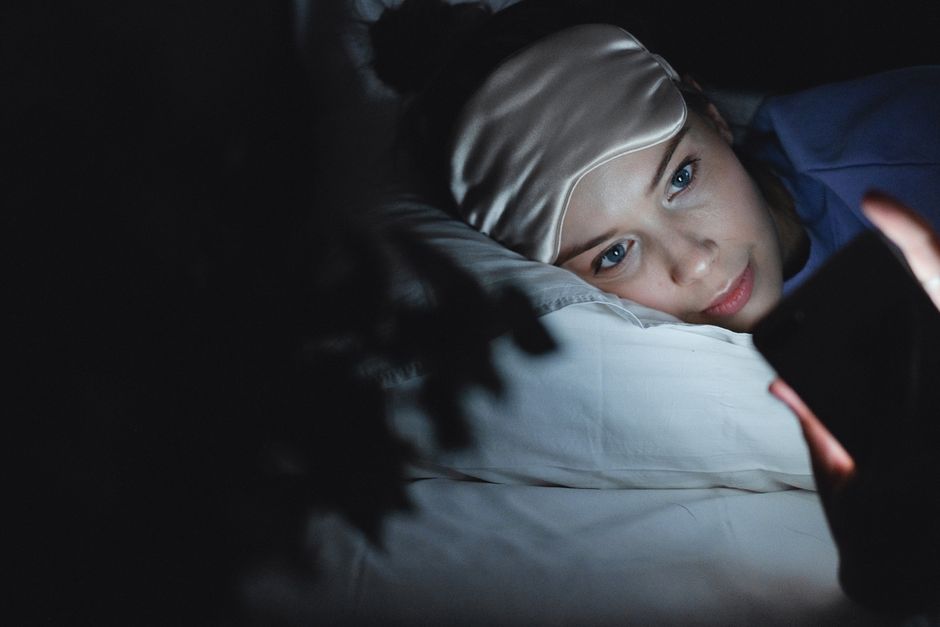
Research indicates that blue light from phones, tablets and computers does suppress melatonin production—the hormone that tells your body it's time to sleep. However, this effect is measurable only when screen use occurs within 30 to 60 minutes of bedtime. Watching your phone at 8 p.m. while sitting in your Ballarat home has far less impact than scrolling in bed at 10:45 p.m.
The bigger culprit, studies suggest, is psychological engagement. An exciting social media feed or a gripping Netflix episode stimulates your brain's reward centres, making it harder to wind down—regardless of screen brightness. This mental activation, not the light itself, delays sleep onset for most people.
"The evidence-based approach is straightforward," explains sleep hygiene guidance from major research institutions: establish a screen-free wind-down period of 20 to 30 minutes before sleep. For Ballarat residents juggling work emails and family messaging, this might feel inconvenient, but it's where the real payoff lies.
Consider an alternative evening routine. Instead of screens, a lakeside walk through the Ballarat Botanical Gardens or a gentle stroll along the Rail Trail costs nothing and actively supports sleep. Even a short walk around your neighbourhood in East Ballarat or Golden Point—areas with good street lighting—can reset your circadian rhythm as daylight fades.
If evening activity isn't possible, simple adjustments work: reduce screen brightness after sunset, enable your device's night mode (which does help, though less dramatically than marketed), or switch to audio content like podcasts or audiobooks, which don't demand visual attention.
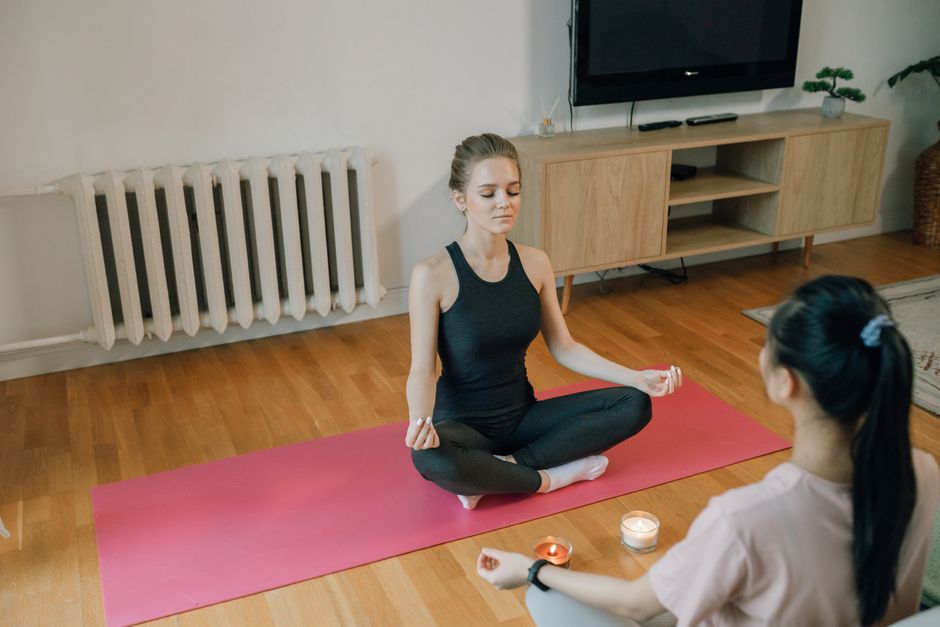
The research is clear on one point: it's not about demonising technology. It's about *when* and *how* we use it. A screen-free bedroom and a genuine wind-down period—whether that's reading, stretching, or simply sitting quietly—remains the most reliable path to better sleep through Ballarat's long winter nights.
For persistent sleep concerns, Ballarat Health Services offers GP appointments to discuss individual sleep patterns and any underlying issues.
This article was compiled by AI from the sources linked above and screened before publishing. See our editorial standards.