Ballarat's altitude and fluctuating temperatures create a unique hydration challenge that locals often underestimate. Sitting 435 metres above sea level, our region experiences rapid weather shifts—from crisp mornings to warmer afternoons—that affect how much fluid your body actually needs.
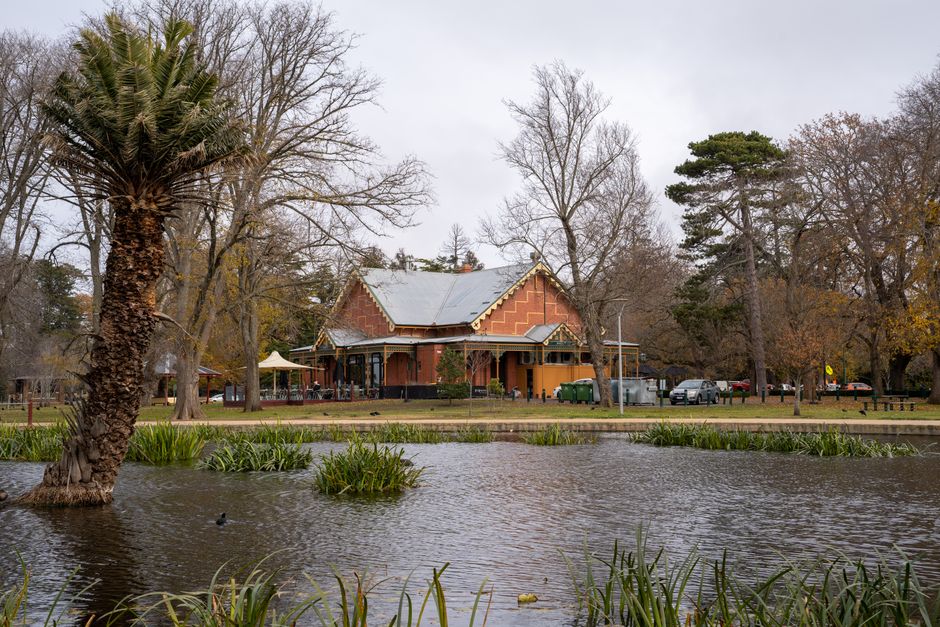
"People in Ballarat tend to forget they're losing moisture even when it feels cool," says a spokesperson from Ballarat Health Services' wellness program. During spring and summer, when many locals increase outdoor activity—whether walking the Ballarat Botanical Gardens lakeside circuit or cycling the Rail Trail—dehydration sneaks up quietly.
The baseline recommendation remains straightforward: eight glasses (about 2 litres) of water daily for most adults. However, this shifts significantly based on activity level. If you're tackling the Rail Trail's 38-kilometre loop or rowing on Lake Wendouree, you'll need considerably more. A useful rule: drink enough that your urine remains pale yellow. Dark urine signals dehydration.
Water remains your best choice, but context matters. For activities under 60 minutes, plain water suffices. Longer efforts—say, a full Rail Trail cycle from Ballarat to Skipton—benefit from electrolyte-enhanced drinks. Local supermarkets stock options ranging from $2.50 to $6 per bottle, though homemade alternatives (water with a pinch of salt and squeeze of lemon) work equally well.
Ballarat's spring weather complicates hydration awareness. Cool temperatures mask fluid loss, yet our elevation and variable humidity mean your body perspires more than lowland areas. Morning walks around the lake or evening strolls through the Botanical Gardens near Wendouree Parade might feel refreshing but still deplete your reserves.
Caffeine and alcohol require special attention. Coffee, tea, and alcohol are mild diuretics—they increase urination. If you're enjoying a flat white from a Sturt Street café before exercise, account for it by drinking extra water beforehand.
Timing matters too. Rather than gulping litres during activity, sip regularly: 200–300 millilitres every 15–20 minutes during exercise. Start hydrating before you feel thirsty; thirst is already a sign of mild dehydration.
Individual needs vary. Age, fitness level, metabolism, and existing health conditions all influence hydration requirements. Ballarat Health Services offers personalised nutrition advice for those with specific concerns.
This winter-to-spring transition is ideal for establishing good hydration habits before summer arrives. Whether you're a casual Botanical Gardens walker or keen Lake Wendouree rower, consistent fluid intake supports energy, focus, and recovery—Ballarat's variable climate makes it essential.
This article was compiled by AI from the sources linked above and screened before publishing. See our editorial standards.