After a long day exploring Ballarat's walking trails or cycling the Rail Trail, a good night's sleep isn't just nice—it's essential for recovery. Yet many of us struggle to switch off. Sleep scientists now have clear answers about what actually works.
"The key is consistency," says Dr Sarah Mitchell, a sleep physiologist who consults with Ballarat Health Services. "Your body craves predictability. Starting your wind-down 60 to 90 minutes before bed signals to your brain that sleep is coming."
The science is compelling. Research shows that lowering core body temperature, dimming light exposure, and reducing screen time create the neurological conditions for sleep onset. In Ballarat's winter months—when darkness arrives by 5pm—this becomes easier, but the principle holds year-round.
What actually works: A warm bath or shower 90 minutes before bed causes a subsequent drop in core temperature as your body cools post-shower. This temperature dip mirrors natural sleep onset. Adding Epsom salts (available at local pharmacies around $8–12 per pack) may enhance relaxation, though the warm water itself does the heavy lifting.
Dim your lights by 8pm. Blue light from phones and laptops suppresses melatonin production. If you're reading, opt for physical books over screens. Ballarat Library on Sturt Street stocks thousands—and it's free.
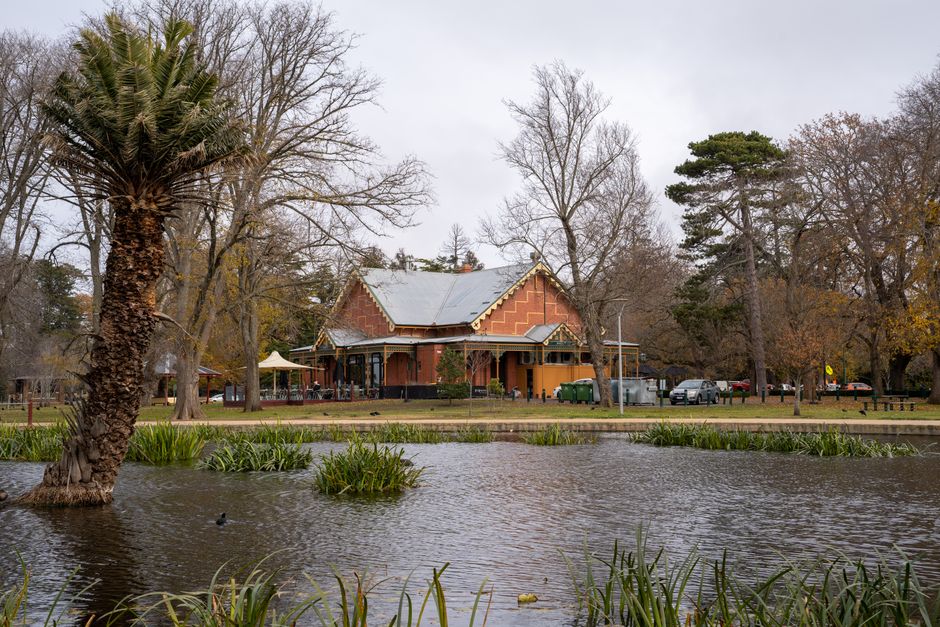
Gentle movement helps. A 15-minute walk through the Botanical Gardens near Lake Wendouree, completed two to three hours before bed, improves sleep quality without overstimulating your nervous system. Avoid vigorous exercise close to bedtime; the adrenaline works against you.
Herbal tea—chamomile or passionflower—creates a ritual cue. The warmth and flavour signal downtime to your brain. Cost: around $3–5 per box at local supermarkets.
"Consistency matters more than perfection," Dr Mitchell adds. "Even three nights weekly of a structured routine improves sleep architecture measurably."
Ballarat residents working shifts or with irregular schedules should apply these principles flexibly: if your "night" is 6am, your wind-down happens three hours prior. The mechanism remains the same.
If sleep problems persist beyond four weeks—or if you suspect sleep apnoea or other conditions—consult your GP. Ballarat Health Services offers sleep assessments and specialist referrals.
The bottom line: your evening routine is an investment in tomorrow's energy, mood, and recovery. Start small, pick one or two practices, and build from there.
This article was compiled by AI from the sources linked above and screened before publishing. See our editorial standards.