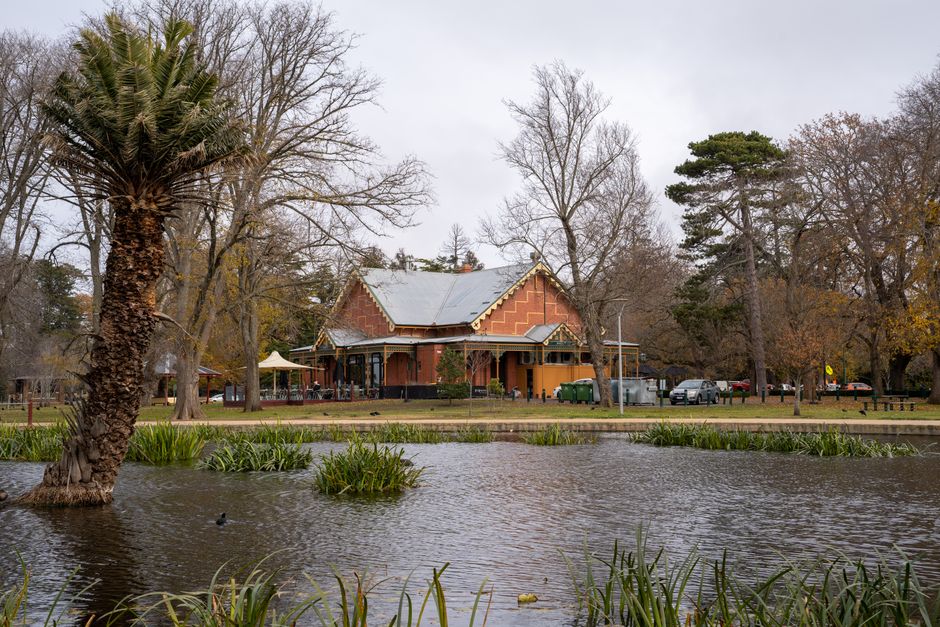
On any given weekday morning, the Ballarat Botanical Gardens lakeside walk fills with locals seeking quiet time to think. Yet for many men in our region, the struggle to articulate what's really going on—the pressure, the isolation, the weight of expectation—remains unspoken.
According to beyondblue, one in eight Australian men will experience depression in their lifetime. In Ballarat, where unemployment and economic uncertainty have shaped recent years, mental health professionals report that male clients often arrive at crisis point rather than seeking early intervention.
"Men tend to wait until things are critical," explains a counsellor at Ballarat Health Services' mental health clinic on Sturt Street. "We're seeing guys who've been struggling for months—sometimes years—before they book an appointment."
The barrier isn't access. Free or low-cost services exist: Ballarat Health Services offers mental health support; Beyond Blue's 1300 224 636 line operates 24/7; and the Ballarat & District Men's Shed, based in Sebastopol, provides peer connection through practical activity. Yet stigma persists.
Local GP practices across East Ballarat and Wendouree report that normalising the conversation is half the battle. Simple actions help: workmates checking in genuinely; community groups like the Rail Trail cycling club or Lake Wendouree rowing club creating informal spaces for connection; and men witnessing other men speak honestly about struggle.
David, a 52-year-old tradesman from Ballarat Central, attended his first counselling session last year after his partner insisted. "I thought I'd failed somehow," he says now. "Turns out I was just exhausted and had never talked about it." Cost—typically $80–120 per session through Medicare—remains a barrier for some, though rebates can offset this.
Practical steps are emerging locally. Ballarat Regional High School now includes mental health literacy in its curriculum. Several workplaces have introduced "mental health champions." And conversations at the coffee shops on Lydiard Street and beyond are shifting.
Breaking silence doesn't require grand gestures. It starts with one conversation—a mate asking "how are you, really?" and actually listening. It means recognising that seeking help is strength, not surrender.
If you're struggling, contact Ballarat Health Services (5320 3333), Beyond Blue (1300 224 636), or Lifeline Australia (13 11 14). Your GP is also a trusted first point of contact.
This article was compiled by AI from the sources linked above and screened before publishing. See our editorial standards.