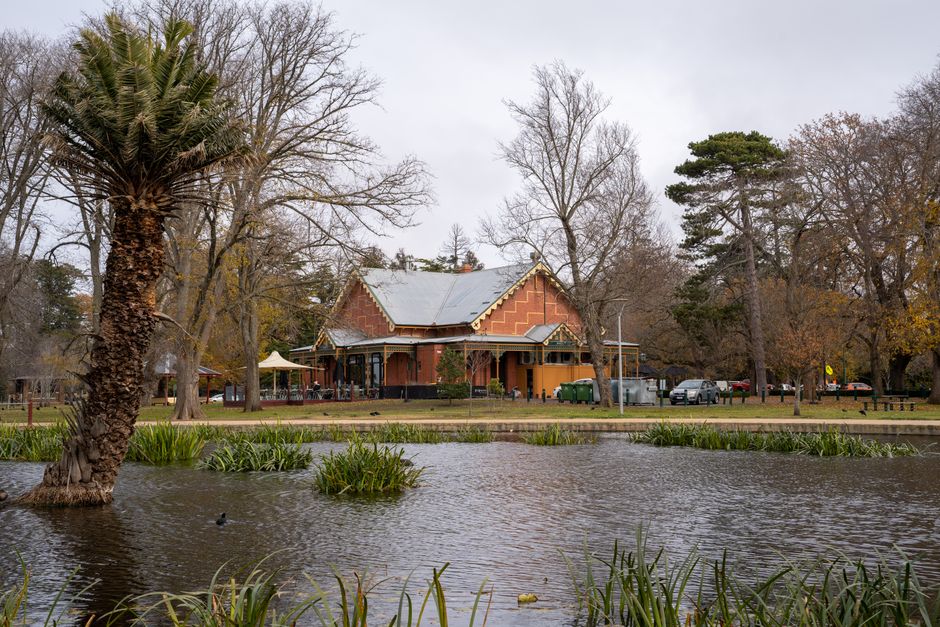
Margaret Chen didn't set out to transform her retirement. At 68, after three decades in nursing, she expected the usual rhythm: more golf, quieter days, perhaps a bit of travel. Instead, she found herself at the Ballarat Botanical Gardens, leading guided walks twice a week—and discovering that volunteering was doing more for her wellbeing than any gym membership could.
"I realised I wasn't just moving my body," Margaret explains. "I was engaging my mind, meeting people, and feeling useful again. It's changed everything."
Margaret's experience reflects a quiet but significant shift in how Ballarat's retirees are approaching their later years. While mainstream wellness often focuses on exercise routines or dietary tweaks, a growing body of research suggests that volunteering—with its unique blend of purpose, social connection and gentle physical activity—may be one of the most powerful tools for active ageing.
Across Ballarat, there are dozens of opportunities. The Lake Wendouree rowing clubs welcome volunteer support staff; local libraries on Sturt Street seek reading tutors; Ballarat Health Services coordinates volunteer visitor programs; and heritage groups along the Rail Trail recruit guides. A typical volunteer week might cost nothing but yield profound returns: structured activity, meaningful relationships, and a sense of belonging that transcends the sometimes isolating experience of retirement.
Dr Sarah Whitford, a gerontologist at Ballarat Health Services, notes that volunteering addresses several pillars of healthy ageing simultaneously. "You're maintaining cognitive engagement through training and problem-solving. You're building social networks. You're often moving your body in functional, purposeful ways—not just 'exercising' but achieving something real."
The mental health benefits are equally significant. Volunteers consistently report lower rates of depression and anxiety, better sleep quality, and greater life satisfaction. For retirees in suburbs like Golden Point, Sebastopol and Delacombe, volunteering can be the difference between remaining embedded in community or becoming isolated.
Getting started is straightforward. Ballarat Community Health Services maintains a volunteer database; most placements are free to join, with some organisations offering small travel allowances. A typical commitment might be 4–8 hours weekly—flexible enough to balance other interests, structured enough to create routine.
The beauty of volunteering as a wellness tool is that it works quietly. There's no expensive equipment, no complicated techniques. Just people like Margaret, moving through the gardens she knows and loves, sharing knowledge and staying vibrantly alive.
For local retirees considering their next chapter, that might be the most important health insight of all: purpose isn't something you find in a bottle. It's something you build, together.
This article was compiled by AI from the sources linked above and screened before publishing. See our editorial standards.