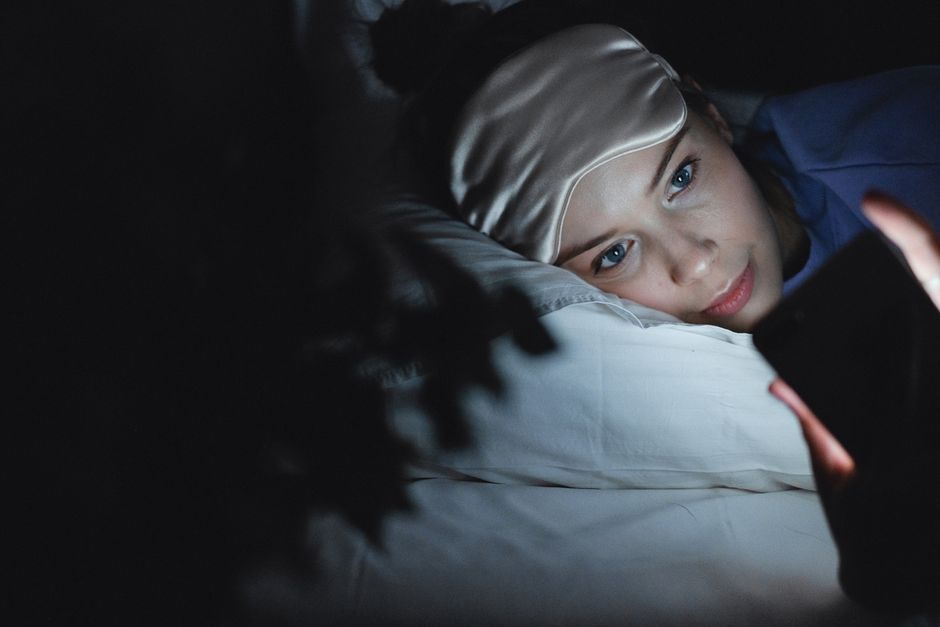
The advice seems simple enough: put your phone away an hour before bed. But does the science actually support it? And more importantly, what does that mean for those of us trying to get better sleep in Ballarat?
Recent research paints a more nuanced picture than the blanket "screens are evil" narrative we've heard for years. While blue light from devices does suppress melatonin production—the hormone that signals sleep time—studies suggest the effect is modest compared to other factors. The real culprit? The psychological engagement of scrolling, messaging and content consumption.
Dr Sarah Chen, a sleep researcher at Melbourne's Institute for Sleep Science, explains: "It's not the light itself causing most sleep problems. It's what screens do to our brains." When you're checking emails or social media, your nervous system stays activated. The constant dopamine hits from notifications keep your mind alert, making it harder to transition into sleep mode.
A 2025 Australian sleep study found that people who used screens within 30 minutes of bed took an average of 23 minutes longer to fall asleep—but this was mainly among "active" users scrolling or typing. Those simply watching passive content showed minimal delay. The key difference: mental engagement, not light exposure.
For Ballarat residents juggling work and family, this offers practical relief. You don't need to banish screens entirely. Instead, consider replacing high-engagement activities with low-engagement ones in that final hour. Watching a downloaded show you've seen before beats refreshing your news feed.
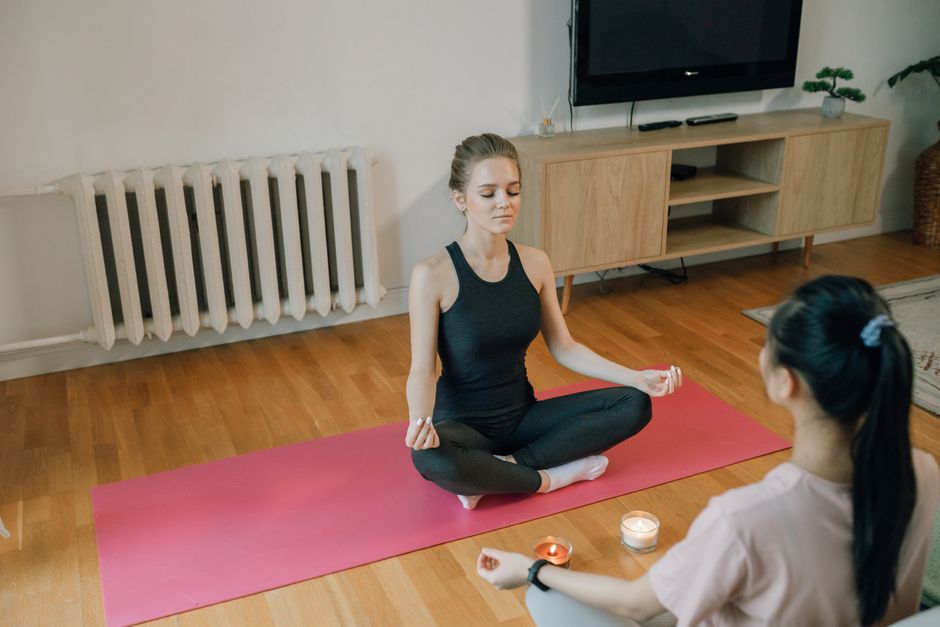
Local sleep wellness consultant James Whitmore, who runs evening yoga classes near the Ballarat Botanical Gardens, suggests a different approach: "We recommend the 20-minute wind-down—whatever that looks like for you. For some, it's genuinely no screens. For others, it's low-stakes scrolling while lying down."
The research also highlights what matters more: consistency. Going to bed at the same time nightly—whether that's 10 p.m. or midnight—has a stronger effect on sleep quality than screen timing. Regular movement, like the Rail Trail cycling or lakeside walks around Lake Wendouree, also significantly improves sleep architecture.
If you're struggling with sleep, Ballarat Health Services offers free sleep assessment consultations. But before booking, consider: Are you actually checking your phone because you can't sleep, or staying awake to check it? That distinction changes the solution entirely.
The research is clear: screens aren't the enemy. But your brain's engagement with them might be. Start there.
This article was compiled by AI from the sources linked above and screened before publishing. See our editorial standards.