Sport
Grassroots Glory: How Ballarat's Amateur League Became a Movement
Behind the standings lies a story of community spirit, local volunteers, and a sporting revolution that started on suburban ovals.
3 min read
Sport
Behind the standings lies a story of community spirit, local volunteers, and a sporting revolution that started on suburban ovals.
3 min read

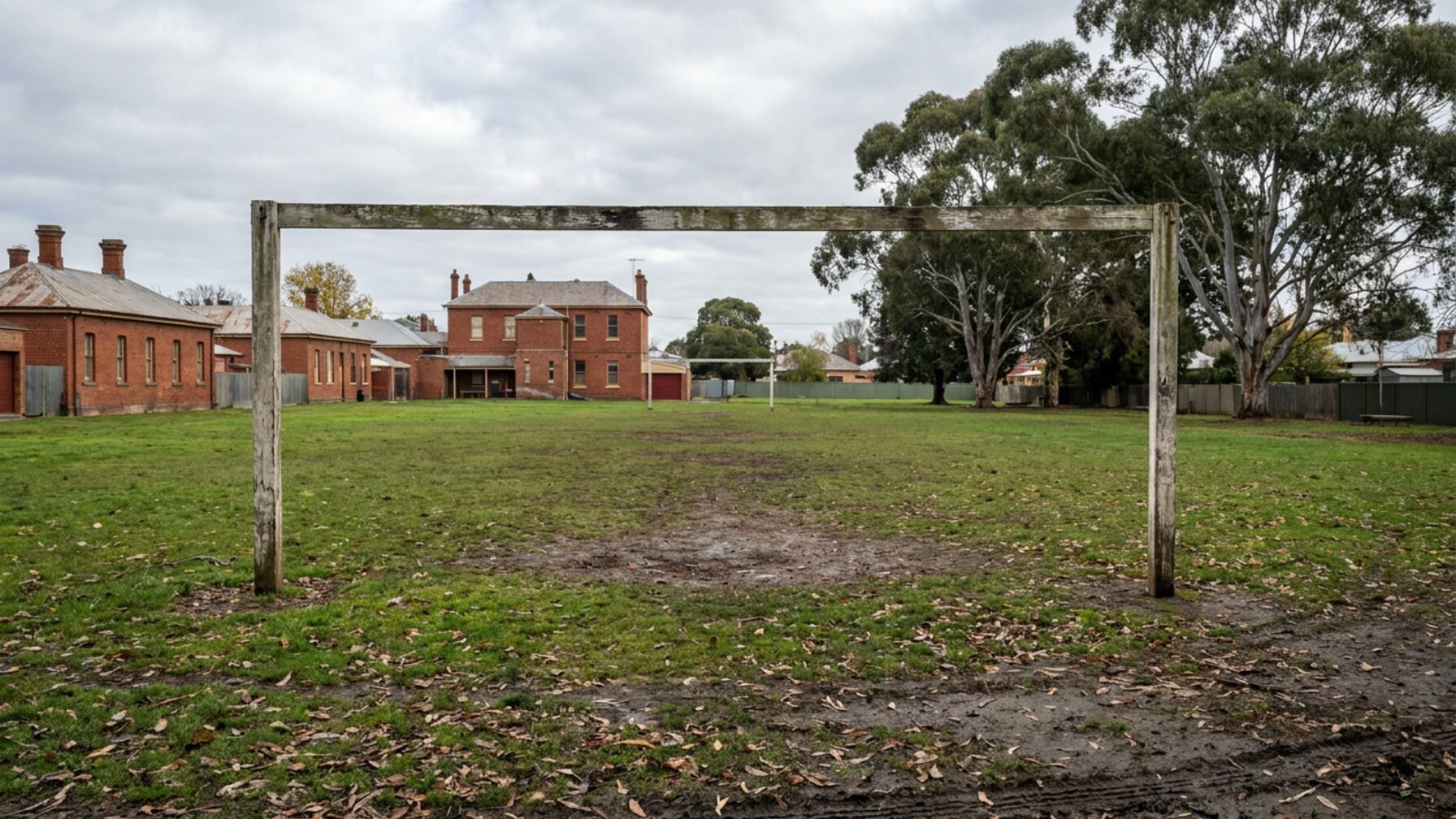
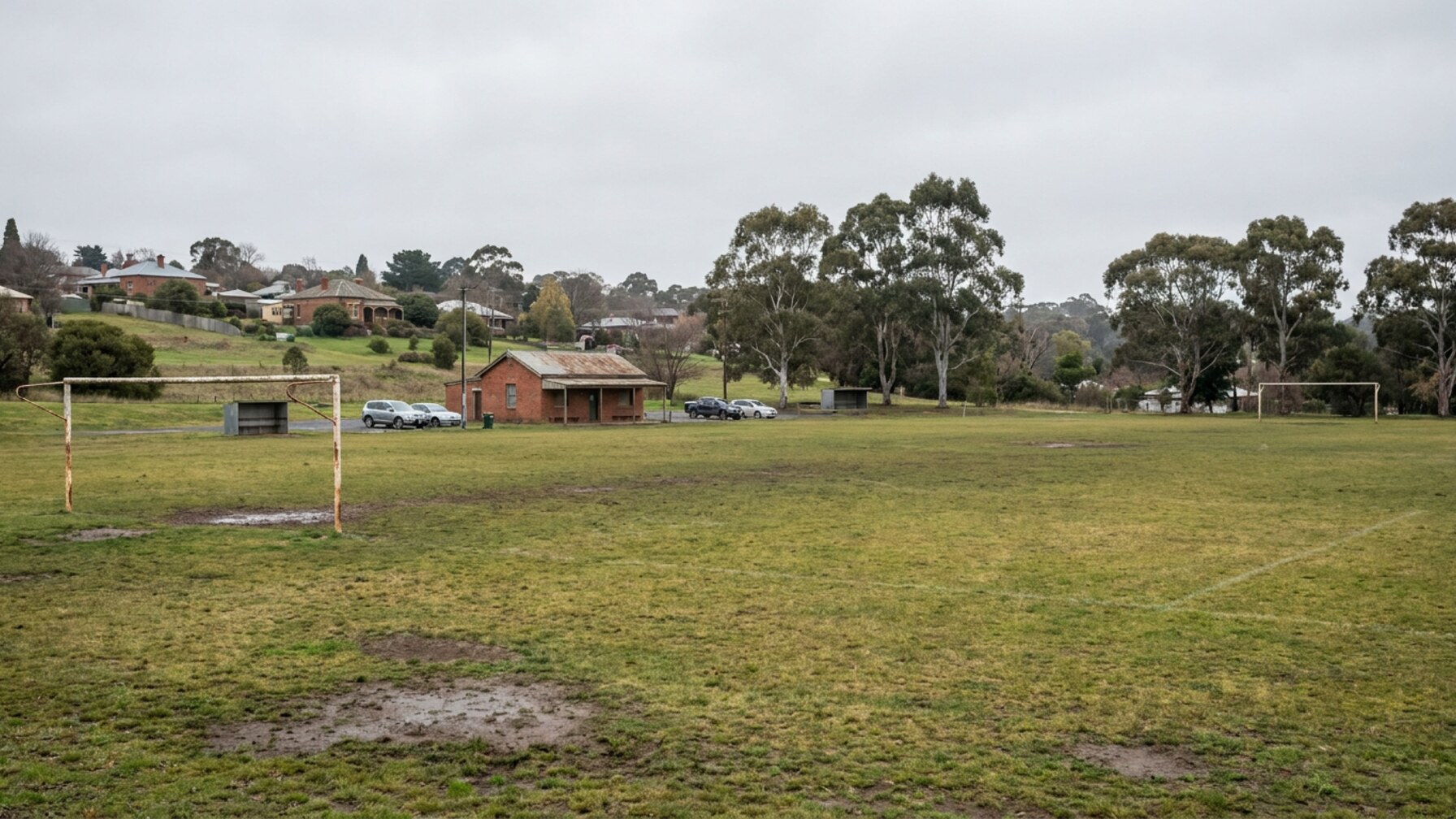
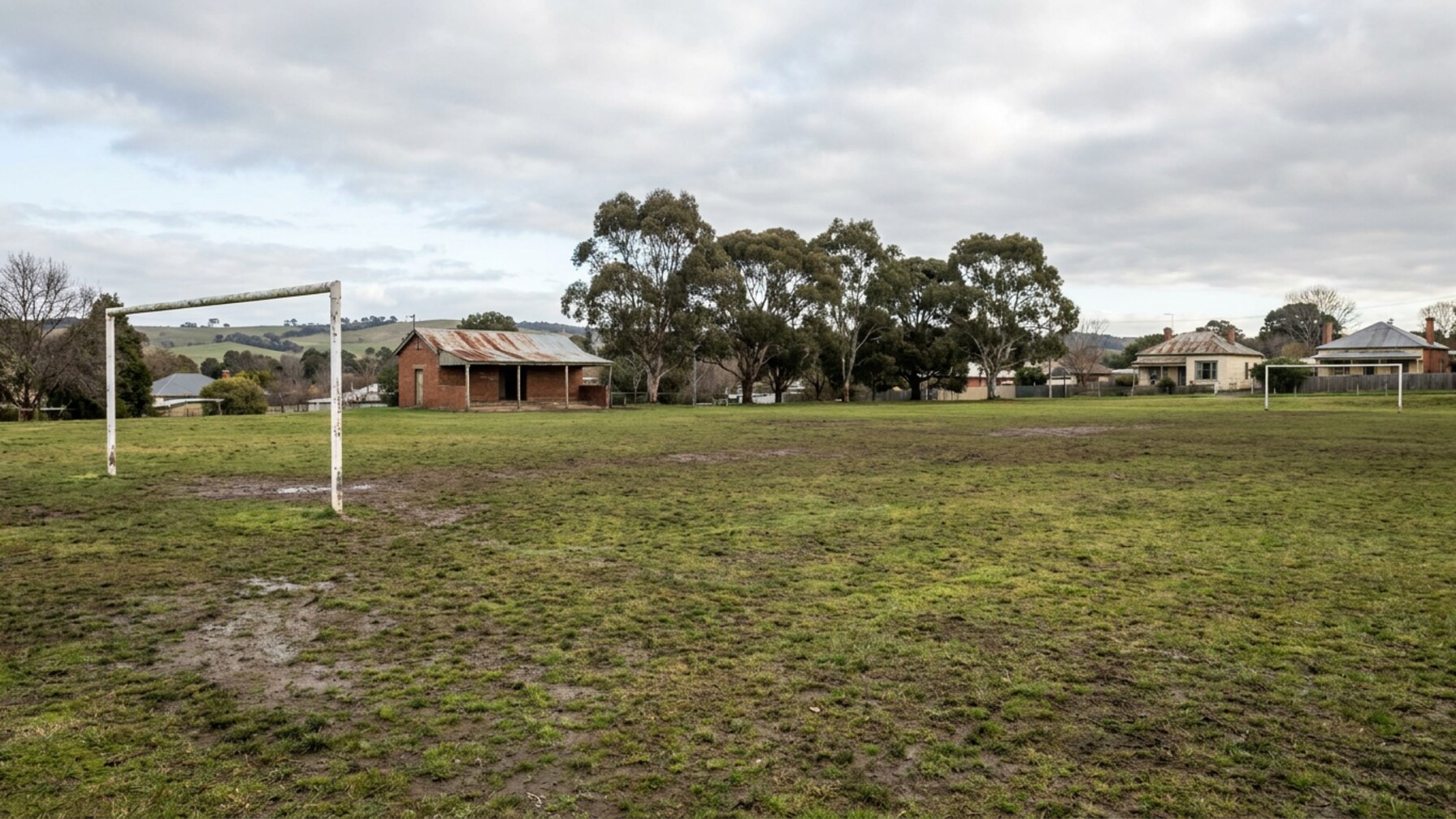
Ballarat’s amateur sport leagues are drawing record numbers this season, with participation in the Ballarat Football & Netball League (BFNL) rising 12 per cent year-on-year, according to league officials. But the numbers tell only half the story. The real narrative is unfolding on dusty ovals in Wendouree, Sebastopol, and Lake Wendouree, where volunteers, local businesses, and families are turning sport into a community-wide movement.
The surge has been most visible in the BFNL’s junior divisions, which have added three new teams since February 2026. At the Alfredton Recreation Reserve on Saturday mornings, kids from the Lucas Estate cluster now fill two under-12 sides that didn’t exist two years ago. “It’s not just about winning,” says league registrar Megan O’Reilly. “It’s about giving kids a place to belong after school.” That sentiment echoes across the city’s 14 amateur clubs, where volunteer coaching rosters have grown by 20 per cent since last season.
Ballarat’s grassroots boom mirrors a national trend. The AFL reported last month that community football registrations are up 8 per cent across Victoria, with regional centres like Ballarat leading the charge. Local clubs have tapped into a simple formula: keep costs low and involvement high. At the Sebas Rebels, junior registration fees remain at $150 a season, among the cheapest in the state, thanks to a sponsorship deal with the Sebastopol Hotel and a grant from the City of Ballarat’s Active Communities fund.
The movement extends beyond football. The Ballarat Amateur Basketball Association (BABA) has seen a 15 per cent increase in adult mixed-grade registrations since March, with the Wednesday-night social league at the Mars Stadium courts now fielding 12 teams. Long-time referee Greg Tolson says many participants are first-timers. “People moved here during the pandemic and never left. They’re looking for connection, and sport gives it to them.”
For the BFNL, the challenge now is sustainability. Ground availability is tight, with the City of Ballarat reporting that 70 per cent of weekend oval bookings are already allocated to amateur sport. The league’s operations manager, David Gleeson, acknowledges the pressure. “We’re managing 14 clubs across five venues on a Saturday. It’s a good problem to have, but we need more infrastructure.” The council has budgeted $4.2 million for upgrades to Eureka Stadium and the new Lucas Community Centre, with works scheduled to begin in early 2027.
Standings-wise, the BFNL senior men’s competition is tightly contested. East Point is unbeaten after 10 rounds, while the women’s division is led by defending premiers Melton South. But club officials are quick to point out that ladder positions matter less than what happens off the field. “The real win is seeing 300 people crowd the canteen on a Saturday,” Gleeson says. “That’s where the movement lives.”
For now, Ballarat’s amateur leagues are proof that sport remains a thread pulling the city together. As winter turns to spring, the season will tighten. Clubs will jostle for finals spots. But the grassroots story, of volunteers, sponsors, and families showing up week after week, is already a victory that won’t appear on any ladder.
Sport

Sport

Sport
Sport
Sport
Sport
About this articleBeta
Published by The Daily Ballarat
Spread the word
Daily brief
Free, in your inbox before 7am. Weekdays.
The Daily Network — local news across Australia