Sport
Ballarat’s amateur sports boom tests venues and infrastructure as leagues grow
Rising demand across local clubs is exposing both the strengths and the pinch points in the city's grassroots facilities network.
3 min read
Updated 7 h ago
Sport
Rising demand across local clubs is exposing both the strengths and the pinch points in the city's grassroots facilities network.
3 min read
Updated 7 h ago
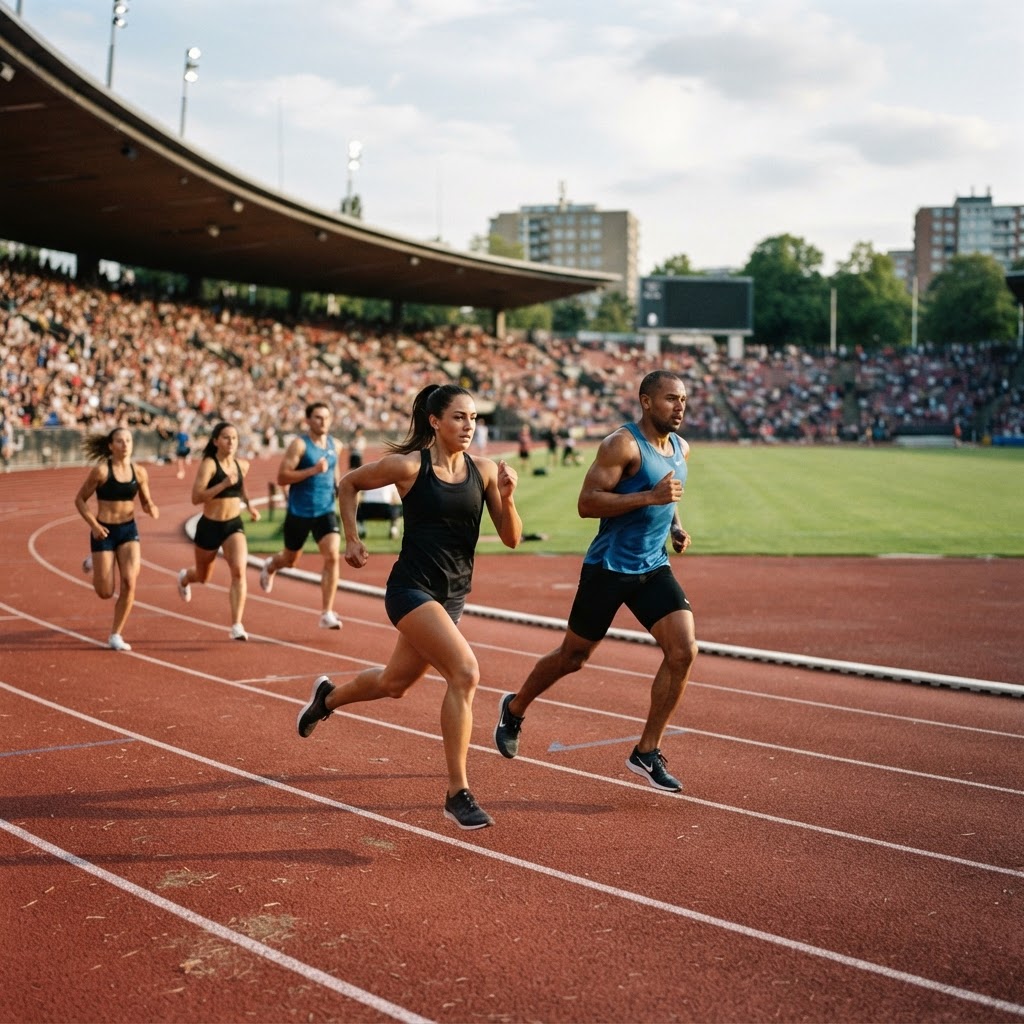
Ballarat's amateur sporting leagues are seeing a surge in participation this winter, placing renewed pressure on venues and infrastructure that have long been the backbone of the local competition. With more teams than ever fielding sides across football, netball, and soccer, the capacity of grounds like Eureka Stadium, Mars Stadium, and the Ballarat Regional Soccer Facility is being stretched like never before.
City of Ballarat officials confirmed last week that the number of registered amateur teams has risen 12 percent year-on-year, a trend mirrored in similar regional centres. But the spike isn't just a numbers game, it's a test of whether the city's network of ovals, pavilions, and change rooms can keep pace with the demand. The issue has become a talking point at council meetings and club AGMs across the region.
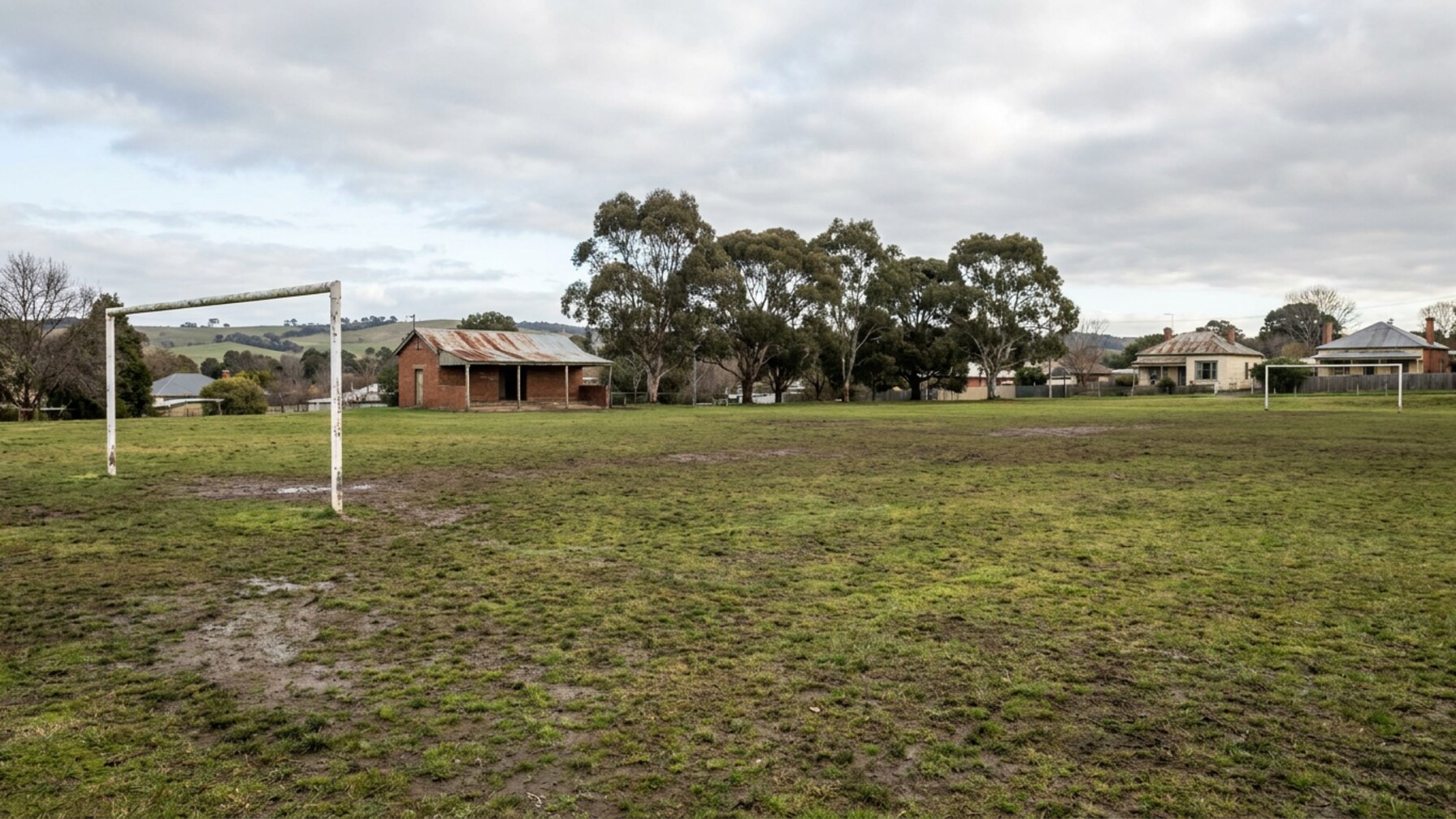
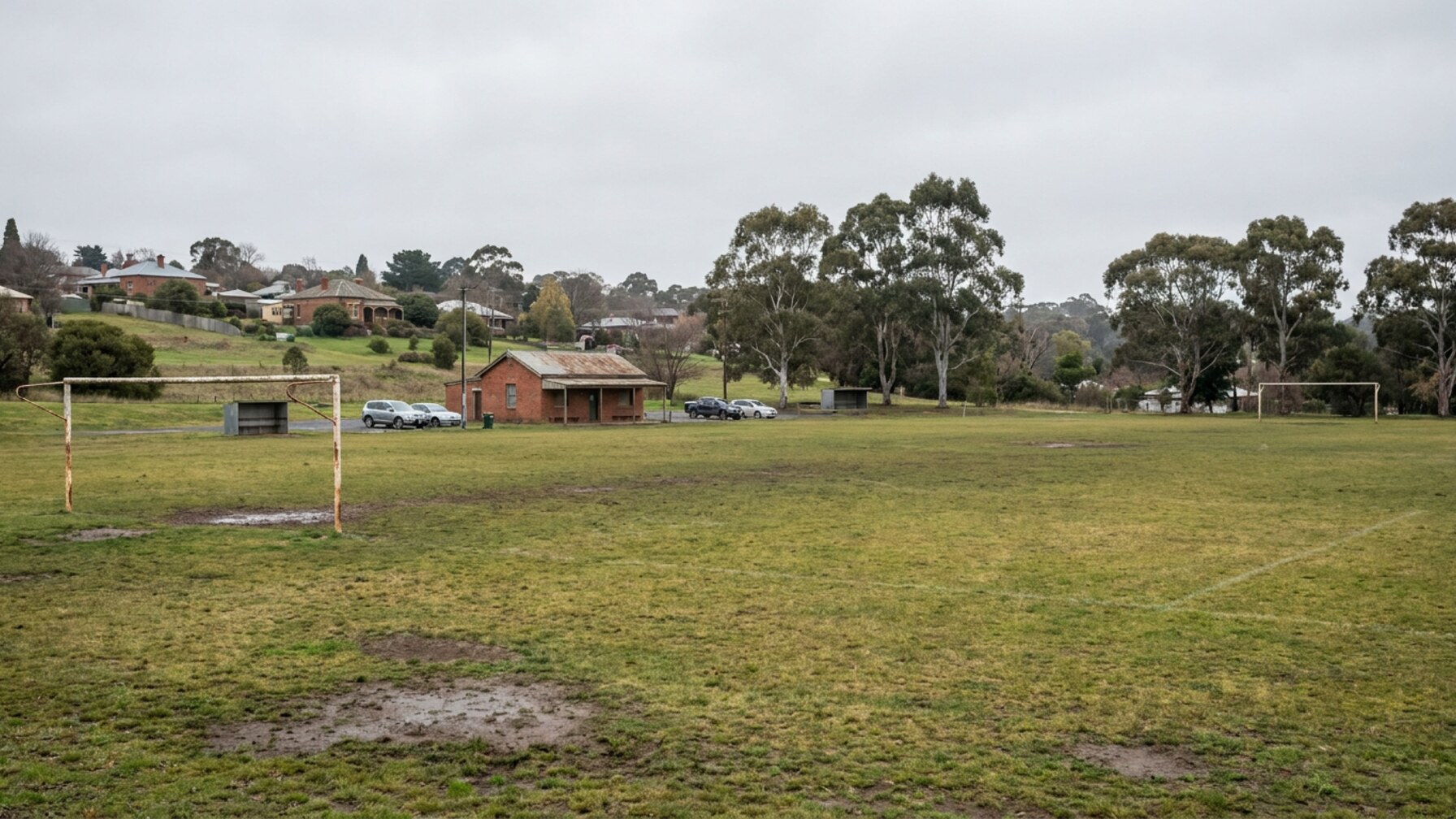
The most visible strain is showing at Wendouree's Eureka Stadium, home to several local football and netball clubs. With the ground also hosting elite-level matches and training sessions under the Ballarat Football League, scheduling conflicts have become common. Club volunteers report midweek training allocations being cut or shifted to secondary ovals like the Alfredton Recreation Reserve, which lacks covered seating and floodlighting up to standard.
Over at the Ballarat Regional Soccer Facility on Victoria Street, lighting issues forced a round of postponed matches last month. The facility, opened in 2019 with four pitches and a pavilion, now hosts more than 45 junior and senior teams, up from 30 in 2022. Representatives from the Ballarat & District Soccer Association say the facility needs additional floodlight poles and a second all-weather surface to handle the load. No funding announcement has been made yet, but a council feasibility study is expected to be tabled in October.
A similar story is unfolding at the Ballarat Netball Centre, where four indoor and eight outdoor courts are shared among 12 associations. The centre’s sister facility, the Wendouree Sports and Events Centre, has absorbed overflow for weekend fixtures, but its wooden floor limits its use for training midweek when wet weather forces outdoor sessions indoors.
The City of Ballarat's 10-year Sport and Recreation Infrastructure Plan, last updated in 2024, identifies $8.2 million in priority upgrades across amateur venues. But only $1.4 million has been allocated in the current budget cycle, leaving a funding gap that clubs say they cannot close on their own. A community petition circulated by the Ballarat Football League earlier this year collected more than 3,200 signatures calling for faster investment in change rooms and female-friendly facilities.
No specific timeline for new projects has been set, but council representatives have indicated that a revised master plan for the Ballarat Regional Soccer Facility will be presented for public comment in November 2026. Meanwhile, clubs continue to manage with temporary solutions, shared changerooms, portable lighting towers, and borrowed equipment.
For now, the Ballarat amateur season rolls on, powered by volunteer commitment and a love for the game. But the infrastructure question isn't going away. Whether the city can deliver the venues its growing leagues need will determine how many teams can take the field next winter.
Sport

Sport
Sport
Sport
Sport

Sport
About this articleBeta
Published by The Daily Ballarat
Spread the word
Daily brief
Free, in your inbox before 7am. Weekdays.
The Daily Network — local news across Australia