Forget the World Cup semifinals and Wimbledon finals. In Ballarat’s amateur football and netball leagues, the biggest story this season isn’t about premiership points-it’s about how local clubs are turning participation figures into neighbourhood resilience.
While major codes chase broadcast deals and expansion plans-FIFA president Gianni Infantino this week floated a 64-team World Cup and the USMNT already projects its 2030 roster-Ballarat’s grassroots clubs are quietly rebuilding after years of volunteer burnout and post‑pandemic membership swings. The reason this matters now: junior registrations in several local leagues have stabilised for the first time since COVID, and club officials say the social glue of amateur sport is proving as valuable as the scoreboard.
From survival mode to community anchor
Ballarat West Netball Club, which runs teams out of the Ballarat Sports and Events Centre on Dowling Street, has bucked a state‑wide trend of declining volunteer numbers. Club secretary Sarah Collins said the club’s “buddy system”-pairing experienced parents with newcomers-has kept sideline roles filled for all seven junior grades this season. “We’re not a powerhouse on the ladder, but we have a waiting list for under‑12s,” Collins said. “That’s a win.”
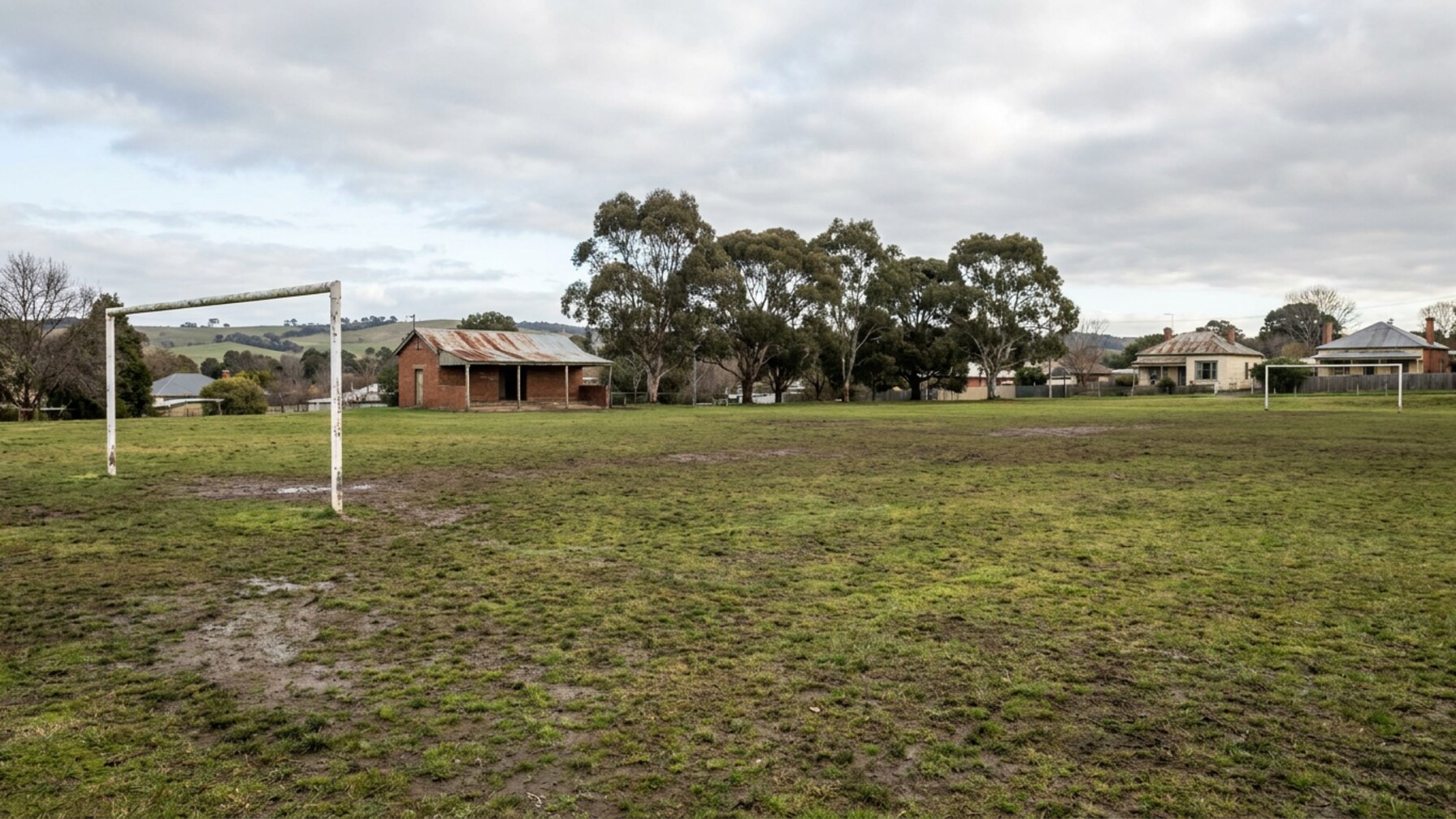
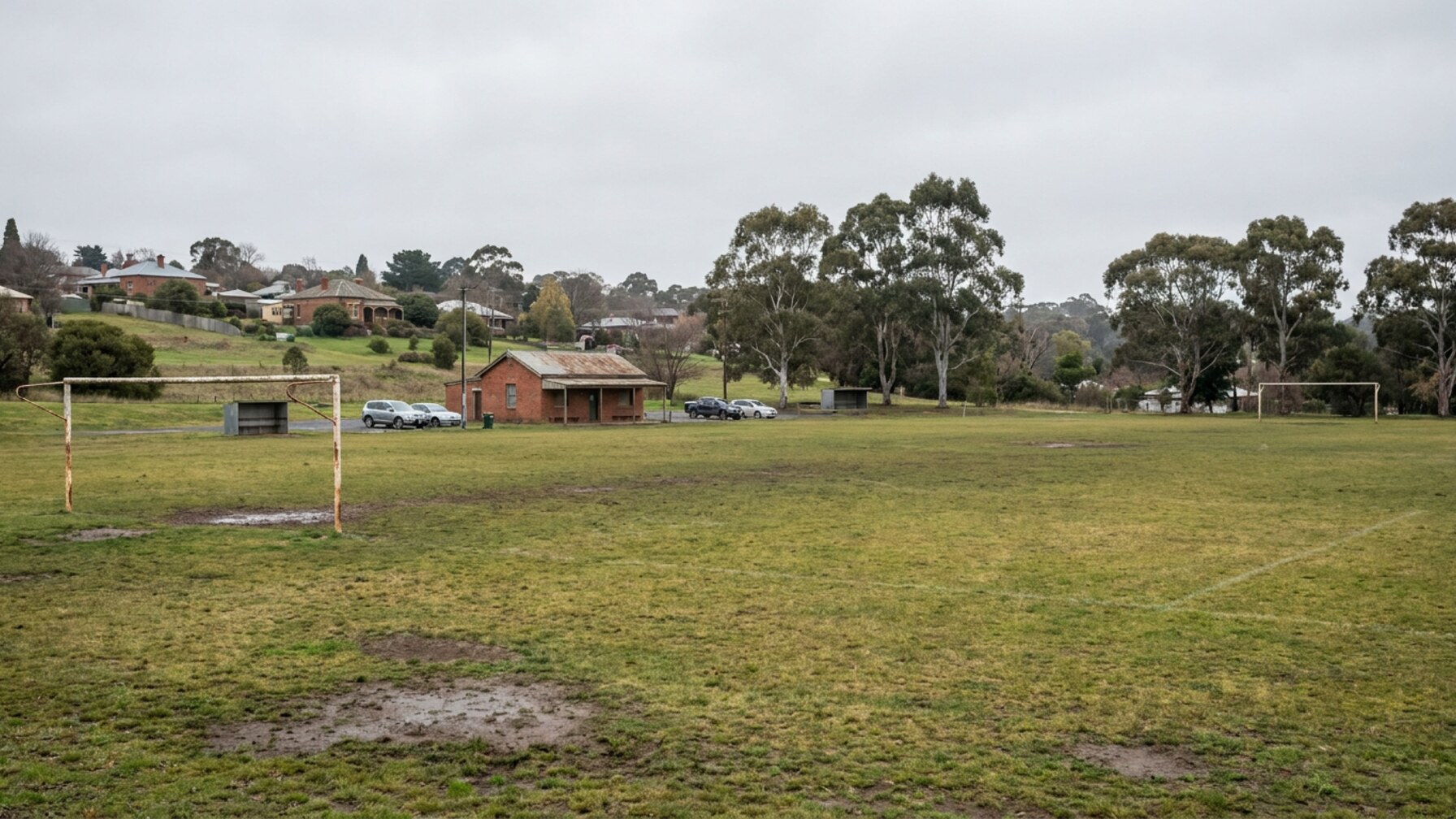
Over at Eureka Football Club, based at Doug Dean Reserve on Creswick Road, president Mark Turner reported that the senior men’s team is sitting mid‑table in the Ballarat Football League’s second division, but the club’s “Friday Night Lights” social touch‑footy program launched in March has drawn 45 participants weekly-many of them parents who had never set foot on a club oval. “The competition is great, but retention comes from the barbecue after the game, not the final score,” Turner said.
Small fields, big returns
Across Ballarat, the story repeats. Sebastopol Cricket Club, which also fields summer netball sides, launched a “Mums and Bubs” walking netball session at the Sebastopol Recreation Reserve on Albert Street. The program attracted 23 participants in its first five weeks, according to club minutes reviewed by The Daily Ballarat.
Qualitatively, the evidence points to a deliberate shift: clubs are measuring success by how many volunteers return season after season, rather than by ladder position alone. The Ballarat Amateur Sports Council’s annual survey-circulated to 34 local clubs in March-found that 81 percent of respondents cited “community connection” as their primary mission, ahead of “competitive success” at 12 percent.
The trend mirrors a broader observation in sport administration: when the AFL’s GWS Giants demonstrated last weekend that they are “capable of a deep finals run”, the analysis noted that elite clubs also depend on grassroots feeder networks. In Ballarat, those networks are thickening through house‑league nights, mental‑health round partnerships with Ballarat Community Health, and shared canteen rosters that cut across club rivalries.
Clubs now face the practical question of how to sustain this momentum as winter turns to spring. The Ballarat Football League’s finals series kicks off in late August, but several clubs have already scheduled “come‑and‑try” mornings for August 15 and 22 at Wendouree Reserve and the Alfredton Recreation Reserve. Volunteer registration forms have been distributed via the Ballarat Sports Club Network, and club officials say the biggest need is for time‑keepers, boundary umpires, and canteen helpers on grand final day-October 3 this year.
For Ballarat’s amateur leagues, the true standings table may be invisible on match day. It counts the number of families who stay for dinner, the parents who become committee members, and the kids who sign up for next year before the current season ends.