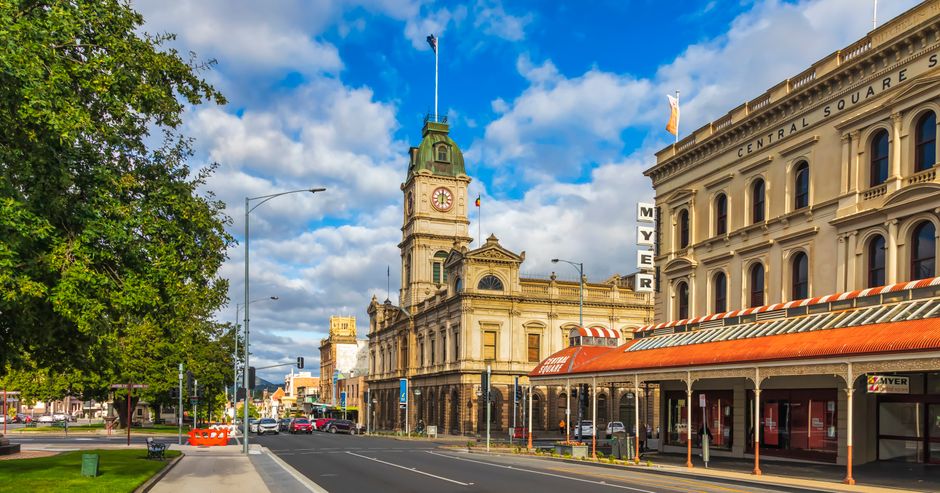
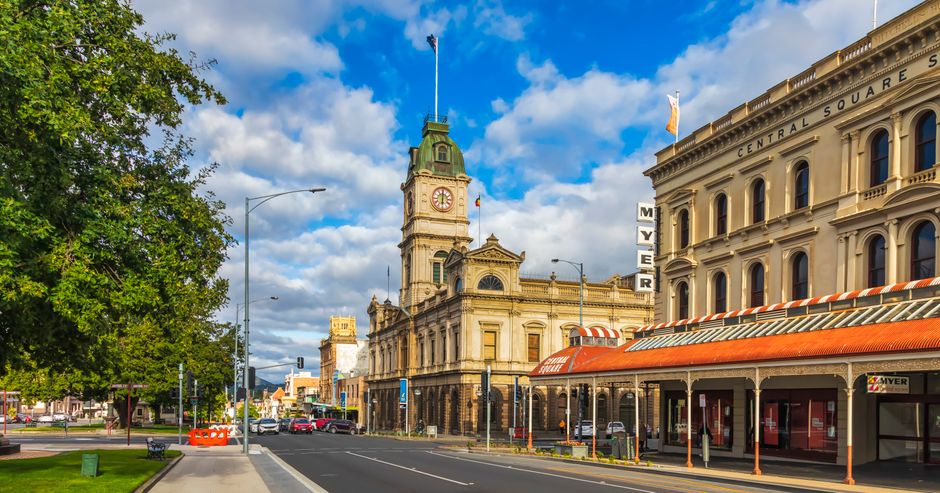
Ballarat is experiencing a significant planning and development shift that could fundamentally reshape how the regional city grows over the next decade. Recent major development approvals have positioned the Alfredton corridor as the epicentre of unprecedented growth, signalling a strategic pivot away from traditional inner-city expansion.
The latest planning approvals include multiple mixed-use developments spanning residential, retail and light industrial sectors across the Alfredton precinct, collectively valued at over $500 million. These projects represent the largest coordinated development pipeline Ballarat has seen in years, and come at a critical moment as Melbourne overflow buyers continue to drive demand for affordable regional alternatives.
"We're seeing genuine investment confidence returning to regional Victoria," says one local property development spokesperson. "Alfredton offers the infrastructure and accessibility that makes sense for families and investors priced out of greater Melbourne."
The timing is significant. With Melbourne's median house price sitting well above Ballarat's $510,000 median, and development constraints tightening across Victoria, the Alfredton growth corridor represents compelling value. Early-stage developments in the precinct are already attracting pre-construction interest, with townhouse and apartment complexes launching at price points 30-40 per cent below comparable Melbourne suburbs.
Complementing the Alfredton momentum, planners are also fast-tracking heritage precinct activations around Lake Wendouree, where premium residential developments continue to command significant premiums. Recent sales in the lakeside corridor have exceeded $650,000, reflecting the ongoing appeal of established, lifestyle-focused locations.
However, the development surge presents both opportunities and challenges. Infrastructure capacity—particularly around transport, schools and utilities—will be critical to managing the projected population growth. Council has flagged consultations on revised planning frameworks to ensure development quality keeps pace with quantity.
"These approvals don't happen in isolation," local urban planners note. "The real question now is whether supporting infrastructure keeps up with housing supply. That's what separates successful growth from sprawl."
For investors and homebuyers, the Alfredton corridor represents a narrowing window of opportunity before price appreciation accelerates further. Current entry points for established homes in adjacent suburbs remain sub-$500,000, while the precinct's new supply won't reach market until 2026-27.
As Victoria grapples with a decade-low new home construction rate statewide, Ballarat's development momentum positions the city as one of regional Australia's most dynamic property markets—a status that's likely to attract further investment and attention from buyers seeking value with growth potential.
This article was compiled by AI from the sources linked above and screened before publishing. See our editorial standards.