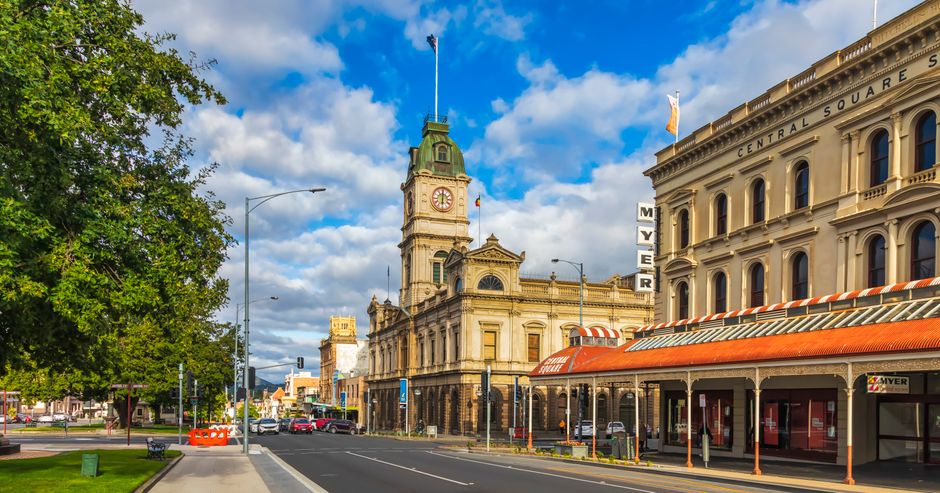
Five years ago, East Ballarat was overlooked. Today, it's quietly gentrifying—and young professionals are taking notice.
The pocket spanning Sebastopol, Nerrina and parts of Alfredton has emerged as Ballarat's unexpected hotspot for first-time buyers and young families fleeing Melbourne's outer sprawl. While the city's median sits around $510,000, savvy purchasers are finding character-filled weatherboards and period cottages in these eastern corridors for $420,000–$480,000—a gap that's reshaping the demographic of entire streets.
"We're seeing a shift," says one local agent who tracks the corridor. Properties that languished on market for months in 2022 now attract multiple offers within weeks. On Orchard Street in Sebastopol, a modest 1920s cottage sold for $465,000 in March; eighteen months earlier, a comparable property shifted for $380,000.
The appeal runs deeper than price. East Ballarat's tree-lined avenues, proximity to Ballarat CBD and Lake Wendouree's recreational pull offer lifestyle value that distant Melbourne exurbs simply don't. Alfredton's designated growth corridor status has also triggered infrastructure investment—improved public transport links, new mixed-use precincts, and a steady stream of independent cafés and boutique retailers along Sturt Street.
For Melbourne overflow buyers, the numbers work. A young couple earning combined household income of $150,000 who couldn't serviceably bid on a $700,000+ property in Werribee or Melton can now secure a renovated period home here with genuine walking-distance amenities: Spring Street Reserve, quality schools, and the emerging food scene around Ballarat's central precinct.
The gentrification carries typical markers. Instagram-worthy café openings, young families visible at weekend farmers markets, property styling blogs documenting renovation projects—it's a gentler version of Melbourne's inner-ring transformation, but unmistakably following the same trajectory.
Not everyone celebrates the shift. Long-time residents note rising rents and a changing character, though Ballarat's broader affordability compared to Melbourne keeps frustration tempered. Heritage listings in East Ballarat also constrain rapid overdevelopment, preserving the streetscapes that attracted this cohort in the first place.
The question now is sustainability. If East Ballarat prices accelerate toward $550,000–$600,000 within three years—still plausible given current momentum—the young professional pool it's chasing will simply migrate further west. For now, though, this pocket represents genuine opportunity for buyers seeking affordability, character and community outside the Melbourne sprawl.
This article was compiled by AI from the sources linked above and screened before publishing. See our editorial standards.