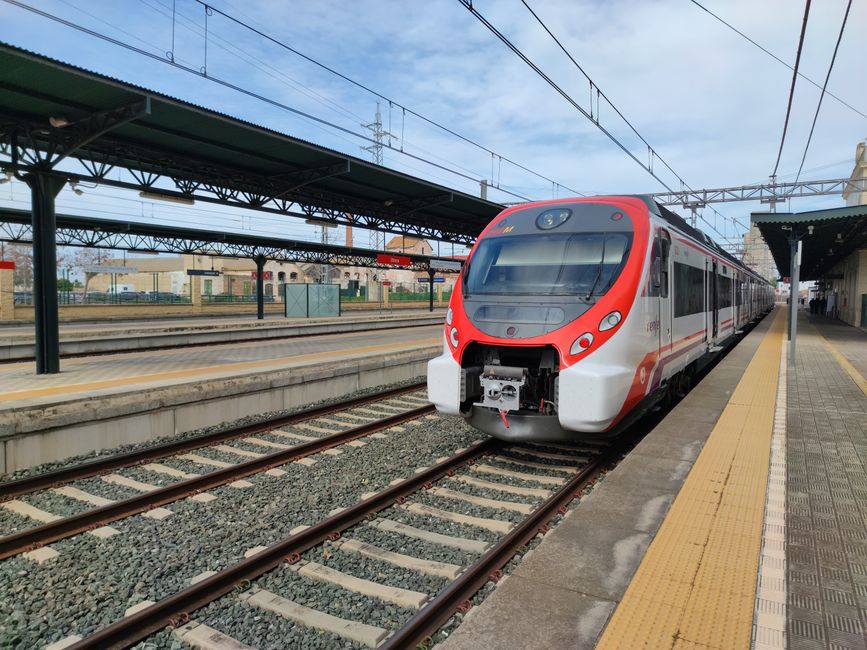
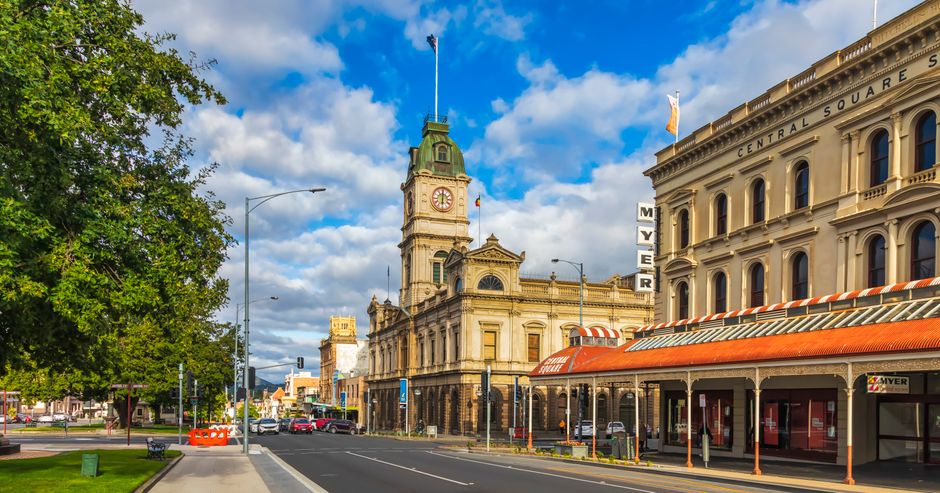
Delacombe is no longer a commuter's afterthought. With the state government's commitment to upgrade the Ballarat-to-Ararat rail line—including a new commuter station at Delacombe—property developers and buyers are treating the suburb as Ballarat's next frontier for affordable family homes within striking distance of Melbourne.
The $45 million transport infrastructure project, due for completion by late 2027, will cut commute times from Delacombe to Melbourne's CBD to under 90 minutes. For buyers priced out of Alfredton (where median values now hover near $520,000) and inner suburbs like Herne Hill, the prospect of a modern, accessible train station is reshaping settlement patterns across the western growth corridor.
Current median property values in Delacombe sit around $395,000—a $115,000 discount to the Ballarat median of $510,000—making it an obvious drawcard for Melbourne overflow buyers and first-home owners stretching their First Home Owners Grant eligibility. Real estate agents report enquiries from outer-Melbourne suburbs have already spiked by 30 per cent in the past quarter.
"The station changes everything," says one local agent, speaking on condition of anonymity ahead of major launches. "Families can buy a modern four-bedroom here for what they'd pay for a two-bedroom unit in Footscray. And now they've got a direct rail link to the city."
Delacombe's appeal extends beyond affordability. The suburb borders the Delacombe Racecourse Reserve, a 180-hectare recreation zone with walking trails and sporting facilities that rival anything in established dormitory suburbs. New arterial roads—including extensions to Geelong Road and improved connections to Ripon Street—will feed the precinct with local traffic and retail activity.
The rail upgrade also unlocks long-stalled development sites along the corridor. Three major subdivision applications, totalling more than 140 residential lots, are at planning stage and expected to clear approval by early 2027—timed perfectly to capture momentum from the station opening.
However, the transformation isn't without risk. Infrastructure strain—schooling, health services, and local retail—will need to keep pace with the expected 15 per cent population increase over the next five years. The Ballarat City Council has flagged $28 million in supporting community infrastructure investment.
For property investors and owner-occupiers, though, the equation is simple: buy now before the station opens, or miss the entry point to Ballarat's fastest-growing commuter corridor.
This article was compiled by AI from the sources linked above and screened before publishing. See our editorial standards.