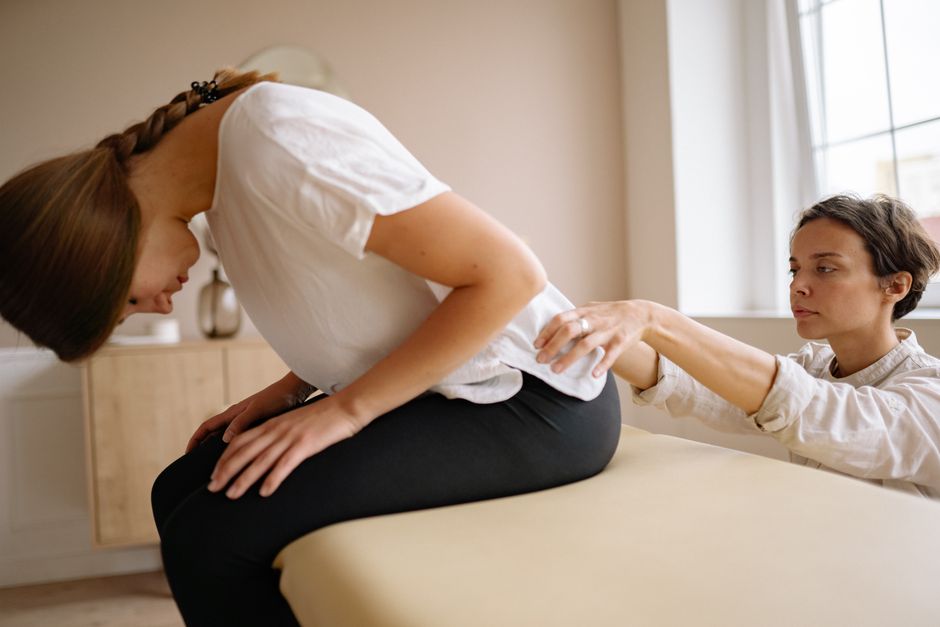
The weeks and months following childbirth bring profound physical and emotional changes. For Ballarat mothers, navigating postpartum recovery—whether after vaginal delivery or caesarean section—often means balancing rest, movement, and mental health while adjusting to life with a newborn.
Physical recovery is just the beginning. The pelvic floor, abdominal muscles, and cardiovascular system all need time to heal. Most health professionals recommend waiting six to eight weeks before resuming structured exercise, though gentle movement earlier can support circulation and mood. Local GP clinics across Ballarat—including those in Wendouree and Delacombe—can provide personalised guidance on safe return-to-activity timelines.
Emotional wellbeing is equally critical. Postpartum anxiety and depression affect up to one in seven new mothers, yet many experience shame or hesitation seeking help. Ballarat Health Services offers free postnatal support through its maternal health clinics, with services available across multiple locations. Speaking with a local health professional early can make significant difference in recovery outcomes.
For those keen to rebuild fitness gradually, Ballarat's natural environment offers accessible options. The Ballarat Botanical Gardens lakeside walk provides gentle terrain for building strength without impact, while the Rail Trail—stretching across the region—suits walking and light cycling as recovery progresses. These low-impact options support both cardiovascular health and mental clarity.
Practical support matters enormously. Beyond medical care, many Ballarat mothers benefit from community connections: playgroups in suburbs like Alfredton and Redan, local lactation consultant services (typically $50–$100 per session), and peer support groups through Ballarat Health Services. These resources address the emotional isolation many new parents experience.
Sleep deprivation and hormonal shifts amplify emotional vulnerability. Building a recovery routine—whether that's ten minutes of quiet time on the porch overlooking the gardens, a short walk, or breathing exercises—supports mental resilience during a challenging transition.
Recovery is not linear. Some days will feel stronger than others. Recognising when to rest, when to gently move, and when to reach out for support—emotional, physical, or practical—forms the foundation of healthy postpartum healing.
If you're navigating postpartum recovery, consult your local GP or Ballarat Health Services maternal health team. They can assess your individual needs and connect you with appropriate services across our community.
This article was compiled by AI from the sources linked above and screened before publishing. See our editorial standards.