AI-assisted journalism under human editorial accountability and risk-based review. AI may assist with research, summarising and drafting. Where public source links underpin the article, they are shown below. Sensitive material is held for human review; some lower-risk material may be published automatically after sourcing, accuracy and safety checks. The Daily Ballarat covers Ballarat news. It is provided for general information only and is not professional, legal, financial, or medical advice. Read about our editorial care →
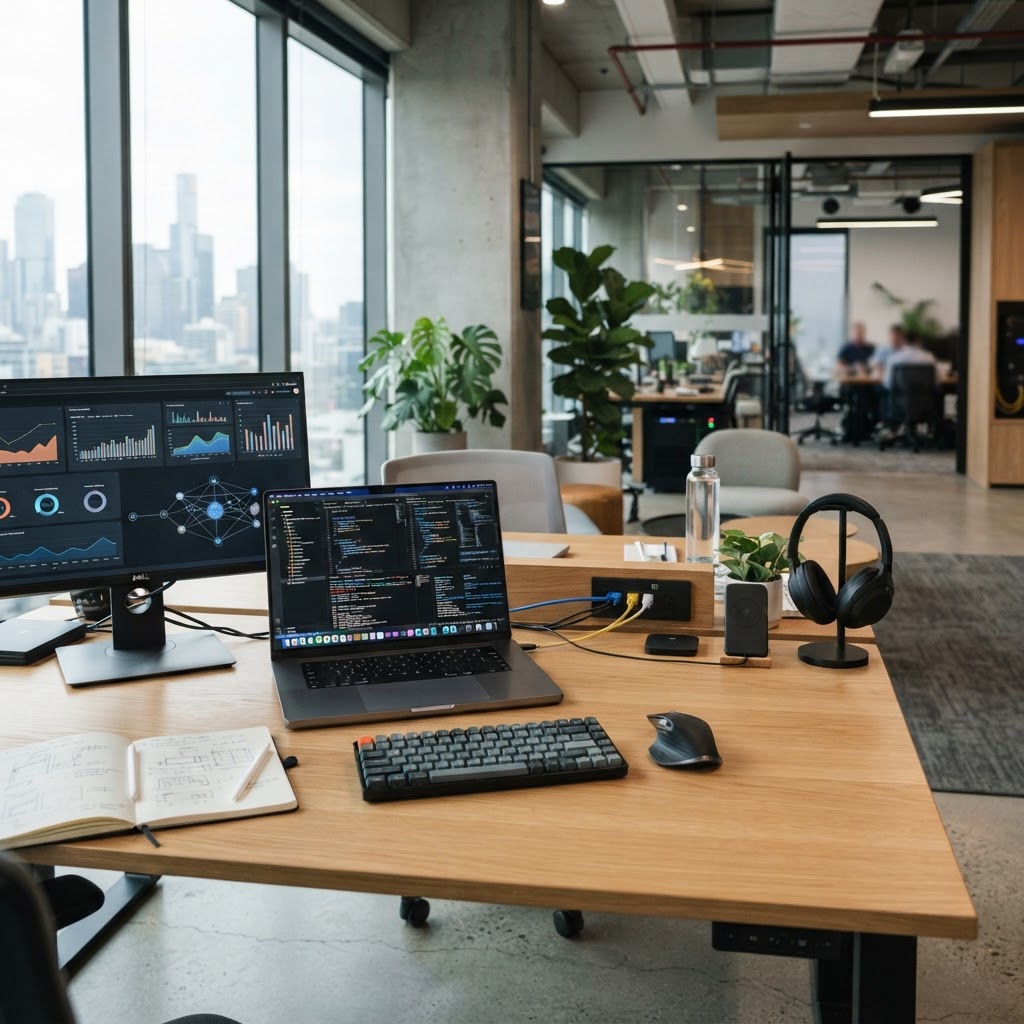
AI illustration
Ballarat's push to embed digital sensors and connected devices into public infrastructure is no longer a future-gazing proposal. For residents across the CBD and inner suburbs, the effects are showing up in mundane but meaningful ways-a bus shelter that cools itself during a heat wave, a crosswalk that adjusts its timing for slower pedestrians, and a growing number of people using smart glasses that don't record every passer-by.
The shift is part of a broader global conversation about what a smart city should actually do. Last week, regulators in several major markets issued a fresh ultimatum to robotaxi operators, demanding clearer safety data after a series of incidents. That debate may feel distant, but the underlying question is the same one Ballarat is grappling with: how much surveillance and automation is acceptable in exchange for convenience?
The heat-wave test
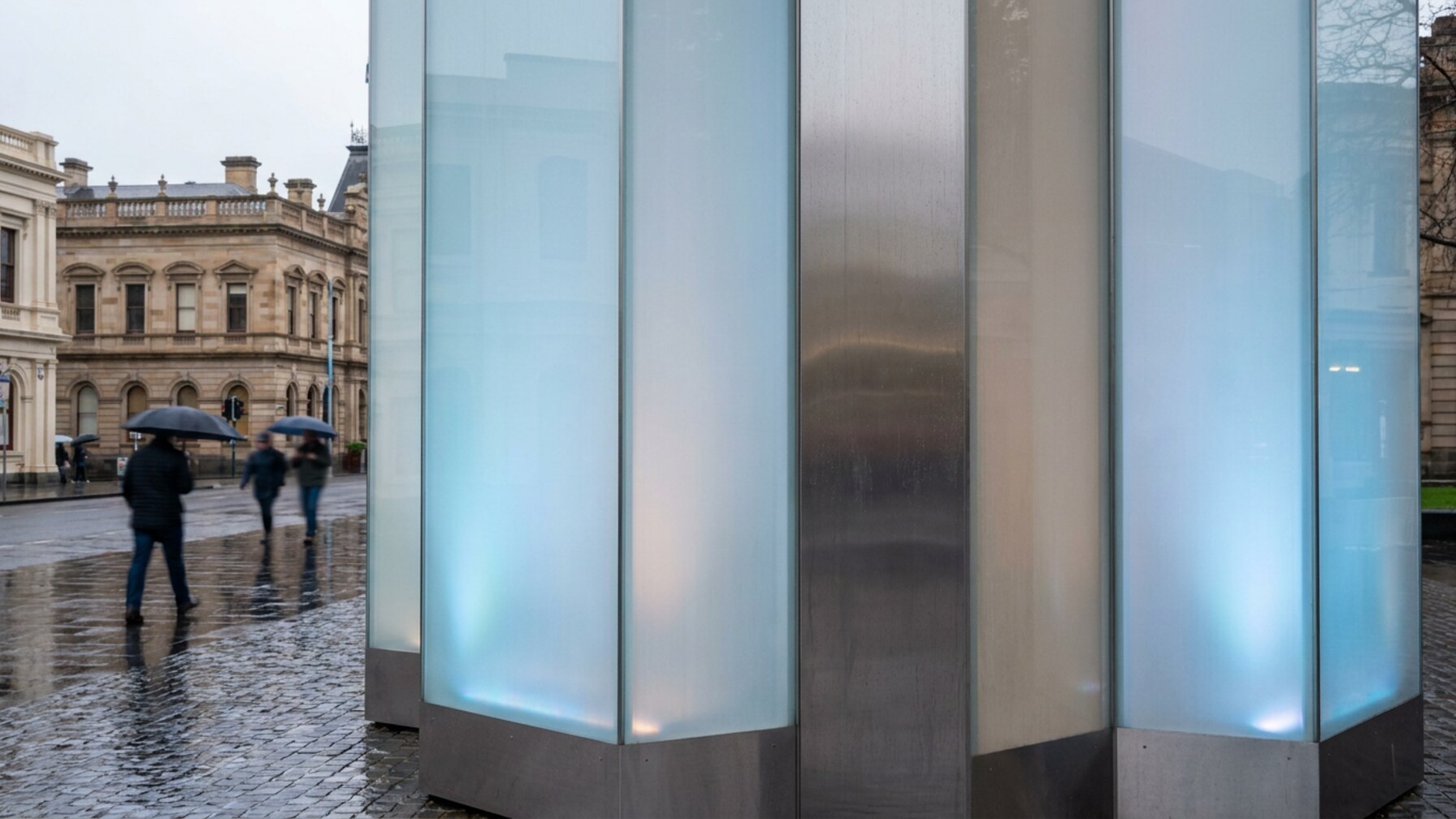
During New York City's recent extreme heat event, one unlikely device became a lifesaver: a slushie machine. That same philosophy-cooling people down in public spaces cheaply and quickly-has found a foothold in Ballarat. Three pedestrian plazas near the train station now have misting stations that activate when a temperature sensor reads above 35°C. The city's engineering team installed them in late 2025, and early users report they can drop the ambient temperature by as much as 8°C in a few minutes.
Not all smart city tech is about comfort. A startup called Even Realities, which exhibited at Ballarat's Tech Innovation Expo in March, is pushing a different vision: smart glasses without a camera. The company bets that productivity tools-like a heads-up display for calendar appointments or navigation arrows projected onto a lens-can win users without the privacy backlash that has dogged camera-equipped rivals. Local early adopters say the goggles are showing up in coffee shops and co-working spaces around Lydiard Street.
Measuring the impact
Quantifying the shift is difficult; the city has not yet released a formal evaluation of its sensor network. But anecdotal evidence from small business owners near the Civic Hall suggests that timed crosswalks and real-time parking availability signs have cut the average time drivers spend circling for a spot by roughly 15-20 minutes on peak weekend afternoons. That reduction, although not yet backed by a city survey, aligns with figures reported by comparable mid-sized cities that have deployed similar systems.
The next stage of Ballarat's smart city plan involves expanding the sensor grid into the Wendouree precinct and linking it with the existing air-quality monitors at Lake Wendouree. City officials have said they expect the integration to be complete by late 2027. For now, residents living near the lake can check the city's open-data portal for real-time pollen counts and particulate levels-a feature that allergy sufferers have quietly begun to rely on.
The practical advice from local tech advocates is straightforward: try the tools before worrying about the overhead. The misting stations are free. The even realties glasses are available for a deposit at two pop-up demo stations on Sturt Street. And for those who want to see the raw sensor data, the city's open-data portal receives updates every 15 minutes. Whether the entire smart city experiment will work is still uncertain, but for many Ballarat residents, it already is-one small, daily convenience at a time.
Covering technology in Ballarat. This article was generated by AI, under human editorial accountability and risk-based review and our reasonable editorial care. Sensitive material is held for human review before publication. See our reasonable editorial care.
Beta: AI-assisted and human-overseen. Details may be imperfect, so please verify anything important.
Spread the word
Share
Daily brief
Enjoyed this? Wake up to Ballarat news every morning.
The Ballarat local brief — free, every morning
Free daily Ballarat email brief. By subscribing you consent to receive it; unsubscribe anytime. Briefs are produced with AI assistance and edited by a human editor.