AI-assisted journalism under human editorial accountability and risk-based review. AI may assist with research, summarising and drafting. Where public source links underpin the article, they are shown below. Sensitive material is held for human review; some lower-risk material may be published automatically after sourcing, accuracy and safety checks. The Daily Ballarat covers Ballarat news. It is provided for general information only and is not professional, legal, financial, or medical advice. Read about our editorial care →
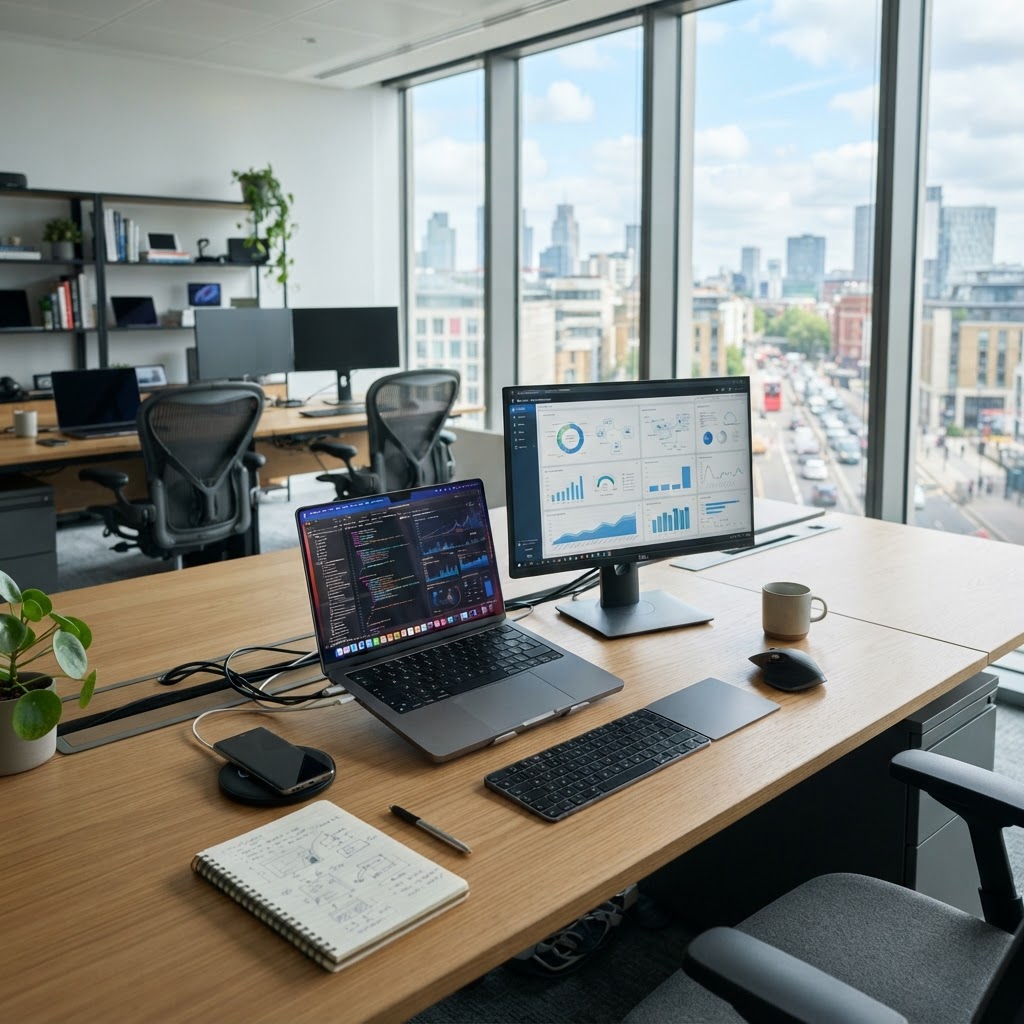
AI illustration
Ballarat residents are beginning to feel the effects of green technology in their daily routines, even if they do not always see the wires and sensors behind the shift. On a single block of Sturt Street, three households now rely on a neighbourhood battery system that stores rooftop solar power during the day and releases it after sunset, allowing those families to run their evening appliances entirely on stored renewable energy. The system, installed in early 2025 by a local co-operative, covers 12 homes and is already being expanded to a second cluster in the Sebastopol area.
The change matters because Australian electricity prices rose another 8.5 percent in the first quarter of 2026, according to the Australian Energy Regulator, and Victorian households face some of the highest network charges in the country. In Ballarat, where winter nights are long and gas heating is common, a technology that shaves peak demand charges can lower a household's quarterly bill by an estimated $220 to $340, based on reports from the co-operative to the City of Ballarat's sustainability committee in May 2026.
Smart meters and smarter compost
Down in the Lucas estate, a trial by the Central Highlands Water authority is using smart metering to tell residents exactly when their garden irrigation is running against the local rainfall forecast. The meters, connected to a free app, have reduced outdoor water use by 16 percent across the 400 participating homes since the program started in September 2025. For residents like those on Learmonth Street, that means watering the veggie patch only when the Bureau of Meteorology's Ballarat station predicts less than 2 mm of rain over the next 48 hours, saving both water and time.
Meanwhile, the city's first community composting hub, launched at the Ballarat East Neighbourhood Centre in March 2026, now processes about 180 kilograms of kitchen scraps each week. The hub uses an electric aerator that runs on a small solar panel fixed to the shed roof, meaning the operation produces zero grid-electricity emissions. Volunteers weigh every bin dropped off; the monthly total hit 780 kilograms in June 2026, enough to keep roughly 1.2 tonnes of organic waste out of the Smythesdale landfill.
What happens next
For residents who want to try any of these technologies, the practical next step is straightforward. The neighbourhood battery co-operative is holding a public information session at the Ballarat Town Hall on the evening of 20 August 2026. The Central Highlands Water smart-meter app is free to download for anyone on town water supply in the municipality, and the composting hub at the Ballarat East Neighbourhood Centre accepts drop-offs every Saturday morning between 9 am and noon. None of these options requires a large upfront investment: the battery co-op operates on a subscription model, and the composting hub provides free starter buckets. The technology is already here; the question for Ballarat is how many households decide to use it.
Covering technology in Ballarat. This article was generated by AI, under human editorial accountability and risk-based review and our reasonable editorial care. Sensitive material is held for human review before publication. See our reasonable editorial care.
Beta: AI-assisted and human-overseen. Details may be imperfect, so please verify anything important.
Spread the word
Share
Daily brief
Enjoyed this? Wake up to Ballarat news every morning.
The Ballarat local brief — free, every morning
Free daily Ballarat email brief. By subscribing you consent to receive it; unsubscribe anytime. Briefs are produced with AI assistance and edited by a human editor.