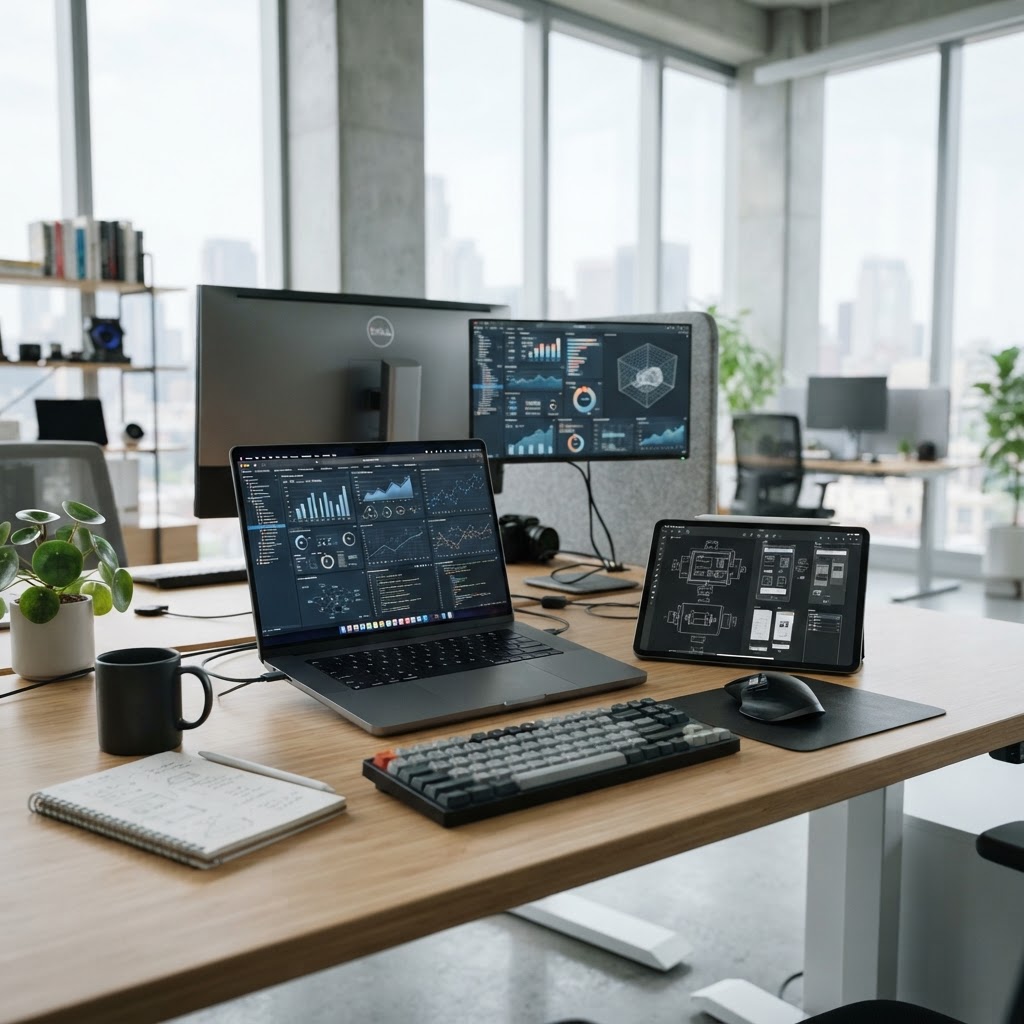
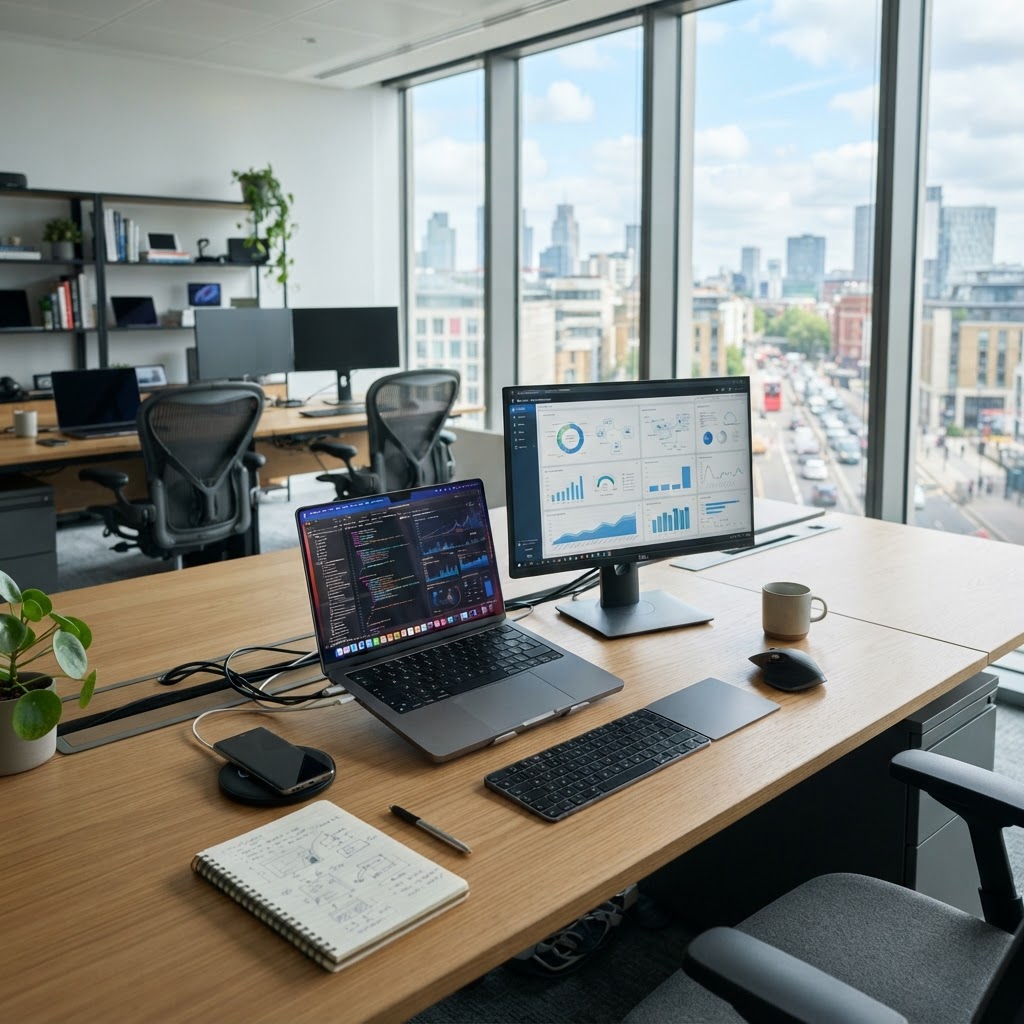
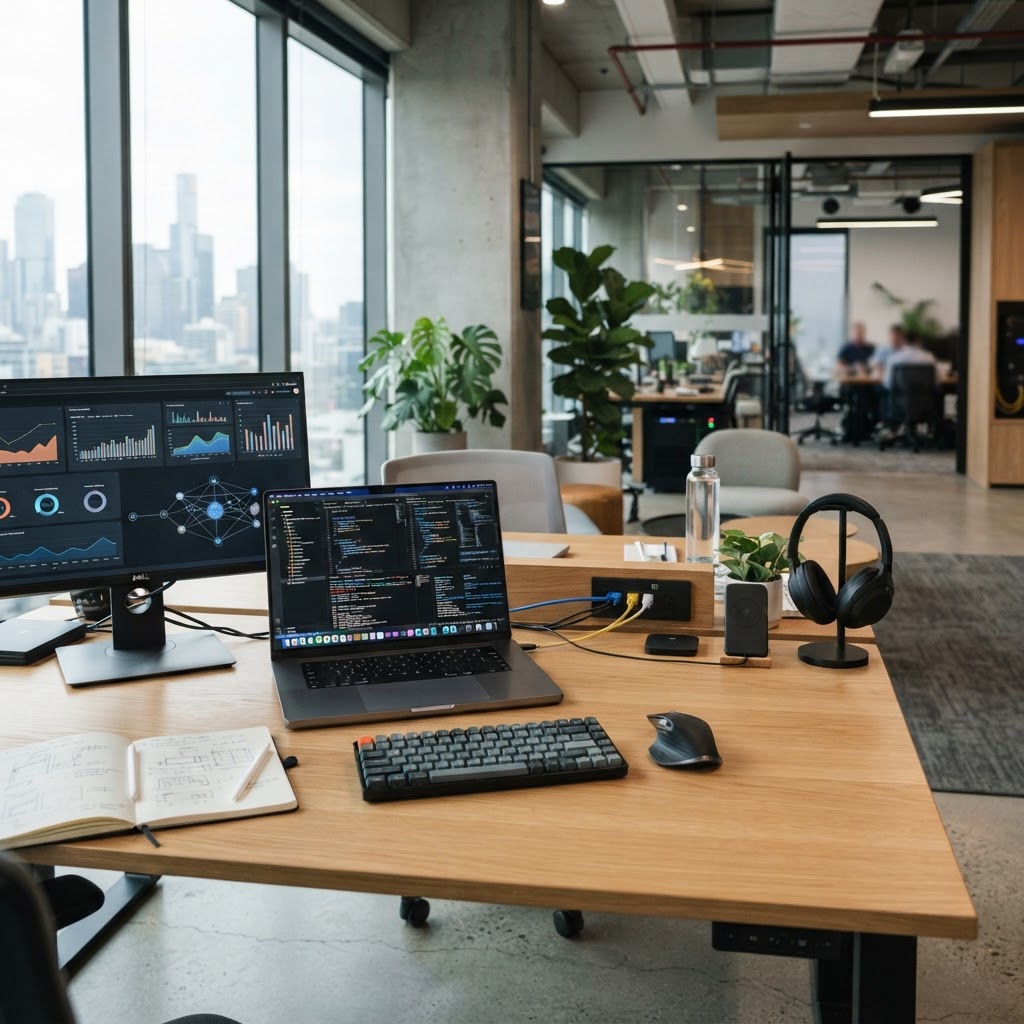
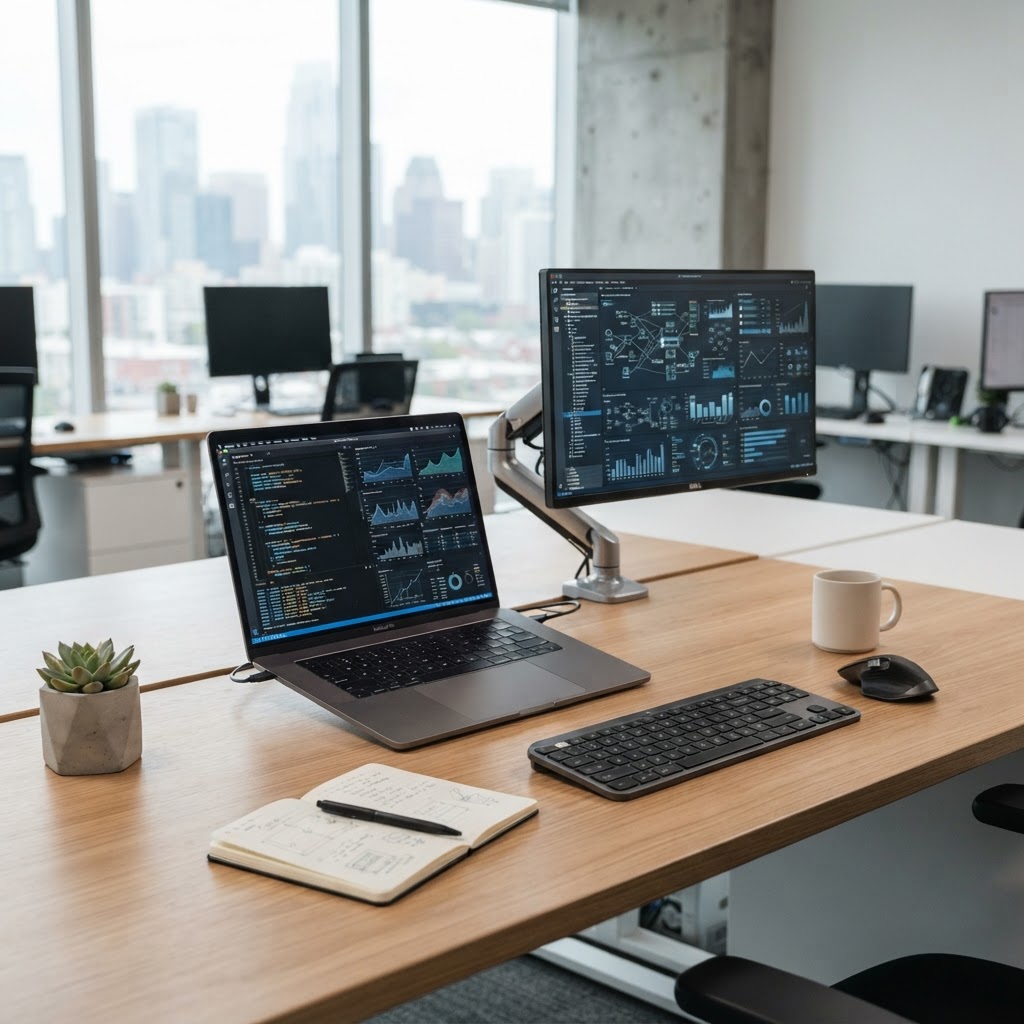
On any given weekday, a handful of software developers at the Ballarat Tech Hub on Armstrong Street North are building the kind of urban operating systems that city councils around the world are now scrambling to buy. They write code for intersection sensors, public-transit analytics and building-energy dashboards, the invisible infrastructure that turns a street grid into a smart city.
The work is timely. Half a world away, regulators delivered what TechCrunch called a robotaxi ultimatum on July 12, signaling that autonomous-vehicle rules are hardening. For the startups in Ballarat, that external pressure means demand for their non-autonomous smart-city products is rising fast, even if the local conversation is still about parking meters and streetlights rather than self-driving cars.
From traffic data to cancer research, a widening portfolio
Four blocks east of the hub, a small team at the Ballarat Innovation Lab on Grenville Street is testing a platform that merges traffic-camera feeds with air-quality monitors. The product, still in beta, is designed to give local governments a single dashboard for congestion, pollution and emergency-vehicle routing. One founder told me the platform has already been pitched to three Victorian councils.
The Lab shares its co-working floor with a health-tech startup whose founder recently drew national attention. In a profile published July 11, Reed Jobs made clear he prefers to talk about curing cancer rather than his last name, a reminder that deep-tech ambitions can flourish far from Sand Hill Road. Ballarat’s version of that story is smaller in scale but similar in spirit: a diagnostics company in the Lab is applying machine learning to pathology slides from regional hospitals.
Meanwhile, a separate startup two doors down is developing smart glasses without a camera, a productivity tool that, as Even Realities demonstrated on July 11, bets that recording everyone is less useful than displaying contextual information in a user’s field of view. The Ballarat team is adapting that principle for warehouse workers, overlaying pick-lists and safety alerts onto standard safety goggles.
Practical heat relief and the limits of tech
Not every smart-city innovation comes with a venture round. During last week’s heat wave, when temperatures in central Ballarat hit 39°C on July 10, a local convenience store on Sturt Street deployed a frozen-slushie machine that became an informal cooling station. The store owner told a reporter the machine served more than 200 cups in a single afternoon, a low-tech solution that underscored how the city’s most urgent climate need isn’t autonomous vehicles but basic heat resilience.
That anecdote matters because it points to the gap between what smart-city pitches promise and what residents actually need. The startups at the Tech Hub and Innovation Lab are working on real problems, but the market is still fragmented. Councils often lack the budget or the technical staff to integrate multiple systems from different vendors.
What happens next depends on whether local government can move faster than the venture-capital cycle. Ballarat City Council’s digital strategy team has held two workshops with Hub founders this year, exploring a joint procurement model that would let several small councils buy smart-city software together. No contract has been signed yet, but the conversations are continuing.
For the entrepreneurs involved, the math is simple. If they can prove their dashboards work in Ballarat, on real streets with real heat waves and real potholes, they will have a reference sale that works in Geelong, Bendigo or even in a global city that just received a robotaxi ultimatum. The next three months, as council budgets are finalised, will show whether those pilots turn into revenue.
About this article●Beta
Published by The Daily Ballarat
Covering technology in Ballarat. This article was generated by AI, under human editorial accountability and risk-based review and our reasonable editorial care. Sensitive material is held for human review before publication. See our reasonable editorial care.
Beta: AI-assisted and human-overseen. Details may be imperfect, so please verify anything important.