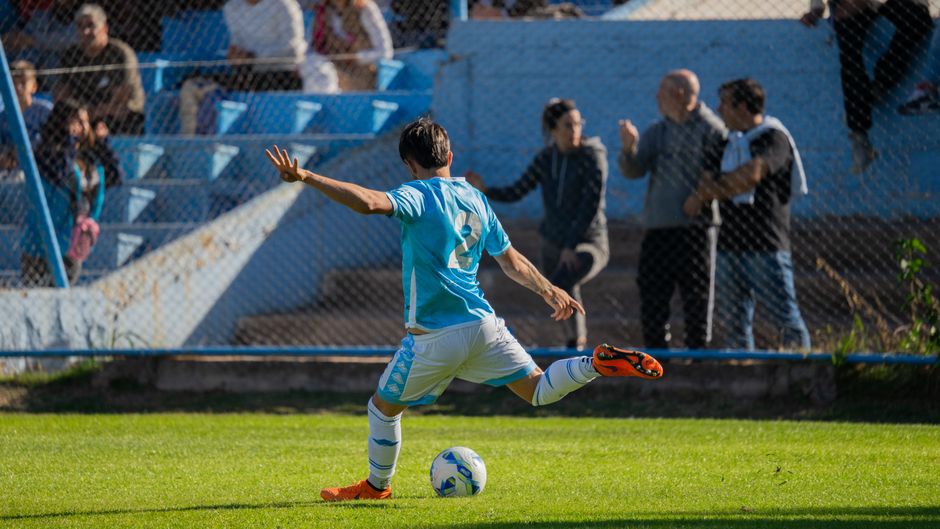
The numbers tell a compelling story about modern Ballarat. Participation in organised soccer across the city has climbed 34 per cent over the past three seasons, according to data compiled by Football Victoria's regional office on Doveton Street. That surge isn't random—it reflects a fundamental shift in how locals are approaching fitness, community, and leisure time.
Registration figures from Ballarat Soccer League headquarters show 2,847 players competing across senior, junior, and youth divisions this season, up from 2,124 in 2024. The growth spans all age groups, but the sharpest gains are among adults aged 25–45, a demographic increasingly drawn to team-based activities over solo gym routines.
"What we're seeing mirrors national trends," explains Dr. Margaret Chen, sports development officer at Ballarat Regional Council. "Soccer demands less specialist equipment than many sports, it's social by nature, and it fits shifting work patterns. People want exercise that doesn't feel like exercise."
The infrastructure supporting this boom is fragmented but functional. The primary venues—Ballarat Recreation Reserve on Sturt Street, Lake Oval in the east, and the newer synthetic pitches at Wendouree—operate at near capacity during peak winter months. Weeknight fixtures across these grounds now regularly draw combined crowds of 800–1,200 spectators, mostly supporters of players rather than die-hard fans, yet representing genuine community investment in local sport.
Casual participation data, harder to quantify, hints at an even larger picture. The Ballarat Walking and Cycling Network reported that drop-in soccer at Kirks Reserve and regional parks—unregistered, informal five-a-side games—has expanded substantially. Local sports retailers on Lydiard Street report consistent demand for kit and footwear, suggesting sustained interest beyond seasonal spikes.
Club membership fees (typically $120–$280 per season for adults) remain accessible by most measures, though some outlying suburbs report cost as a barrier. A handful of programs funded through the Ballarat Community Foundation offer subsidised spots for low-income families, addressing equity concerns flagged by participation researchers.
The cultural implications run deeper than fitness metrics. Soccer's popularity in Ballarat correlates with increased diversity in player demographics and a tangible shift toward inclusive, non-hierarchical sport culture. Women's participation has doubled; over-50s teams now operate at three clubs.
As winter 2026 nears its conclusion, one thing is certain: soccer has moved from niche pursuit to cornerstone of Ballarat's recreational landscape. That shift, visible in packed Sturt Street parklands on Thursday nights, tells us something vital about what our city values.
This article was compiled by AI from the sources linked above and screened before publishing. See our editorial standards.