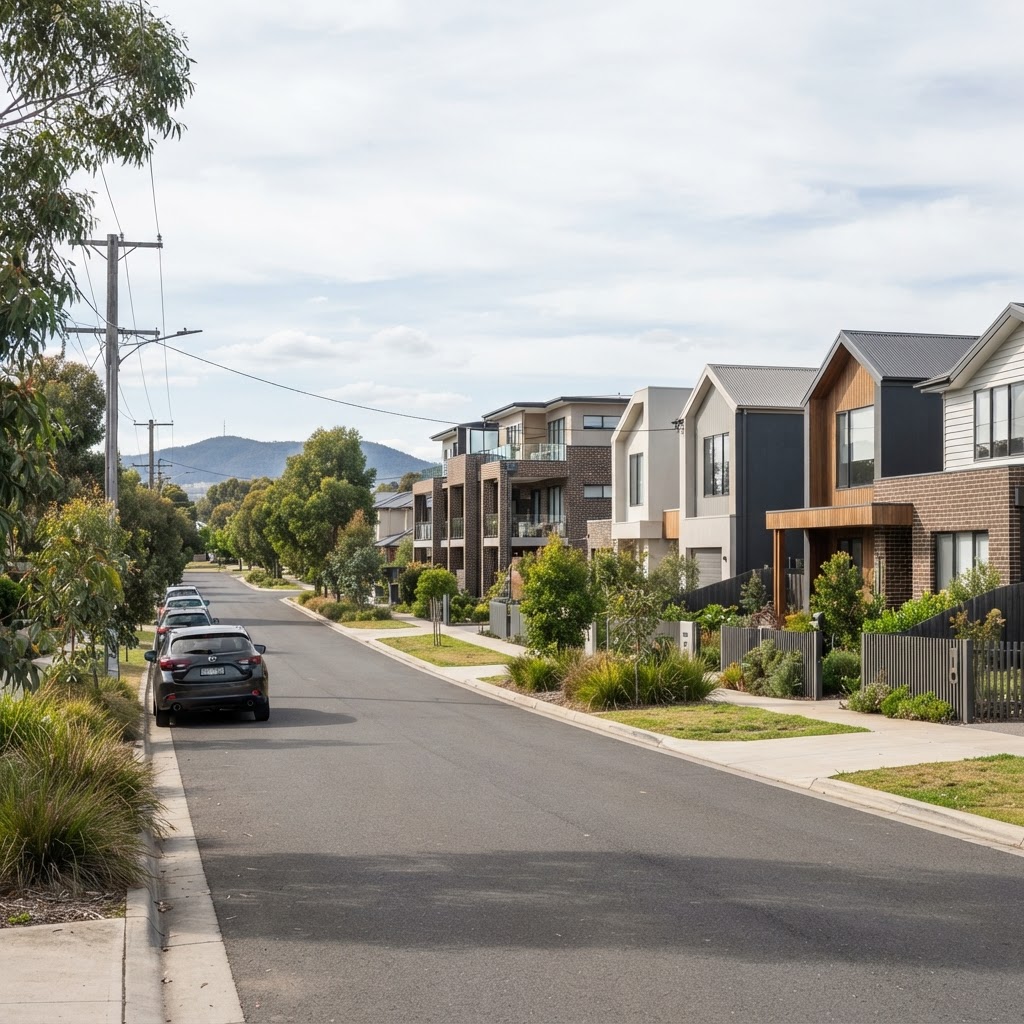
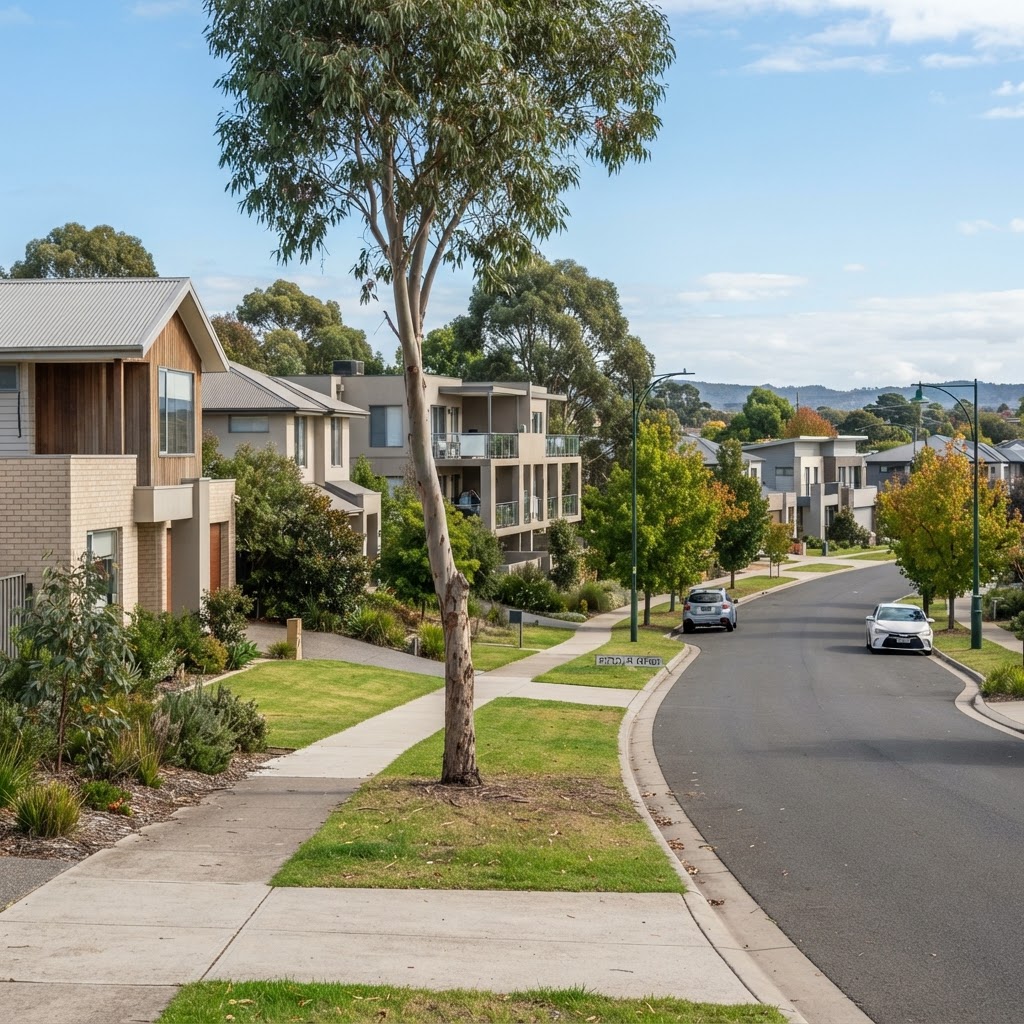
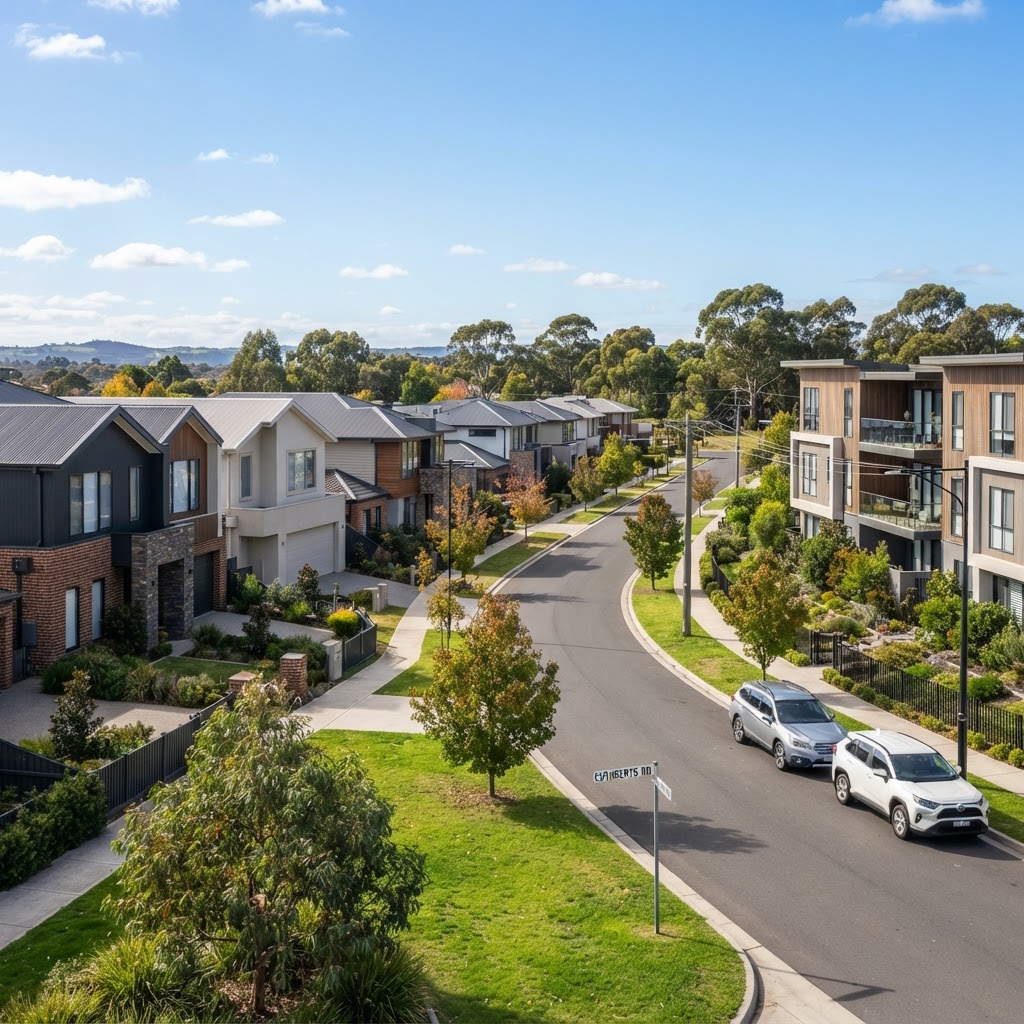
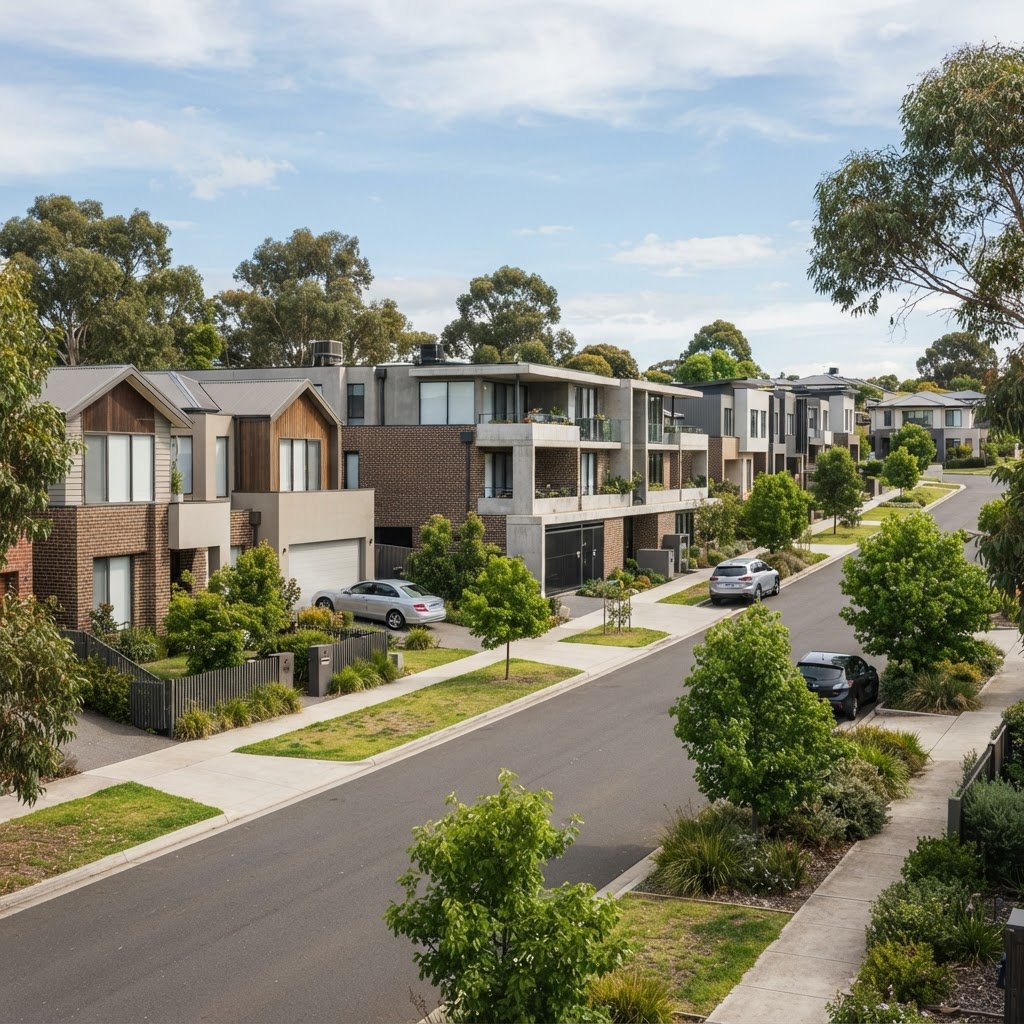
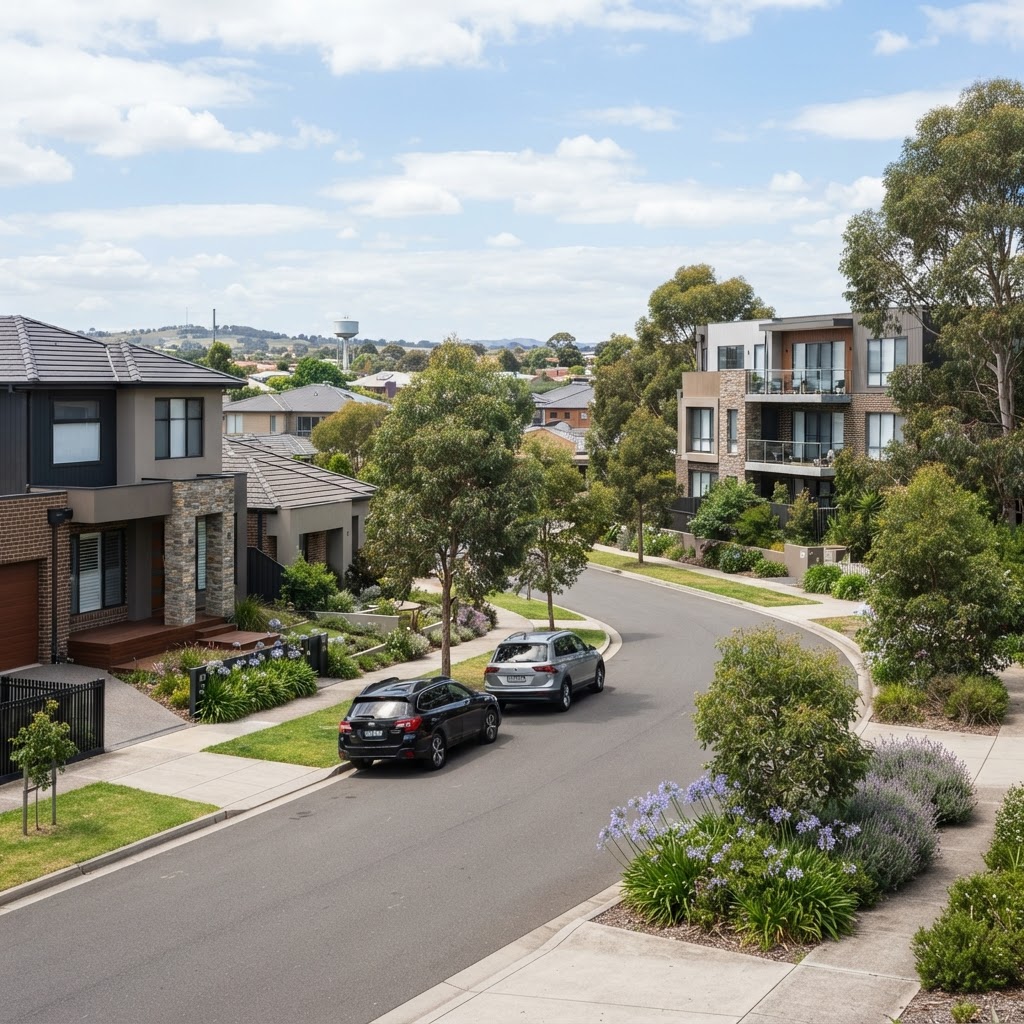
Ballarat is experiencing a tightening rental market, with vacancy rates dropping to a historic low of 0.8% in May 2026, according to the Domain Rental Report. This squeeze is driving up rents and putting pressure on tenants and landlords as the city attracts more Melbourne overflow buyers seeking affordable housing.
Why Rental Market Conditions Matter Now
As Melbourne’s property prices continue to climb beyond reach for many, Ballarat has become a magnet for first home buyers and investors. This demand surge has tightened rental supply even further, putting upward pressure on rents and challenging the affordability of renting for locals. The Ballarat Real Estate Institute notes that the city’s median house price sits around $510,000 as of mid-2026, undercutting Melbourne’s metropolitan median by more than $300,000 but still growing steadily.
The squeeze on rental properties is a significant issue for this regional centre, where many families and individuals rely on rental options while saving to enter the property market. With fewer rental listings, tenants face increased competition, while landlords are navigating balancing higher returns with longer-term tenant retention.
Ballarat’s Rental Market and Local Dynamics
In Ballarat’s Alfredton growth corridor, rental demand has surged due to new infrastructure developments and access to schools like Alfredton Primary School. Meanwhile, Lake Wendouree’s premium housing and heritage-listed streets such as Mair Street are drawing a mix of affluent tenants who expect quality accommodation but often face steep rental prices. Local agencies including Ballarat Residential Property Management have reported a 12% increase in average weekly rents over the past 12 months.
The Ballarat Council has highlighted the importance of supporting affordable housing projects, with initiatives targeting the southern suburbs to mitigate rental pressure. Plus, the Victorian Government’s First Home Buyer Grant, which could offer up to $10,000 for eligible applicants, remains a vital tool for locals hoping to transition from renting to owning.
Data Points and What They Mean
According to Real Estate Institute of Victoria (REIV) data released in June 2026, the median rent for a three-bedroom house in Ballarat rose from $380 to $425 per week over the last year. At the same time, the rental vacancy rate fell sharply from 1.5% in early 2025 to just 0.8% this May. This compares to a vacancy rate of around 3.2% in Melbourne’s outer suburbs, underscoring Ballarat’s tighter market conditions.
The demand is partly driven by the influx of Melbourne-based tenants priced out of inner-city areas. Landlords are also affected, facing maintenance cost increases and a more selective tenant pool, especially in premium suburbs near Lake Wendouree. Balancing competitive rents while ensuring properties meet tenant expectations has become more challenging.
What’s Next for Tenants and Landlords?
First home buyers looking to navigate this market should consider engaging with local agencies like Ballarat Residential Property Management early to understand rental availability and to plan for potential rent increases. Exploring growth corridors like Alfredton may offer more affordable housing options, while heritage districts often demand premium prices but hold longer-term value.
For tenants, registering with multiple property managers and acting swiftly when rentals appear can improve chances of securing accommodation. Prospective landlords must weigh the benefits of higher rents against tenant retention strategies, focusing on property upkeep and clear communication.
As Ballarat’s rental market evolves, local government and community organisations may need to step up support for affordable housing and tenant protection. Monitoring vacancy rates and rent trends will be critical in the months ahead to anticipate shifts that could affect the city’s housing landscape.
This article is general information only and is not personal financial or investment advice. Consider your own circumstances and seek licensed professional advice before making financial decisions.