Property
Ballarat’s planning shifts reshape new developments and housing market
Latest Victorian planning policy changes are altering development approvals and impacting buyer interest in Ballarat’s growth corridors.
3 min read
Property
Latest Victorian planning policy changes are altering development approvals and impacting buyer interest in Ballarat’s growth corridors.
3 min read

New planning policies introduced by the Victorian government in mid-2026 are already affecting development decisions in Ballarat, particularly in rapidly expanding areas such as Alfredton and the Lake Wendouree precinct. These changes aim to balance growth with heritage preservation and infrastructure capacity, creating a more cautious framework for approvals.
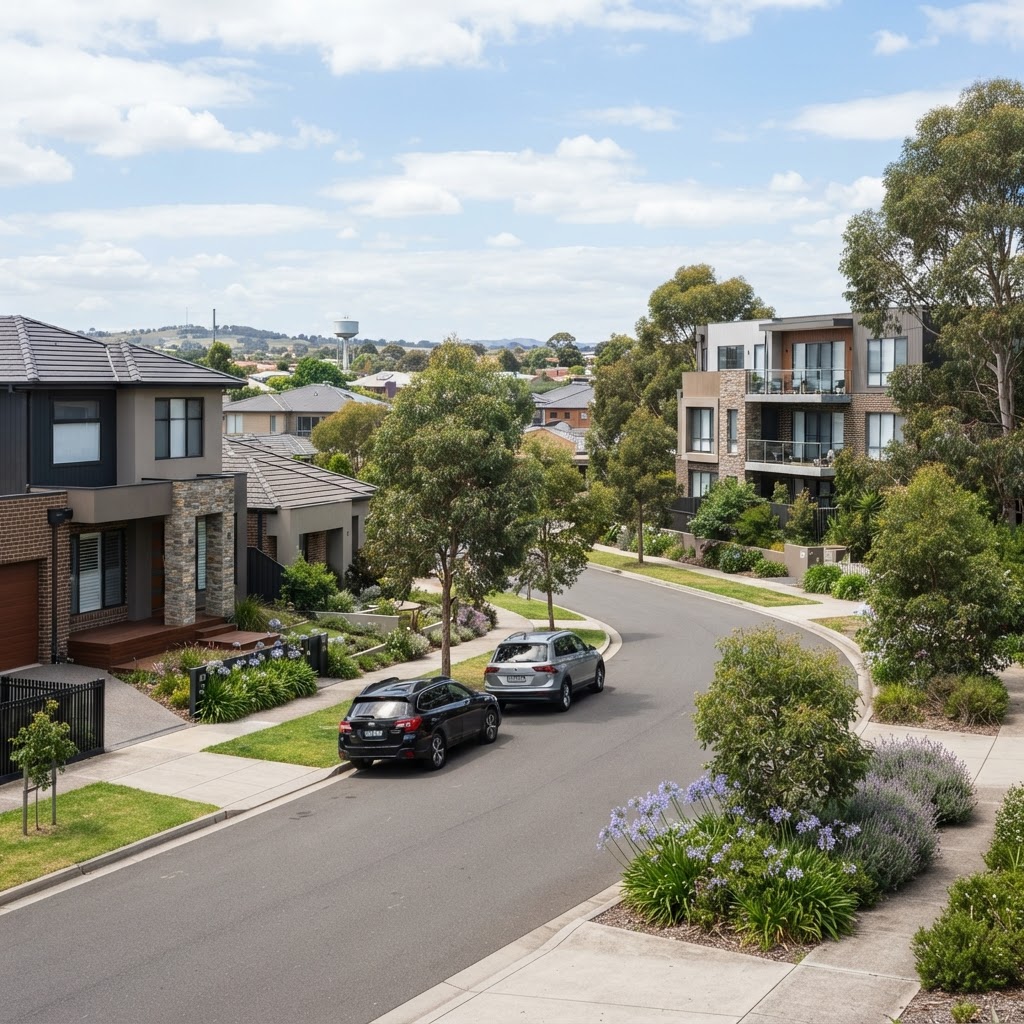
After years of swift suburban expansion and rising demand from Melbourne overflow buyers, Ballarat is adjusting to planning reforms designed to temper unchecked sprawl and protect residential amenity. This matters now as the region responds to infrastructure funding constraints and community concerns about dense developments altering local character.
The Ballarat City Council recently updated its local planning scheme in line with statewide measures announced by the Department of Environment, Land, Water and Planning (DELWP) in April 2026. Key provisions include stricter density controls near heritage precincts and mandated developer contributions toward transport and community facilities.
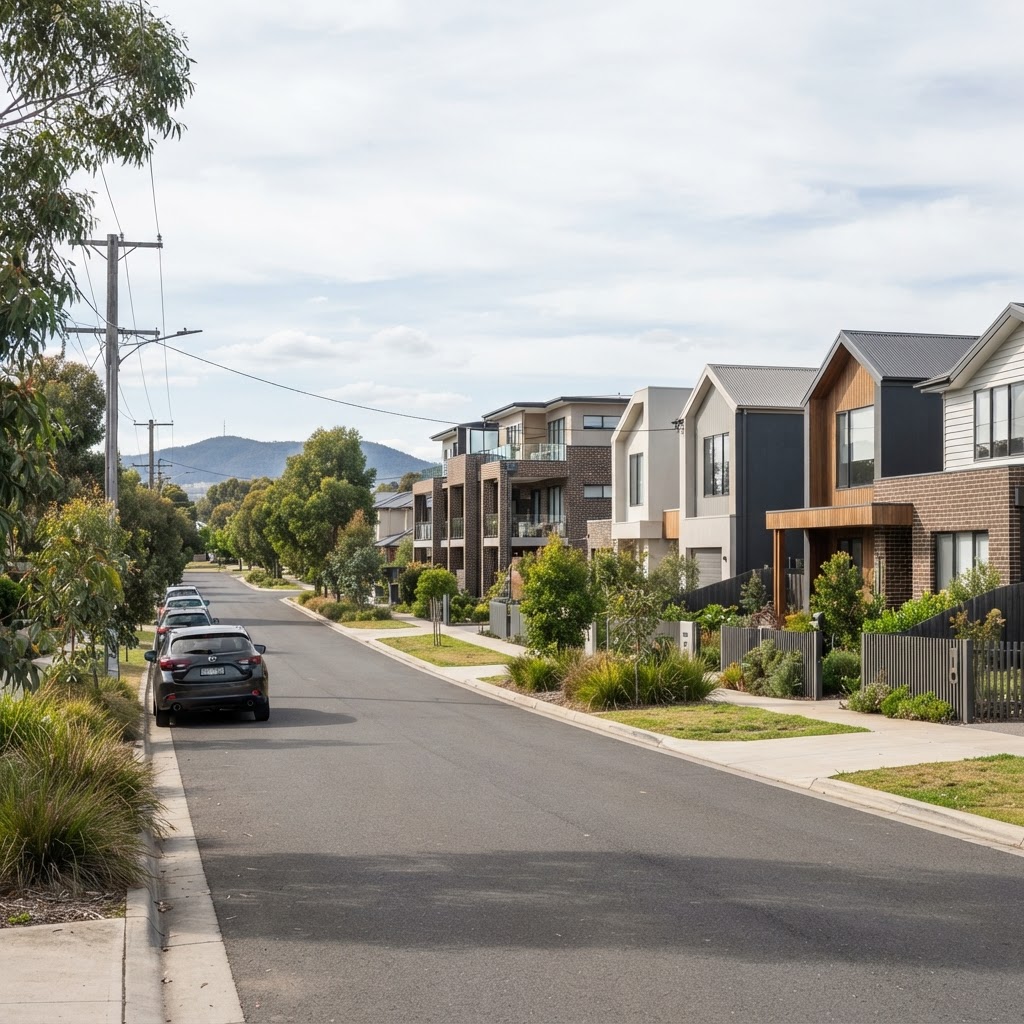
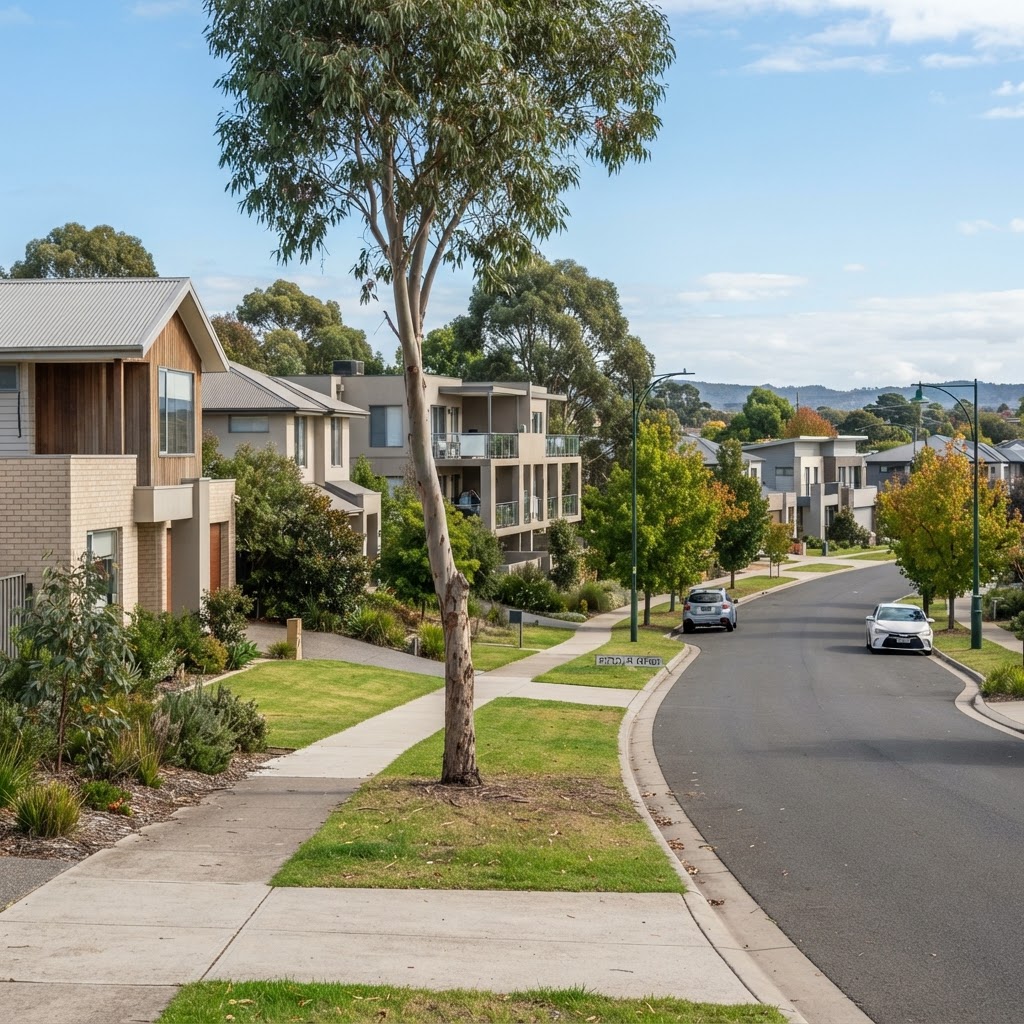
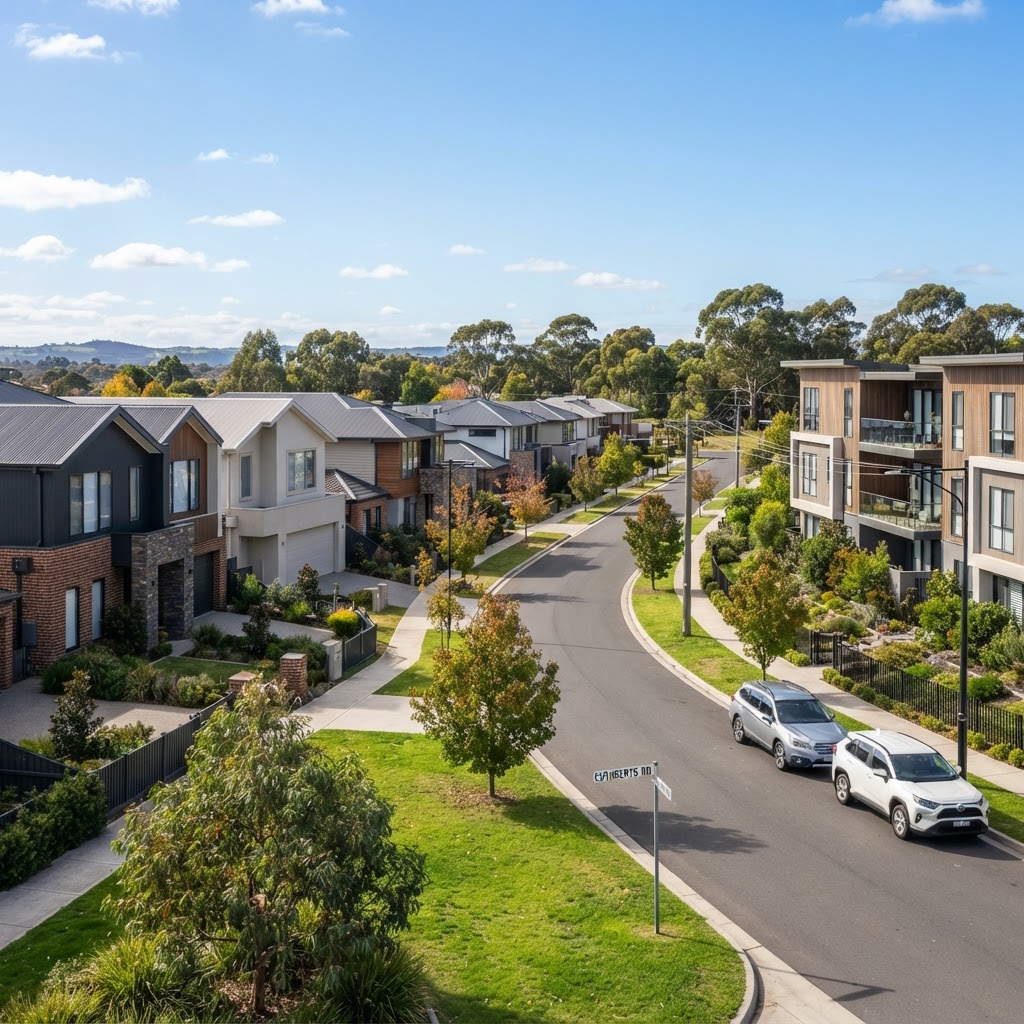
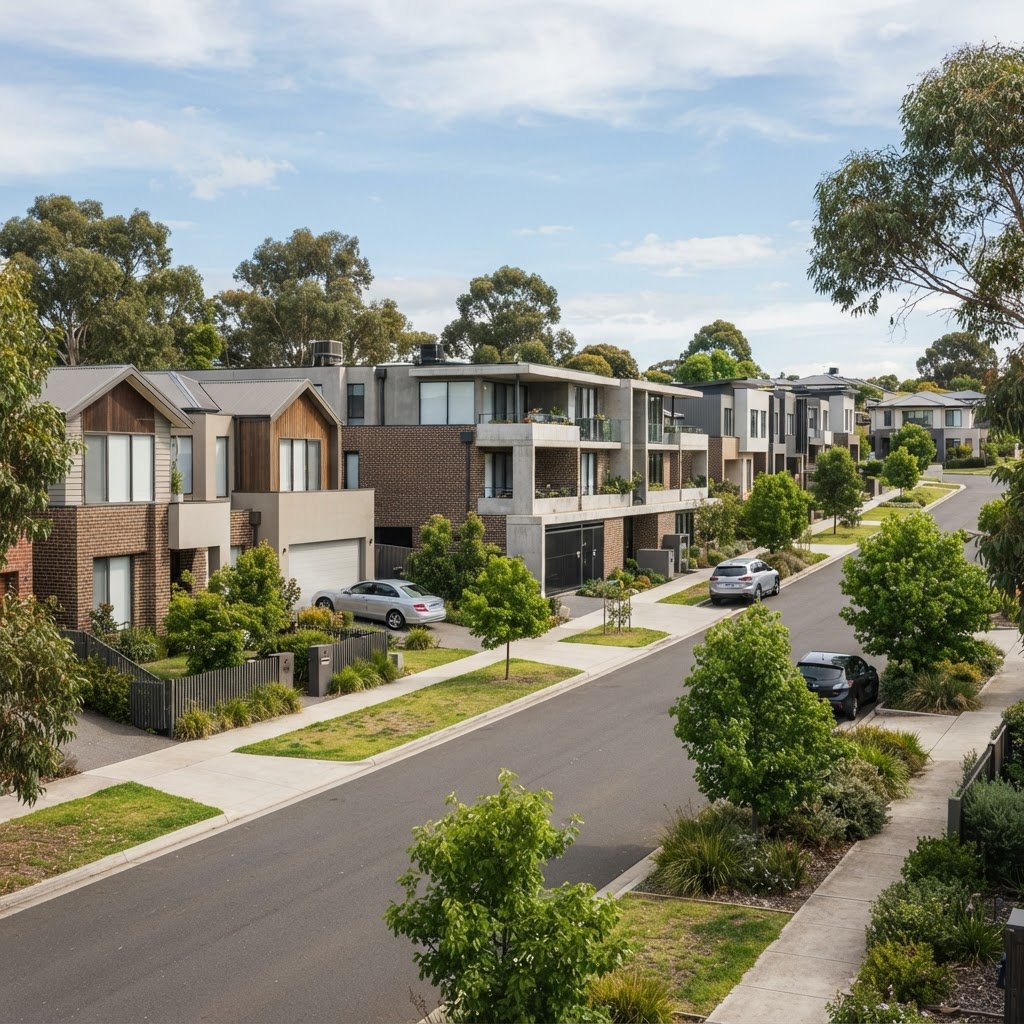
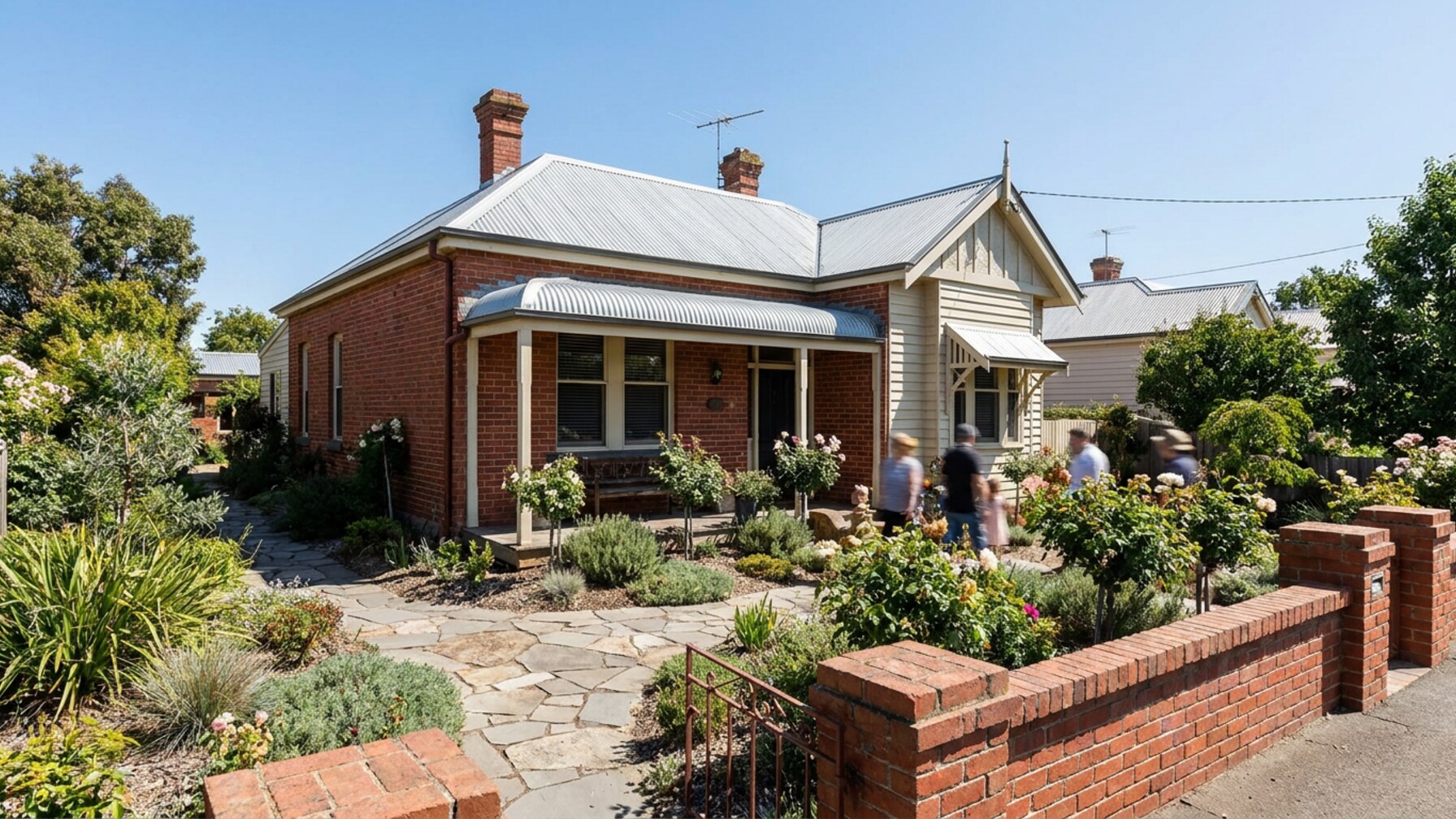
For Alfredton, a hotspot for new housing estates on the city's southwestern fringe, this means reduced plot ratios and more rigorous traffic impact assessments. Conversely, Lake Wendouree’s established heritage zones are now under enhanced overlay protections that limit major alterations or infill projects. These shifts slow approvals for high-density projects but aim to sustain the area’s premium market appeal.
The Ballarat Development Alliance, a consortium of local builders and planners, has reported that some projects previously ready to proceed have been delayed pending revised environmental and traffic reports. Similarly, Ballarat Base Hospital’s planned service upgrades have intensified the council’s focus on infrastructure-linked planning conditions.
According to the Real Estate Institute of Victoria’s June 2026 report, the median house price in Ballarat held steady at approximately $510,000 over the past quarter, following a period of moderate growth driven by demand from Melbourne buyers seeking affordable alternatives. Alfredton homes, however, remained priced about 12% higher than the city median, reflecting its popularity and recent development activity.
Local agents note that while the supply pipeline is now more cautiously advancing due to planning hurdles, buyer interest remains resilient. Agents in the Wendouree area report that homes close to Lake Wendouree parklands continue to command premiums, partially due to the newly enacted heritage overlays reducing future development risks that often deter affluent buyers.
Looking ahead, stakeholders such as the Ballarat Business Council advocate for clearer timelines on infrastructure funding to support new developments, warning that prolonged uncertainty could dampen investment. Meanwhile, prospective buyers should expect development approvals to take longer and may find increased costs as developers factor in infrastructure levies linked to the new policies.
In practical terms, those looking to purchase in Ballarat’s growth corridors should monitor local council planning meetings and consult with developers about timelines and potential levies. For sellers, positioning properties near key amenities and within established precincts appears increasingly advantageous under the new planning climate.
This article is general information only and is not personal financial or investment advice. Consider your own circumstances and seek licensed professional advice before making financial decisions.
Property
Property
Property
Property
Property
Property
About this articleBeta
Published by The Daily Ballarat
Spread the word
Daily brief
Free, in your inbox before 7am. Weekdays.
The Daily Network — local news across Australia