Property
Investor Yield Returns in Ballarat: What the Numbers Show
Amid steady price growth, rental yields in Ballarat present valuable insights for property investors weighing opportunities beyond Melbourne.
3 min read
Property
Amid steady price growth, rental yields in Ballarat present valuable insights for property investors weighing opportunities beyond Melbourne.
3 min read

Ballarat continues to attract attention from property investors, with average rental yields holding firm around 4.8% as of June 2026, according to data from the Real Estate Institute of Victoria (REIV). This performance outpaces many Melbourne suburbs, highlighting the regional city's potential as a solid investment market.
Investors eyeing regional areas face growing challenges amid rising property prices and changing auction regulations in Victoria. Ballarat's relatively affordable median dwelling price-approximately $510,000-combined with healthy rental returns make it a noteworthy contender for those seeking better yield compared to metropolitan alternatives. This is especially relevant as Melbourne's overflow buyers increasingly look to regional centres for value and growth.
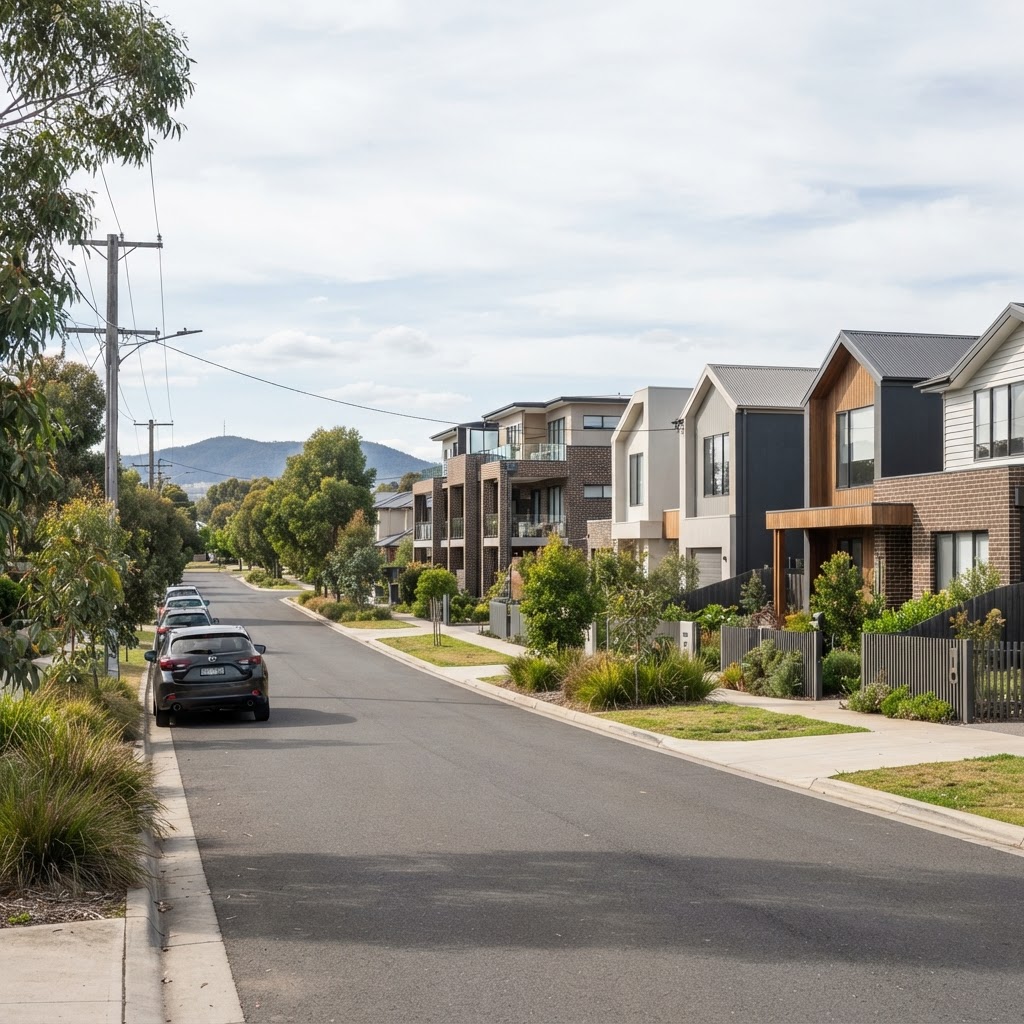
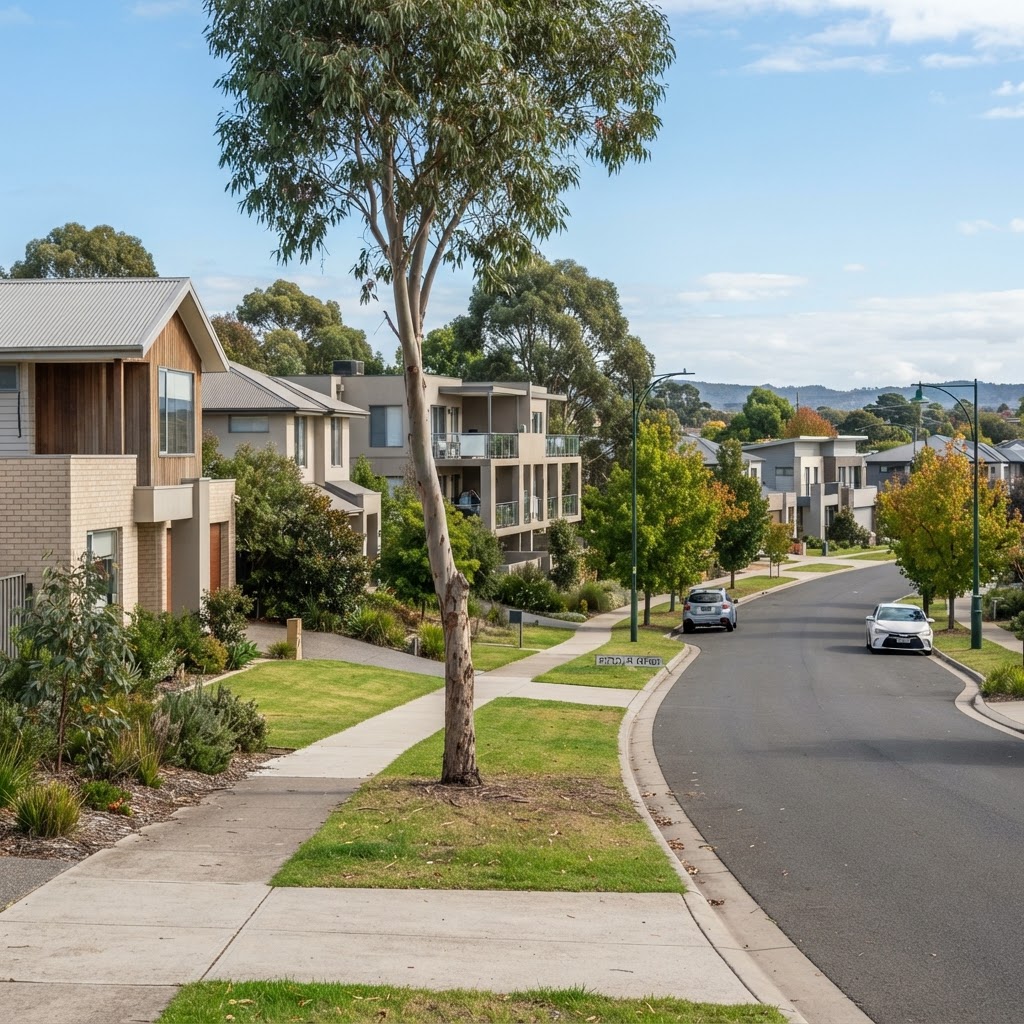
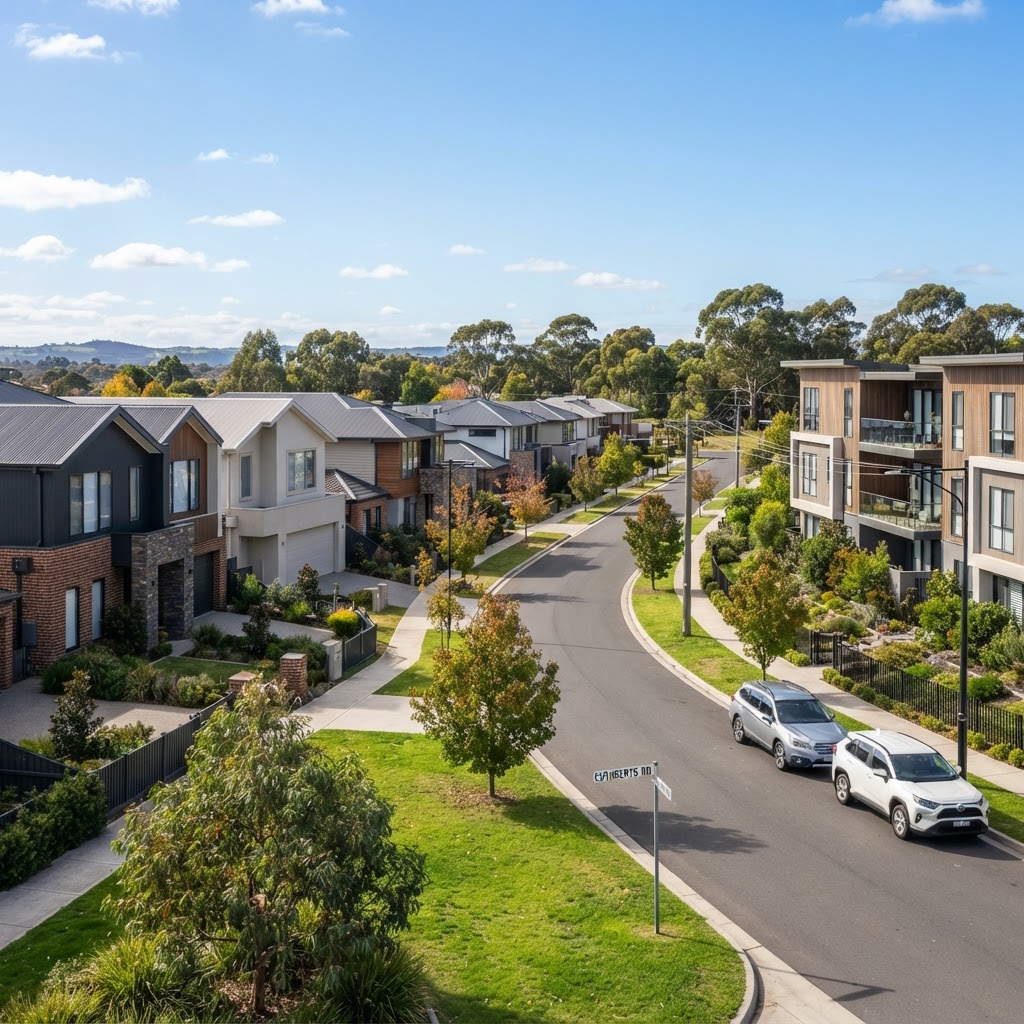
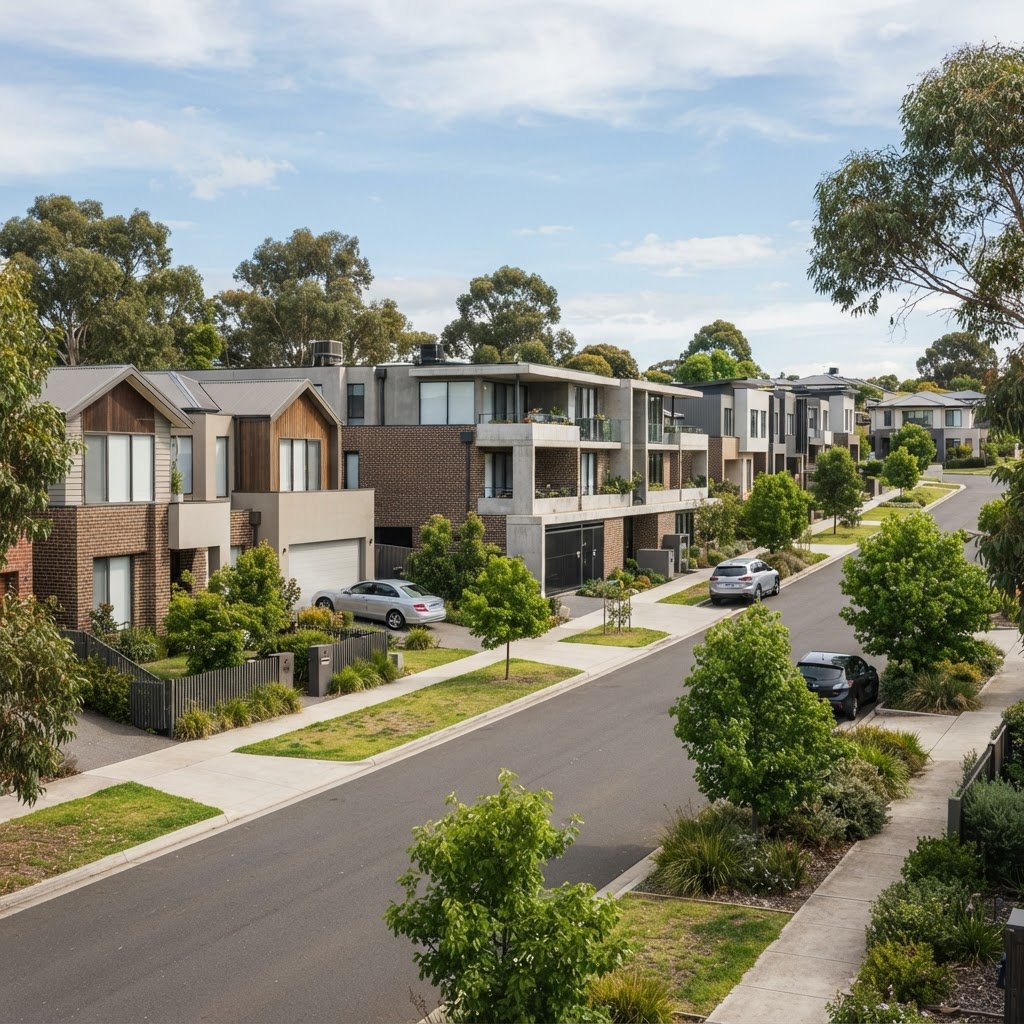
The Alfredton precinct remains a hotspot for investors, driven by the suburb’s strong development pipeline and proximity to schools such as Alfredton Primary and Ballarat Secondary College. Property around Learmonth Road and Minerva Road has seen consistent rental demand, buoyed by families and professionals relocating from Melbourne's inner suburbs.
Meanwhile, Lake Wendouree continues to command premium prices and maintain steady yields, though the median house price there ticks above $900,000, placing it beyond the reach of many first-time investors. The heritage appeal combined with scenic amenities attracts long-term tenants, ensuring stable cash flow but slightly lower gross yields compared to growth corridors like Alfredton.
Recent analysis by Herron Todd White's Ballarat office confirms gross rental yields around 4.5% for houses and 5% for units, outperforming many parts of Greater Melbourne where yields often fall below 4%. This is reinforced by the latest findings from SQM Research, which reported average vacancy rates in Ballarat hovering near 2.3% in mid-2026, indicating tight rental market conditions that support yield stability.
Price growth in Ballarat rose by approximately 3.6% over the past 12 months, slower than Melbourne’s 6% ascent but offering a less volatile investment environment. The slower price escalation combined with solid rental returns positions Ballarat as a compelling option for investors focused on steady income rather than rapid capital gains.
Given the Victorian government’s recent introduction of new auction regulations limiting vendor bidding, some experts suggest this will temper bidding wars and may moderate price hikes-but also increase competition among investors for properties offering reliable yields.
For those considering entering the Ballarat market, careful suburb selection is critical. Investors should weigh yield potential alongside factors like tenant demand and infrastructure developments. Local initiatives such as the Ballarat West Growth Corridor Strategy, designed to enhance residential infrastructure and facilitate development, may provide future upside to property values and rental appeal.
In summary, Ballarat's market reveals a stable narrative for investors: solid yields backed by a diverse tenant base and supportive growth areas like Alfredton stand out against pricier, lower-yielding metropolitan choices.
This article is general information only and is not personal financial or investment advice. Consider your own circumstances and seek licensed professional advice before making financial decisions.
Property

Property
Property
Property
Property
Property
About this articleBeta
Published by The Daily Ballarat
Spread the word
Daily brief
Free, in your inbox before 7am. Weekdays.
The Daily Network — local news across Australia