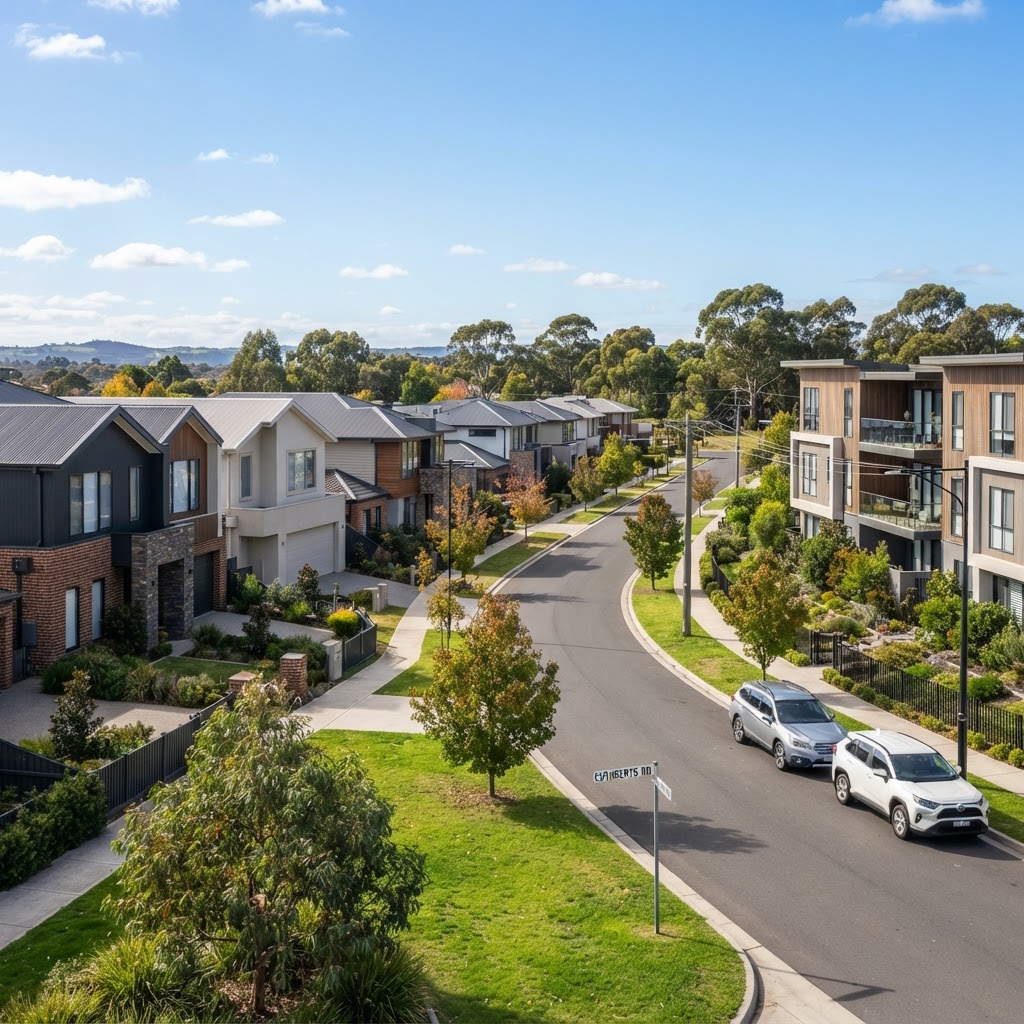
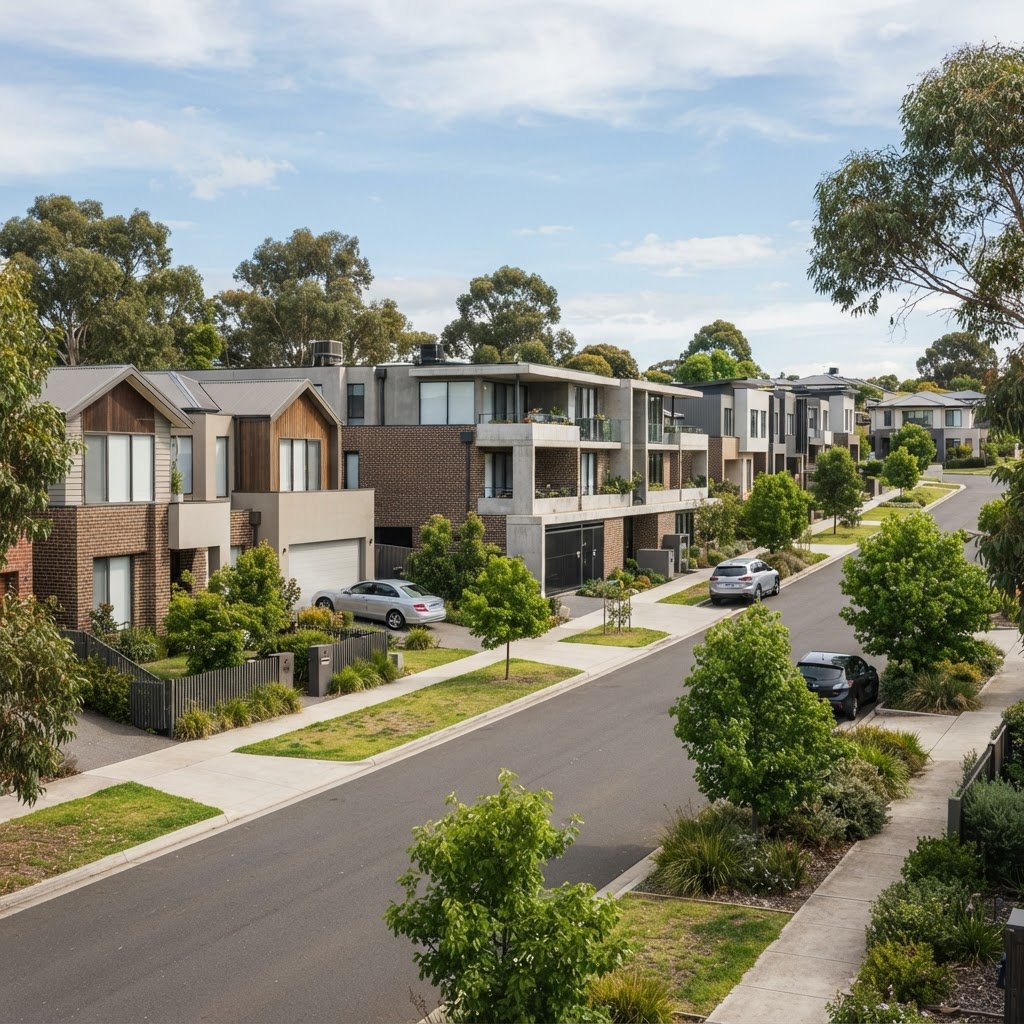
Sebastopol is not glamorous. It has no lakefront views, no café strip winning Instagram traffic, and no master-planned estate promising resort-style living. What it does have is a median house price hovering around $430,000, roughly $80,000 below Ballarat's broader Victorian median of approximately $510,000, and a run of sales results over the past 18 months that has caught the attention of buyers agents working the Melbourne-to-regional corridor.
The numbers matter right now because the broader Melbourne auction market is under genuine pressure in mid-2026, pushing more owner-occupiers and investors further west along the Western Freeway in search of value. Ballarat has absorbed that pressure well, but not every suburb within the city has absorbed it equally. Sebastopol, bordered by Sebastopol Street to the north and stretching down toward the Canadian lead, is absorbing it better than most.
Why Sebastopol Is Moving
Three factors keep coming up when you talk to people active in this market. First, proximity: Sebastopol sits less than three kilometres from Ballarat's CBD, meaning residents can walk or cycle to Sturt Street's retail precinct or reach Ballarat Base Hospital in under ten minutes. Second, the housing stock itself, a mix of solid Victorian and Edwardian weatherboards on generous 600-to-800 square metre blocks, appeals both to renovators and to the growing cohort of younger buyers who want character without paying the premium the Lake Wendouree or Soldiers Hill markets now demand. Third, and most practically, there is still room to run. Median prices in neighbouring Ballarat Central and Brown Hill have climbed sharply enough in recent years to price out the first-home buyer segment almost entirely.
The Alfredton growth corridor on Ballarat's western edge offers new builds, but land and construction costs have pushed turnkey house-and-land packages toward $600,000 and beyond for anything above entry spec. Sebastopol's established housing stock undercuts that significantly, which is why auction clearance rates for three-bedroom homes on streets like Albert Street and Sebastopol's end of Ripon Street have held above the city average through the autumn and into winter.
The suburb's infrastructure base also quietly strengthened. The Sebastopol Streetscape Renewal project, delivered through the City of Ballarat, upgraded the main commercial strip along Albert Street over recent years, improving foot traffic to local traders. The Ballarat Community Health centre on Ascot Street serves the area's healthcare needs. Sebastopol Primary School, one of the suburb's two state primary schools, consistently draws families who might otherwise have looked further afield.
What the Data Shows
Victoria's median house price sits at roughly $510,000 as of mid-2026, a figure that places Sebastopol at a meaningful discount to the statewide benchmark, unusual for a suburb with this level of access to a regional city centre. Comparable entry-level suburbs in Geelong trading at similar proximity to that city's CBD have already moved through and well past this price band. That gap, Sebastopol's discount relative to its own fundamentals, is what investors are pricing in when they make offers today.
Days on market for Sebastopol listings through the first half of 2026 have tracked shorter than the Ballarat City average, according to publicly available data aggregated on major listing platforms. Stock remains tight. New listings in July have been absorbed quickly, with several properties on Raglan Street and adjacent blocks reportedly attracting multiple offers within the first open-for-inspection weekend, a pattern less common in the slower winter conditions affecting Melbourne's outer suburbs right now.
For buyers still watching from Melbourne, particularly the wave of younger buyers who, as national surveys continue to confirm, still regard home ownership as a core goal rather than an obsolete one, Sebastopol represents a straightforward calculation. The suburb is priced for where Ballarat was two or three years ago, not for where it is heading. That window does not stay open indefinitely. Anyone who bought in Sebastopol's adjoining suburb of Delacombe five years ago already knows how quickly working-class Ballarat fringe suburbs can reprice once the market recognises the gap. Sebastopol is next in line, and it is already moving.
This article is general information only and is not personal financial or investment advice. Consider your own circumstances and seek licensed professional advice before making financial decisions.