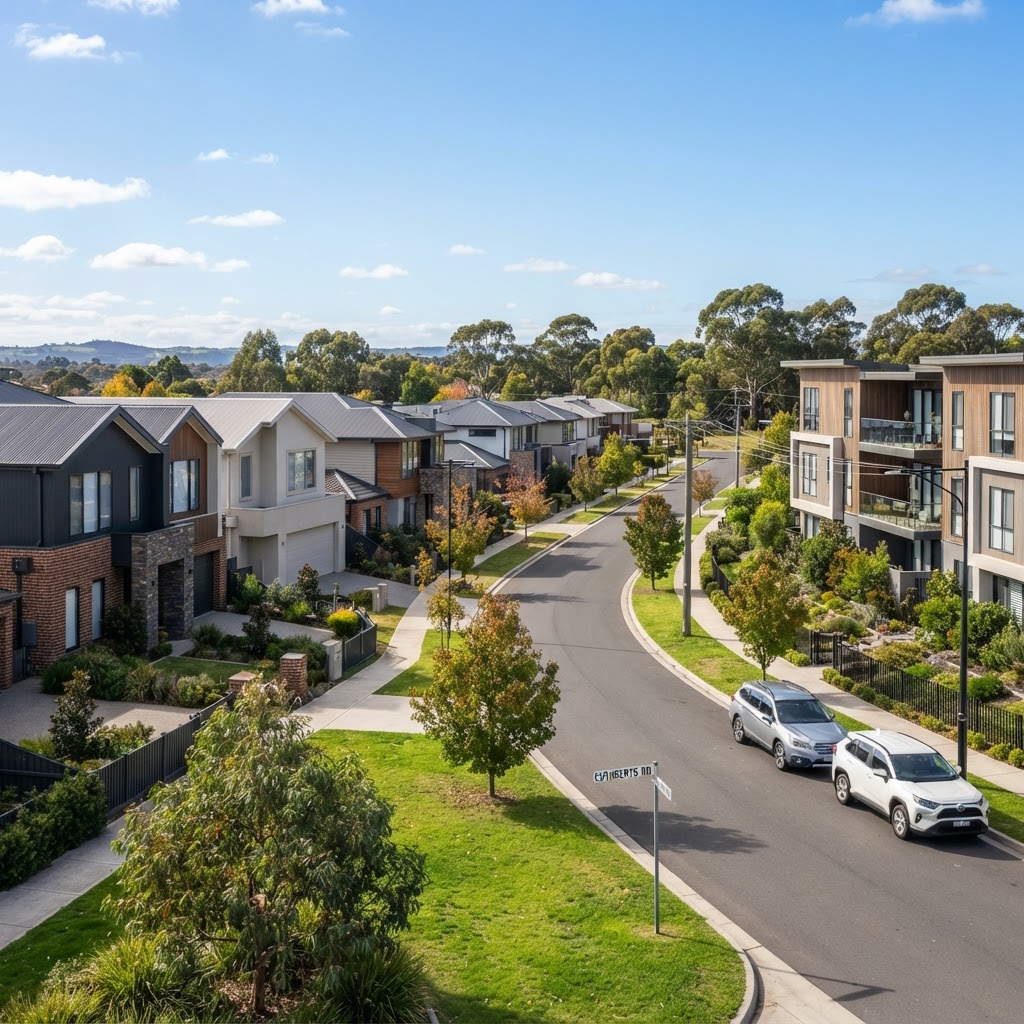
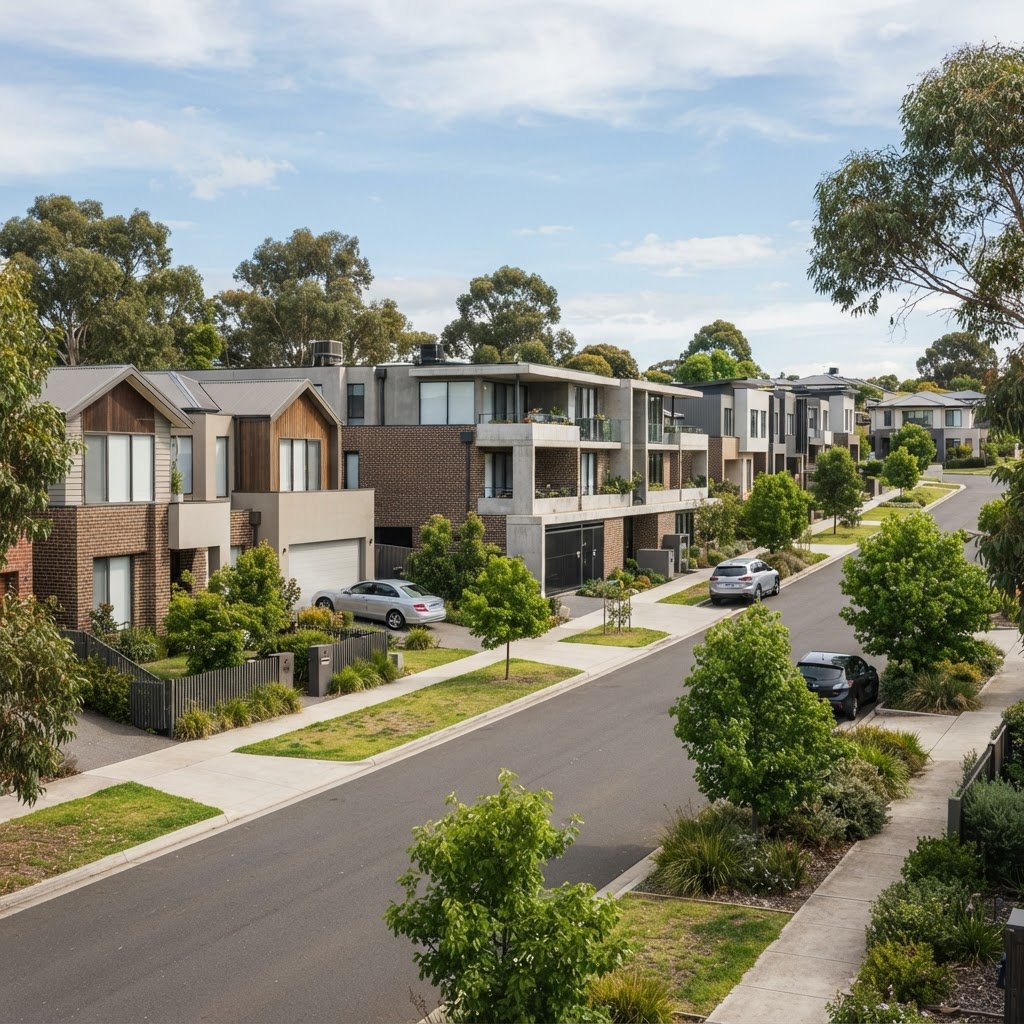
Sebastopol is no longer the afterthought at the end of Sturt Street. The suburb sitting roughly three kilometres south of Ballarat's CBD has recorded median house price growth that is outpacing neighbouring Redan, Mount Pleasant and Brown Hill over the past 18 months, all while holding a price point roughly $60,000 to $80,000 below the broader Ballarat metro median of approximately $510,000.
That gap matters right now. Melbourne's auction market has been grinding through its worst winter conditions in years, and regional Victoria is catching the overflow. Buyers who have been priced out of inner-Melbourne or who cashed out of suburbs like Watsonia, where a single auction result recently cleared $916,000, are arriving in Ballarat with genuine budgets and no patience for the premium that Lake Wendouree or Ballarat East commands. Sebastopol, with its sub-$450,000 entry point on a standard three-bedroom block, is where a meaningful number of those buyers are landing.
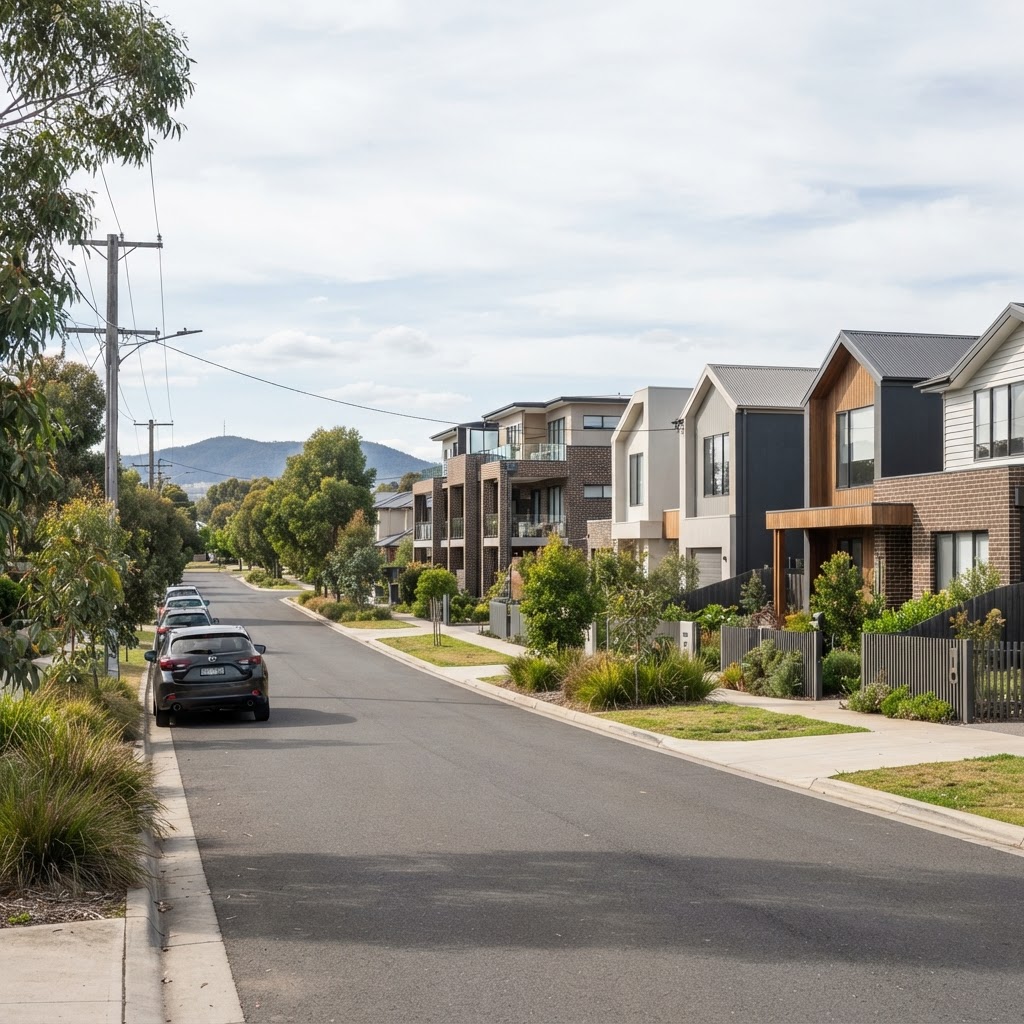
The suburb's appeal is not accidental. The Sebastopol Town Centre on Albert Street has seen steady retail reinvestment over the past three years, anchored by a refreshed IGA supermarket and a run of independent traders that have reduced the friction of living south of the CBD. The Ballarat West Growth Area, which covers the Alfredton corridor to the north-west, has absorbed enormous developer attention and infrastructure spend, but that activity has also pushed values in Alfredton upward faster than some first-home buyers can track. Sebastopol, by contrast, offers established streetscapes, larger block sizes typical of 1960s and 1970s subdivision patterns, and school catchments including Sebastopol Primary School and easy access to Ballarat High School on Sturt Street.
What the Numbers Are Showing
Typical three-bedroom houses in core Sebastopol streets, Gillies Street North, Barkly Street and the quieter residential runs off Albert Street, have been transacting in the $420,000 to $470,000 range through the first half of 2026. That compares to sub-$400,000 entries that were commonplace in the suburb as recently as 2023. A 15 to 18 per cent move in roughly two years is not dramatic by the standards of Melbourne's pandemic surge, but in a market where Ballarat broadly is up only modestly, it represents real outperformance relative to comparable suburbs. Redan, directly to the east, has seen quieter turnover and softer price movement over the same period.
Investors are part of the equation. Gross rental yields in Sebastopol have been tracking in the 4.5 to 5 per cent range, comfortably above the returns available in the Lake Wendouree precinct, where prestige prices have compressed yields toward 3 per cent or below. For self-managed landlords and small-portfolio investors running calculations through platforms like the Real Estate Institute of Victoria's market data tools, Sebastopol keeps clearing the basic hurdle rates that inner-Ballarat and Alfredton new-build stock no longer reliably meets.
Where This Goes From Here
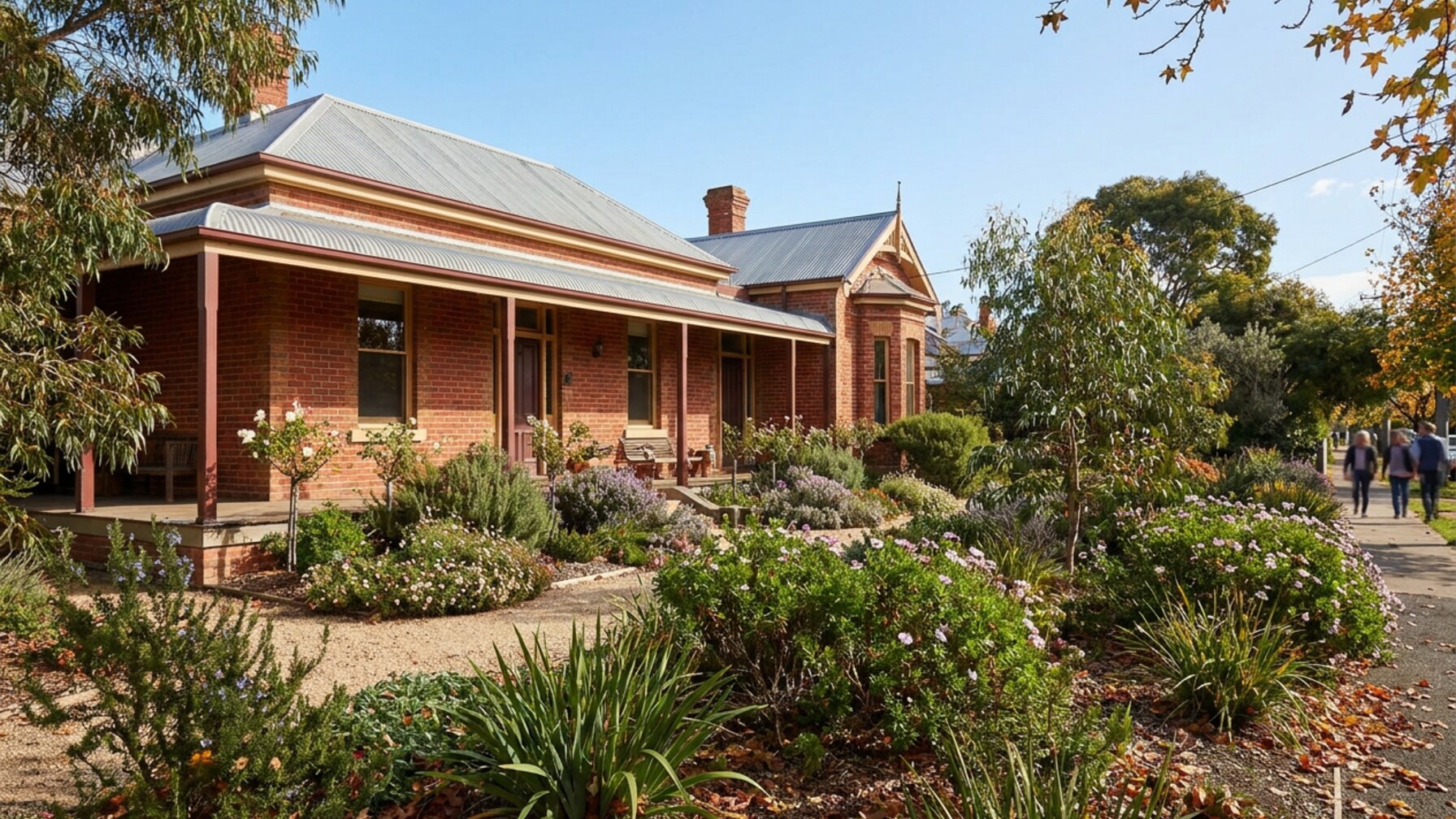
The practical question for anyone considering a purchase is how long the affordability window stays open. Sebastopol's heritage stock is limited, there are Victorian-era workers' cottages scattered through the older sections near the junction of Barkly and Sago Hill Road that have started attracting renovation interest, which historically signals the early stages of a suburb's repositioning. Once that segment of buyers moves in volume, entry prices tend to re-rate quickly.
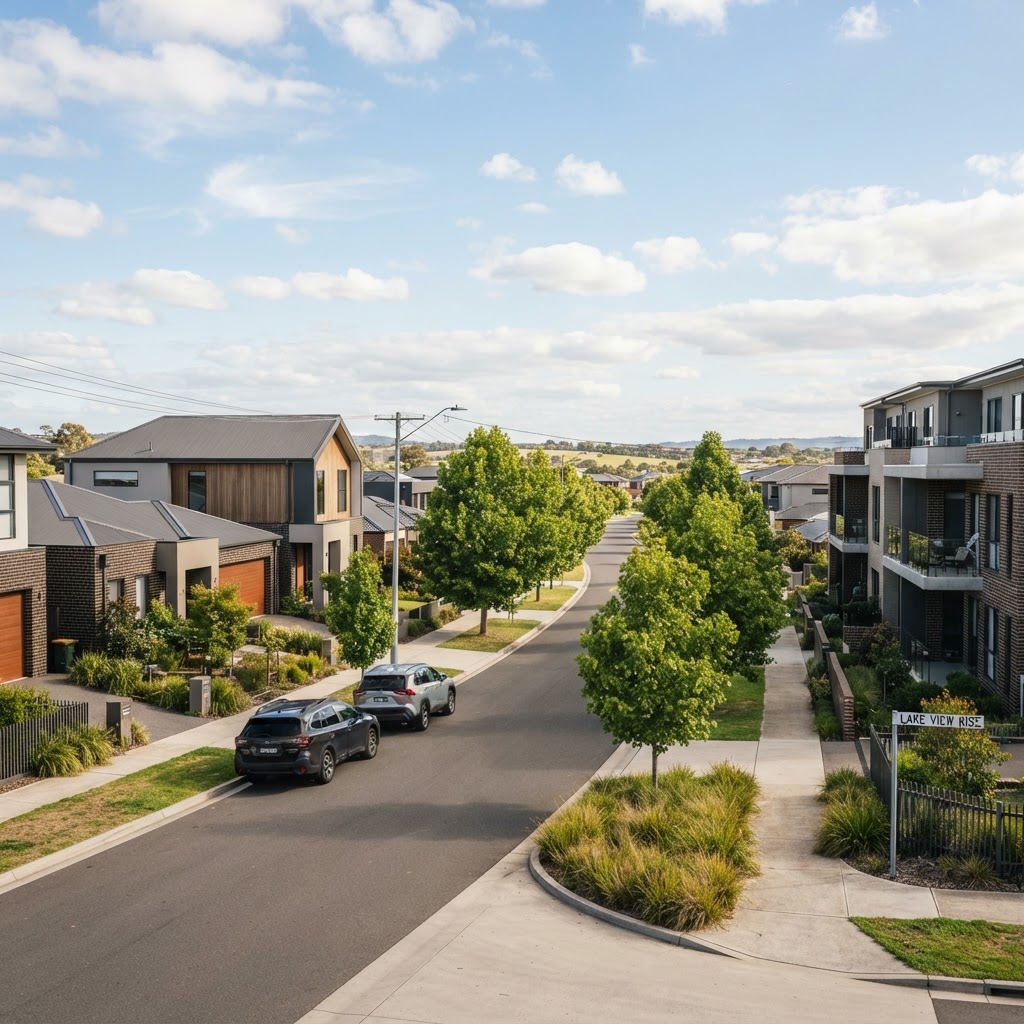
The City of Ballarat's current planning scheme designates parts of Sebastopol's southern fringe for incremental residential densification, which will bring new townhouse supply over the next five to seven years. That supply pipeline is a moderating force on price growth, and buyers should factor it in. But for the next 12 to 18 months, before that stock hits the market in meaningful numbers, the combination of relative affordability, improving local amenity and genuine yield makes Sebastopol's case straightforward. Gen Z buyers, who national surveys consistently show still prioritise homeownership despite affordability pressures, would find few better-value footholds in the Ballarat market right now. The suburb is no secret anymore, but it is not fully priced either.
This article is general information only and is not personal financial or investment advice. Consider your own circumstances and seek licensed professional advice before making financial decisions.
About this article●Beta
Published by The Daily Ballarat
Covering property in Ballarat. This article was generated by AI, under human editorial accountability and risk-based review and our reasonable editorial care. Sensitive material is held for human review before publication. See our reasonable editorial care.
Beta: AI-assisted and human-overseen. Details may be imperfect, so please verify anything important.