property
Lease Up, Options Down: What Ballarat Renters Can Do When Their Time Runs Out
With vacancy rates near historic lows and purchase costs climbing, tenants facing lease-end decisions in Ballarat are caught between a rock and a very expensive hard place.
How we reported this
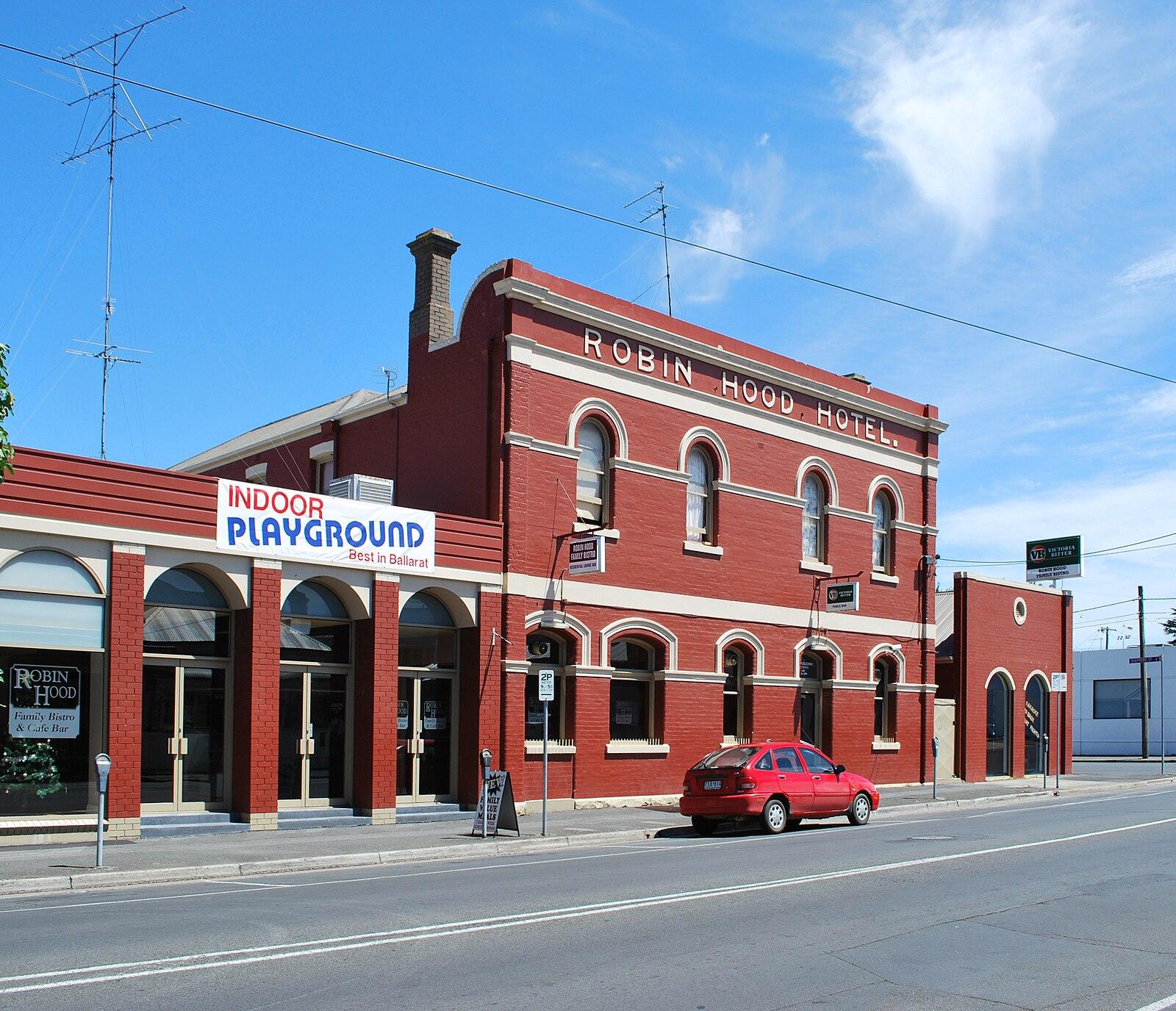
Ballarat renters whose leases expire this winter are confronting the worst dual squeeze in a generation: the city's rental vacancy rate sits at roughly 1.2 percent, well below the 3 percent threshold economists consider a balanced market, while the median house price hovers around $510,000, a figure that rules out buying for thousands of households still clawing back from post-pandemic cost-of-living damage.
The timing matters because a disproportionate number of fixed-term leases expire in June and July, pushed into annual cycles by a surge in tenancy activity during the 2021 and 2022 regional migration wave, when Melbourne overflow buyers and renters flooded the Ballarat market. Those 12-month agreements have now rolled through several renewals, and many landlords are choosing not to offer another. Some are selling into a softening market; others are upgrading rents to rates that test household budgets hard.
Where the Pressure Is Worst
The pinch is sharpest in established neighbourhoods. Rental listings in Soldiers Hill and Wendouree, two suburbs that absorbed enormous demand between 2020 and 2023, have thinned noticeably on Domain and realestate.com.au over the past 90 days. A three-bedroom house in Wendouree that was renting for $380 per week in mid-2023 is now commanding $460 to $480 per week on re-let, according to current listings. That $100-per-week jump eats roughly $5,200 a year out of a household budget and, for many renters, tips the affordability calculation into crisis territory.
The Alfredton growth corridor tells a different story. New rental stock has entered the market there through the Bonshaw estate and surrounding developments, and vacancy is marginally looser, but rents are comparable, and the suburb sits further from Central Ballarat's employment nodes, adding transport costs that offset any rent saving. Tenants are not really winning either way.
Community housing provider HousingFirst, which operates across the Ballarat local government area, reports sustained pressure on its waitlist. The organisation manages several hundred tenancies in the city and has seen referral volumes climb since late 2025. The Ballarat Community Health housing support team, based on Errard Street, is another frontline service fielding rising inquiries from people whose leases are ending without a clear next step.
What Renters Actually Can Do
The practical options, while limited, are real. First, renters should negotiate before the lease expires, not after. Landlords facing a slow sales market or worried about vacancy gaps have more reason to retain a reliable tenant than agents sometimes let on. A written proposal offering a longer fixed term, say 18 or 24 months, in exchange for a rent increase capped below market rate, has worked for some tenants in the Bakery Hill and Sebastopol precincts this year.
Second, tenants who believe they are being pushed out without valid grounds can contact Consumer Affairs Victoria. The 2021 amendments to the Residential Tenancies Act strengthened protections against retaliatory non-renewal, and the agency does investigate complaints. The process takes time, but filing a complaint preserves rights while a renter works out their next move.
Third, for those with any deposit capacity, the Federal Government's Help to Buy shared equity scheme, which opened applications in 2025, is relevant in Ballarat because the regional property price cap is set at $600,000, comfortably above the city's median. A qualifying single buyer on a modest income can enter the market with as little as a 2 percent deposit, with the government holding up to 40 percent equity. The Lake Wendouree premium zone is largely out of reach under the scheme, but Delacombe, Alfredton and Brown Hill all sit within eligible price bands.
The harder truth is that Ballarat's rental market will not loosen quickly. New dwelling completions in the city were down 18 percent in the March 2026 quarter compared to the same period in 2024, according to Australian Bureau of Statistics building approval data. Supply is not coming fast enough to relieve the pressure renters are feeling right now, and the decisions made in the next four to eight weeks, before winter listings thin further, will set household trajectories for the next year at minimum.
This article is general information only and is not personal financial or investment advice. Consider your own circumstances and seek licensed professional advice before making financial decisions.