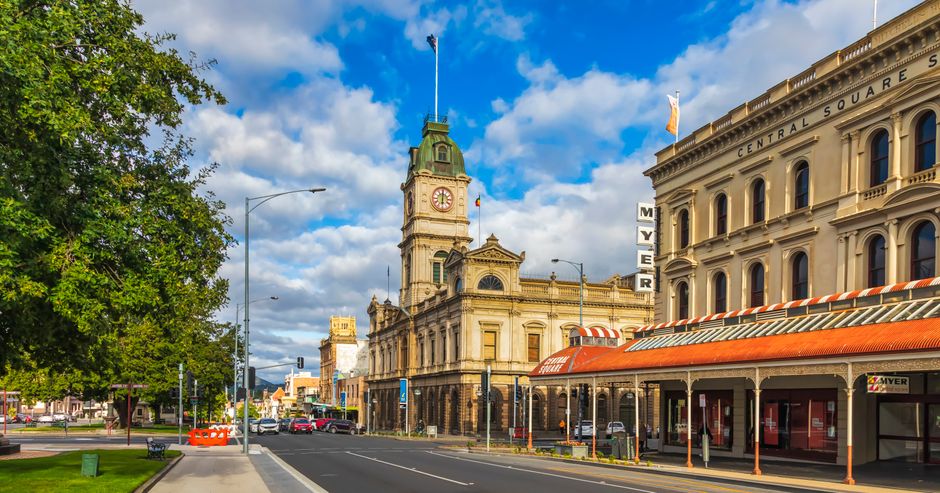
For years, the Australian property narrative has been simple: buy or be left behind. But in Ballarat, where median prices hover around $510,000 and Melbourne overflow buyers continue pushing values upward, a quieter strategy is gaining traction among younger investors: rent-vesting.
The concept is straightforward. Rather than stretch finances to purchase a primary residence in sought-after pockets like Lake Wendouree or the booming Alfredton growth corridor, rent-vesters remain tenants while deploying capital into investment properties elsewhere—typically regional areas or interstate markets offering stronger yields.
"The math works differently here now," says one local financial adviser. Consider this: a three-bedroom home on, say, Birdwood Avenue in East Ballarat might rent for $380–420 per week, while the same property costs $480,000–520,000 to purchase. That's a gross yield of around 4 per cent—solid, but not exceptional once maintenance, rates, and vacancy are factored in.
Meanwhile, renters saving the difference between their actual rent and what a mortgage would cost can invest that surplus capital into higher-yielding regional markets, negating the traditional "dead money" complaint about renting.
The strategy appeals particularly to Ballarat professionals—healthcare workers at the Base Hospital, educators, and service-sector employees—who earn reasonable incomes but face competing pressures: student debt, car payments, and the desire to maintain lifestyle flexibility. A family renting a modern townhouse near Lake Wendouree ($480 weekly) might invest $200–300 per week into a positively-geared regional property, gradually building a portfolio while remaining mobile.
There are risks. Interest rates could fall, making property cheaper relative to rent. Balloon rents could erase the savings advantage. And there's a psychological cost: tenancy insecurity and the absence of forced equity-building that mortgages provide.
Local property data suggests rent-vesting works best in Ballarat's premium zones—where the buyer premium is steepest. In Alfredton or south-facing suburbs near the gardens, median prices have climbed 8–12 per cent annually, far outpacing wage growth. Renting there while investing elsewhere neutralises that premium.
The strategy also suits Ballarat's shifting demographics. Melbourne spillover buyers are hiking local prices, but they're not the only demographic. Millennials and Gen-Z workers increasingly question whether homeownership in one location aligns with their careers or values.
Rent-vesting won't replace traditional home-buying. But for Ballarat's renters watching prices climb beyond comfortable leverage, it's a legitimate wealth-building path—one that deserves serious consideration before signing another year-long lease.
This article was compiled by AI from the sources linked above and screened before publishing. See our editorial standards.