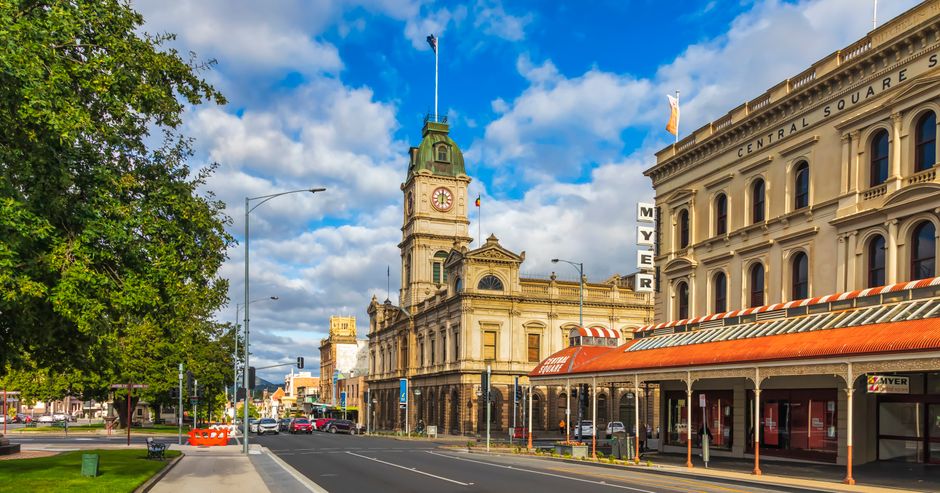
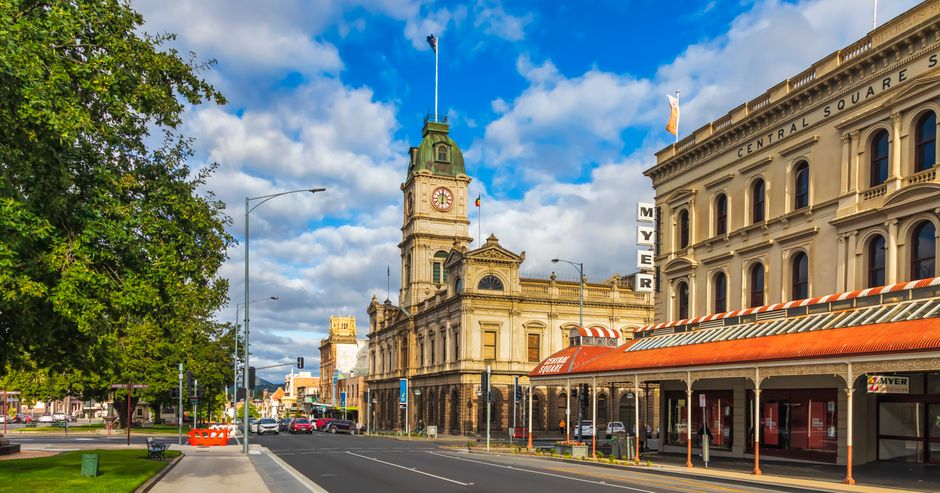
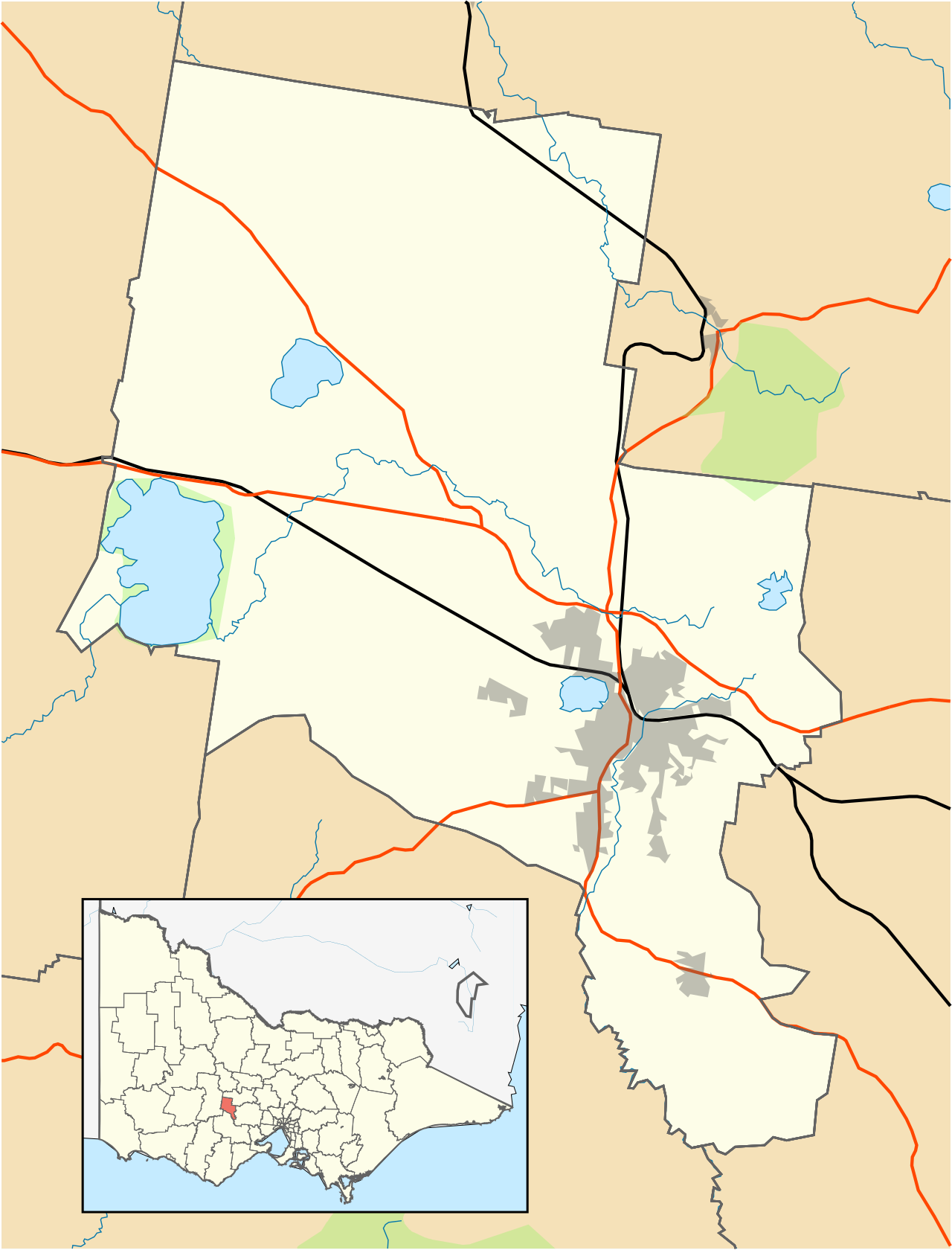
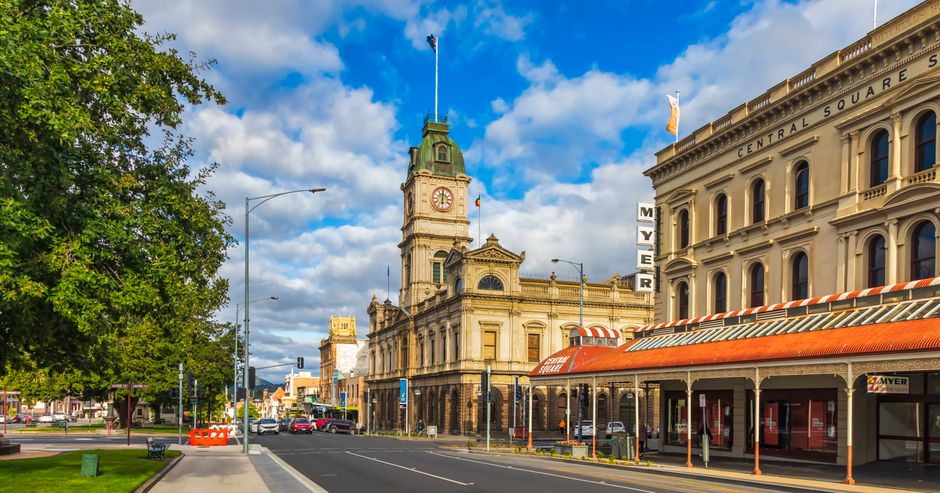
Alfredton is experiencing a quiet but significant transformation that has caught the attention of both owner-occupiers and property investors seeking value in Ballarat's outer growth zones.
Once regarded as a dormitory suburb on the city's western fringe, Alfredton is now benefiting from coordinated infrastructure spending that is fundamentally altering its appeal. The completion of the Stage 2 bus rapid transit corridor along Mountain View Road has slashed commute times to Ballarat CBD and regional employment hubs, while simultaneous investment in the Alfredton Town Centre precinct—anchored by a major discount department store and expanded medical services—has created a genuine local economy beyond residential dependence.
Property values reflect this shift. Median house prices in Alfredton have climbed to approximately $455,000 over the past 18 months, representing 8 per cent annual growth against a Victorian state median of $510,000. For investors, the rental yield profile is equally compelling: three-bedroom brick veneers on 600-square-metre blocks are achieving $320–$340 per week, translating to a gross yield of 3.8–4.2 per cent—well above Melbourne's softer rental returns.
The Alfredton Primary School catchment expansion and the announcement of a new secondary college campus scheduled for 2028 have triggered sustained buyer interest from young families previously priced out of closer suburbs like Lake Wendouree, where median values now exceed $625,000. Real estate agents report multiple offer scenarios on stock listed below $500,000, a rarity in outer suburban Ballarat markets.
Infrastructure timing appears critical. The Rowells Road intersection upgrade, completed in April, has eased congestion into the town centre, while the Master Plan for Alfredton Reserve—a 45-hectare recreation precinct—promises upgraded sporting facilities and a community hub that will anchor weekend activity.
For investors navigating Ballarat's slower-moving auction market—Melbourne overflow demand remains steady but selective—Alfredton presents a credible alternative to heritage appreciation plays in central suburbs or speculative bets on more distant growth pockets. The combination of tangible infrastructure delivery, school capacity, and rental demand creates a lower-risk entry point.
Market conditions remain patient rather than frenetic. Properties linger longer than pre-2024 cycles, allowing thorough due diligence. However, the infrastructure narrative is attracting serious money, and agent feedback suggests the best-positioned stock—within 2 kilometres of the new town centre and transit hub—will not remain undervalued for much longer.
This article was compiled by AI from the sources linked above and screened before publishing. See our editorial standards.