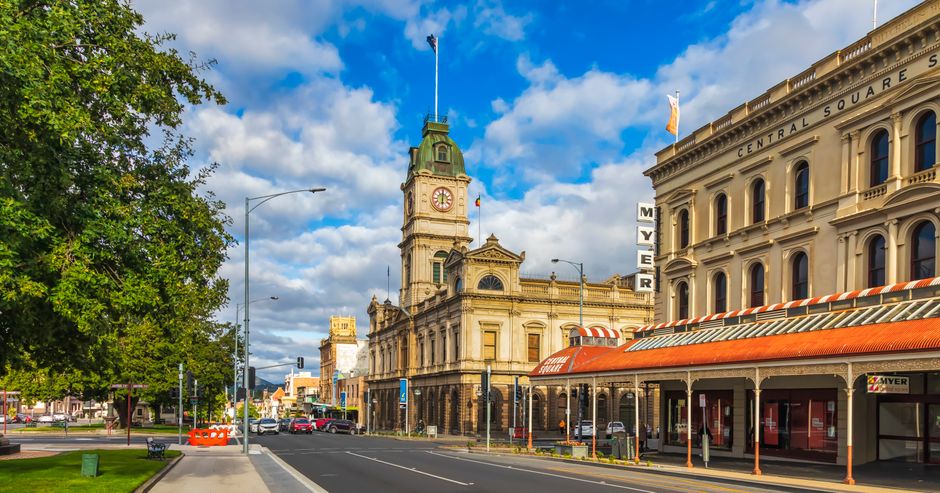
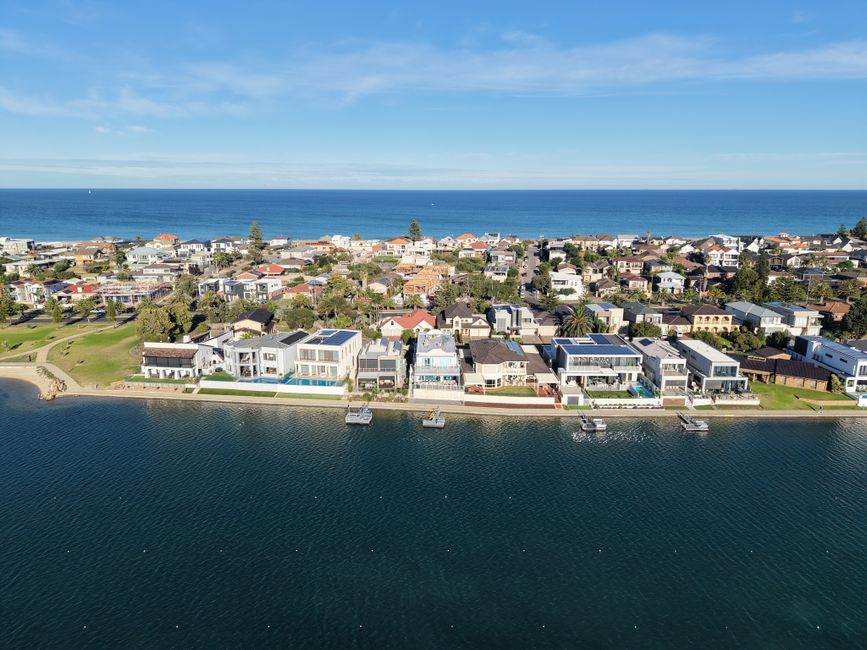
Ballarat's property market has reached an inflection point. With Victorian medians hovering near $510,000 and local prices climbing steadily—particularly around Lake Wendouree's premium precinct—renters face an uncomfortable reality: homeownership feels increasingly distant. But a growing alternative is quietly reshaping how tenants approach housing security in our city.
Build-to-rent (BTR) developments represent a fundamental shift from the traditional landlord-tenant model. Unlike conventional rental properties scattered across suburbs like Alfredton and East Ballarat, these purpose-built complexes are designed, financed, and managed specifically for long-term renters. They're not investor portfolios; they're residential communities.
The appeal is tangible. BTR schemes typically offer lease terms of three to five years—a stark contrast to the six-month uncertainty that characterises much of Ballarat's private rental stock. Tenants know where they stand. Rent increases are predictable and capped. Maintenance requests don't disappear into a black hole of unresponsive landlords. Common spaces—gyms, gardens, co-working areas—foster community in ways a dispersed investor portfolio never could.
Consider the economics. A modest three-bedroom home near Sturt Street might rent for $350–$400 weekly, yet cost $580,000 to purchase. A young family paying $20,800 annually in rent faces a stark gap between present reality and future ownership. BTR developments typically price at 15–20 per cent below comparable private rentals while bundling utilities, maintenance, and amenities into transparent monthly costs. The financial stress eases. Savings become possible again.
Victoria's BTR sector is nascent but growing. Institutional investors—superannuation funds, REITs, international capital—are recognising Ballarat's appeal: a lifestyle destination with Melbourne overflow demand, strong regional employment around the hospital precinct, and genuine community appeal. These aren't speculative plays; they're patient capital seeking stable, long-term yields.
For Ballarat renters, the implications are significant. BTR developments won't solve affordability overnight, but they offer something equally valuable: dignity and predictability. No more landlords entering without notice. No more arbitrary evictions to facilitate renovations or sales. No more competing in bidding wars against dozens of applicants for a three-bedroom weatherboard near the Botanic Gardens.
The question isn't whether BTR will transform Ballarat's rental landscape—demand suggests it will. The question is whether planning councils and local government will facilitate these developments swiftly enough to meet the need. For renters tired of precarity, the answer cannot come soon enough.
This article was compiled by AI from the sources linked above and screened before publishing. See our editorial standards.