The affordability squeeze facing Ballarat renters has never been more acute. With median house prices hovering near $510,000 and deposit requirements beyond reach for many working families, the case for renting—once seen as a temporary stepping stone—is shifting into a long-term reality for thousands of locals.
Enter build-to-rent developments. Unlike conventional rental stock scattered across suburbs like Alfredton and Sebastopol, these purpose-built complexes are designed from the ground up for permanent tenancy, offering stability and amenities that traditional landlord-tenant arrangements rarely match.
"Build-to-rent is fundamentally different," explains property analyst feedback from recent industry moves. These developments typically feature fixed-term leases of three to five years—a radical departure from the month-to-month uncertainty Ballarat renters know too well. No sudden termination notices. No ad-hoc rent increases. Instead, predictable housing costs aligned with household budgeting.
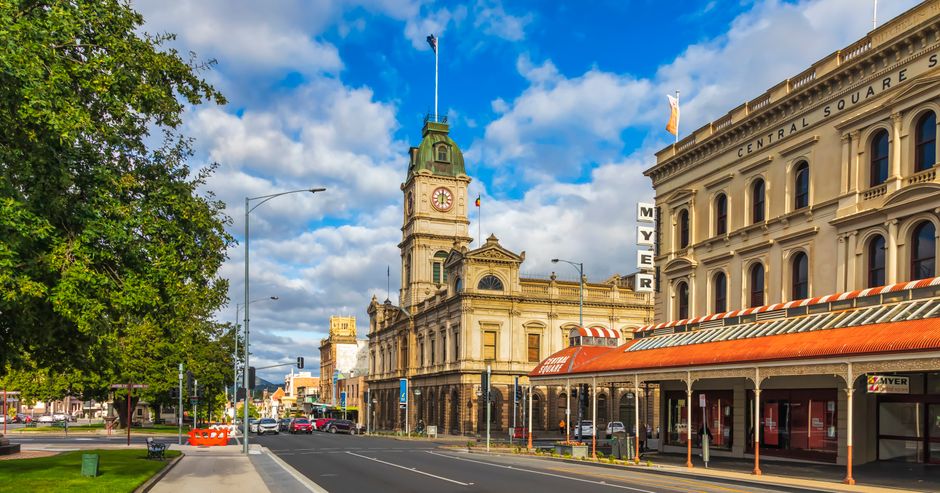
Ballarat's growth corridors, particularly around the Alfredton precinct near the Ballarat Base Hospital and retail precincts along Sturt Street, are prime candidates for this model. Proximity to employment hubs, schools, and services—whether the botanical gardens near Lake Wendouree or local shopping centres—makes mixed-use development sites increasingly attractive to institutional investors backing these schemes.
Beyond tenure security, build-to-rent typically bundles amenities: communal gardens, childcare facilities, co-working spaces, and maintained common areas. For a household renting a two-bedroom apartment in a central location, monthly costs might sit $350–$450 below comparable house rental, without sacrificing quality or security.
The national context matters here. Melbourne's overflow buyers—pushed out of the capital by median prices exceeding $700,000—are landing in Ballarat seeking both affordability and lifestyle. Build-to-rent developments capture this demographic while creating housing supply for local workers who might otherwise exit the region.
However, Ballarat's rental market hasn't yet seen large-scale institutional build-to-rent projects. The model thrives in markets where yield-seeking investors see long-term returns, and where population density justifies the upfront capital outlay. Ballarat sits at an inflection point: affordable enough to retain renters, yet expensive enough to make development pencil out.
For tenants priced out of ownership, build-to-rent offers a third path: not the precarity of traditional rental, nor the overextended finances of forced homeownership, but planned, secure, community-focused housing. As affordability pressure mounts across regional Victoria, Ballarat's property market may soon discover what Melbourne and Sydney renters are already learning—that renting, when done right, needn't feel like a failure.
This article was compiled by AI from the sources linked above and screened before publishing. See our editorial standards.