As Ballarat's median property price hovers around $510,000 and Melbourne overflow buyers continue filtering into suburbs like Alfredton and Lake Wendouree, a quieter but compelling investment trend is emerging: disability housing backed by the National Disability Insurance Scheme (NDIS).
The NDIS, which guarantees funding for eligible participants' supported accommodation needs, has transformed disability housing from a charitable venture into a predictable, long-term investment vehicle. For Ballarat landlords, this means stable tenancies, government-backed rent payments, and properties specifically modified to suit participants' needs.
"NDIS-funded accommodation typically locks in annual indexation," explains Marcus Chen, property strategist at a Melbourne-based disability housing advisory firm. "In Ballarat's current market, a modest three-bedroom house in suburbs like Sebastopol or Canadian could generate $1,200–$1,500 weekly through disability housing providers, regardless of broader market volatility."
How it works: Landlords lease properties to registered NDIS accommodation providers—organisations licensed to operate group homes or supported independent living arrangements. The scheme covers participants' rent and care costs. Providers vet properties, manage tenancies, and handle compliance. Owners receive indexed, regular payments.
Local appeal is undeniable. Ballarat's proximity to Melbourne, established healthcare infrastructure (including Ballarat Health Services on Drummond Street), and community networks make suburbs like Wendouree and East Ballarat attractive to disability accommodation providers seeking multi-unit or cluster options.
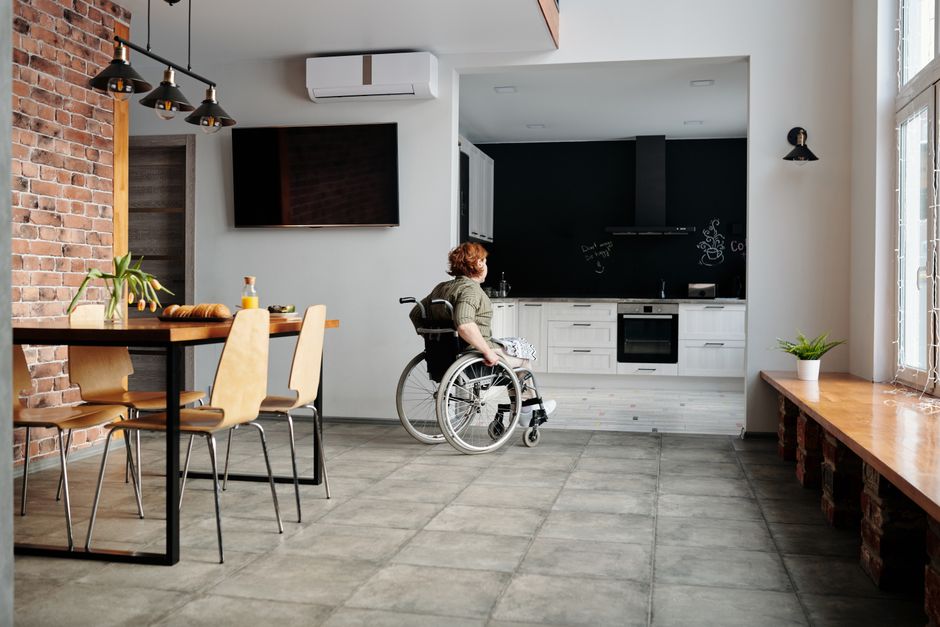
The investment landscape does carry considerations. Properties typically require modifications—accessible bathrooms, ramps, safe garden fencing—adding $15,000–$40,000 upfront. Tenancy agreements differ from standard residential leases; disputes involve NDIS regulatory channels. And demand fluctuates by region and participant cohort.
Tax implications favour investors: depreciation schedules, maintenance write-offs, and income consistency improve cash flow predictability. However, properties often remain leased long-term, limiting capital gains from resale.
For Ballarat investors eyeing alternatives to volatile short-term rental or overcrowded family housing markets, disability housing offers philosophical and financial alignment. As first-home buyers face increasing exposure in premium areas like Lake Wendouree, institutional investors increasingly recognise NDIS accommodation as recession-resistant.
Prospective investors should consult accountants familiar with disability housing taxation, connect with registered NDIS providers operating in Ballarat, and conduct due diligence on local demand. The Ballarat City Council planning department can clarify zoning and modification approval pathways.
The sector remains underexplored locally, but demographic trends—Australia's ageing disability population, scheme expansion, and housing undersupply—suggest Ballarat's disability investment market will mature significantly over the next three years.
This article was compiled by AI from the sources linked above and screened before publishing. See our editorial standards.