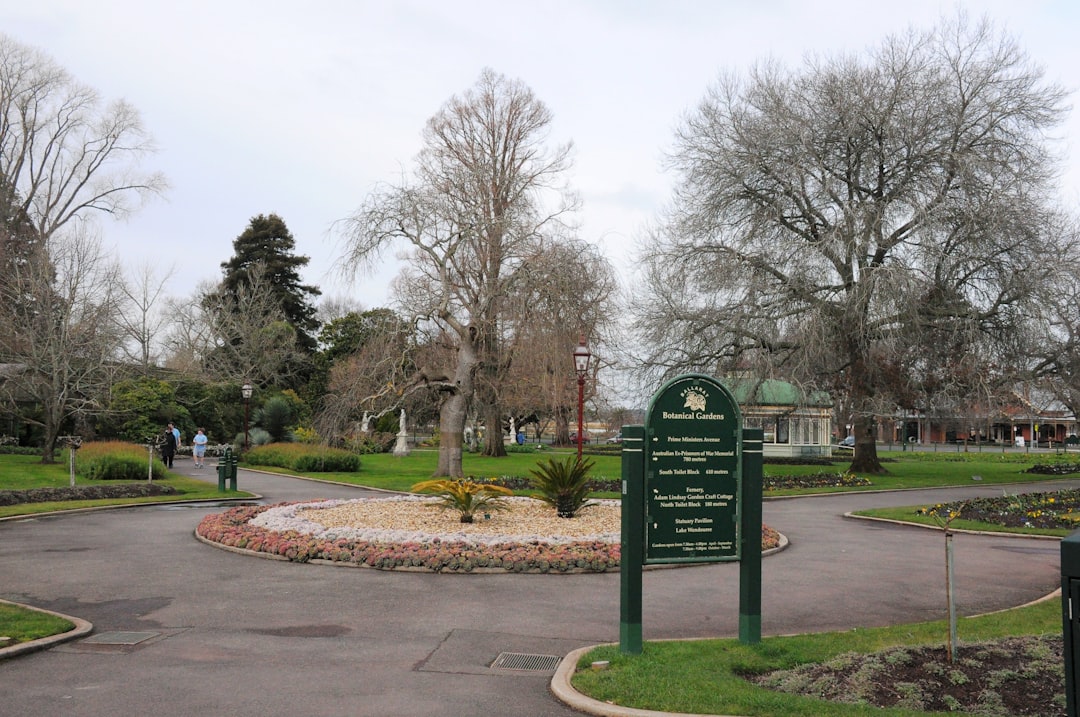
Ballarat's property market has shifted dramatically in recent years, with Melbourne overflow buyers and interstate investors driving median prices toward $510,000. Yet this growth has triggered a fault line: ambitious development plans now face organised community opposition, revealing deep disagreement about the region's future.
The tension crystallised recently around proposals in established suburbs like Alfredton and near the Lake Wendouree precinct, where several new residential and mixed-use projects have drawn local petition campaigns and council submission surges. Understanding both viewpoints is essential to navigating Ballarat's planning landscape.
Residents opposing developments cite traffic congestion, parking strain, and strain on existing services—schools, medical clinics, and water infrastructure. In areas like Alfredton, where the growth corridor has already reshaped street character, locals worry new multi-storey buildings will overshadow heritage properties and overwhelm local shopping precincts designed for lower density.
"We're not anti-development, but we want it done thoughtfully," said representatives from a community group opposing a mid-rise scheme on Sturt Street. Concerns also extend to green space loss and loss of neighbourhood identity as character Victorian and Edwardian homes give way to contemporary units.
The Developer's Case
Property professionals counter that Ballarat faces a housing shortage. With younger buyers priced out of Melbourne and retirees seeking regional alternatives, they argue the city must densify strategically or miss economic opportunity.
"Alfredton's growth corridor was zoned and master-planned for exactly this purpose," one developer said. "If we don't build here, Melbourne's sprawl continues further west, and Ballarat stagnates." They point out that new apartments and townhouses near transport, schools and shopping precincts reduce car dependency and revitalise ageing town centres.
Developers also emphasise they're subject to rigorous planning assessment, heritage overlays, and traffic impact studies—not building on a whim.
Finding Middle Ground
Ballarat City Council faces mounting pressure to balance growth with liveability. Some proposals now include community benefit packages—public realm improvements, open space contributions, or traffic management investments—designed to win over sceptical locals.
The reality is neither side is entirely wrong. Ballarat does need housing diversity to remain competitive and affordable. Communities also deserve consultation and protection of amenity that makes the region attractive in the first place.
As more developments move through the planning system over the next 18 months, expect this debate to intensify. The challenge for Council and developers alike is proving that growth and community character can coexist.
This article was compiled by AI from the sources linked above and screened before publishing. See our editorial standards.