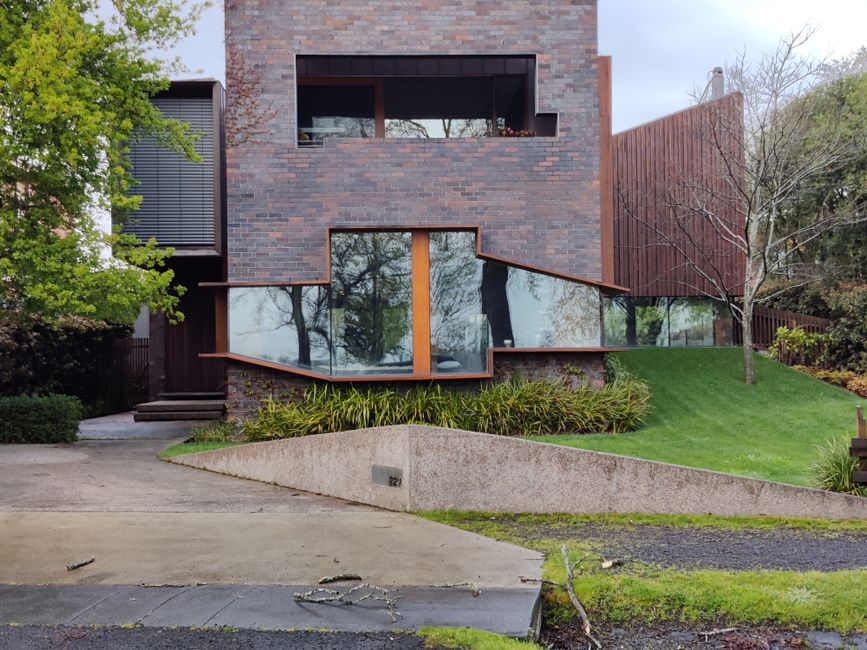
For property investors across Ballarat's booming growth corridors—from the heritage character homes of East Ballarat to the newer builds in Alfredton—a depreciation schedule isn't just paperwork. It's the difference between claiming a modest tax deduction and unlocking five or six figures in legitimate write-downs over a decade.
A depreciation schedule is an independent assessment that quantifies how much value your investment property loses each year through wear and tear. The Australian Taxation Office allows investors to claim this depreciation as a deduction against rental income, even though no cash leaves your account.
Take a typical Ballarat investment scenario: a $420,000 heritage-listed property near Lake Wendouree, or a newer $385,000 townhouse in the Alfredton growth corridor. Both contain plant and equipment—kitchens, bathrooms, hot water systems, carpets, fixtures—that legally depreciate. A professional schedule might identify $15,000 to $25,000 in depreciable assets alone in year one, depending on the property's age and condition.
For an investor in the 37% tax bracket, that's $5,550 to $9,250 in tax savings in a single year. Over ten years, without reinvestment, the total could exceed $50,000.
The catch: you need a formal depreciation schedule prepared by a registered quantity surveyor or specialist valuer. These typically cost $400 to $800—a modest investment that pays for itself within the first few months of tax benefit.
Ballarat's property market, buoyed by Melbourne overflow buyers seeking value near regional services and the cultural appeal of venues like Her Majesty's Theatre, has seen investor activity surge. The median sits around $510,000 across Victoria, making Ballarat's entry point increasingly attractive for portfolio builders.
Yet many local investors—particularly first-time landlords—either don't know about depreciation schedules or assume they're too complicated. This is expensive ignorance. The ATO explicitly encourages their use, and your accountant can factor the deduction into your annual return with the supporting schedule in hand.
The schedule also becomes crucial if you sell. It reduces your capital gains tax position by accounting for accumulated depreciation, though you'll face depreciation recapture on building improvements claimed after 1985.
For Ballarat's growing cohort of rental property owners—whether managing a period property on Sturt Street or a modern investment in the northern suburbs—obtaining a depreciation schedule should be a first-year priority. It's one of the few tax deductions that costs almost nothing to access and returns genuine value to patient investors.
Speak to a quantity surveyor or property tax specialist. Your future tax bill will thank you.
This article was compiled by AI from the sources linked above and screened before publishing. See our editorial standards.