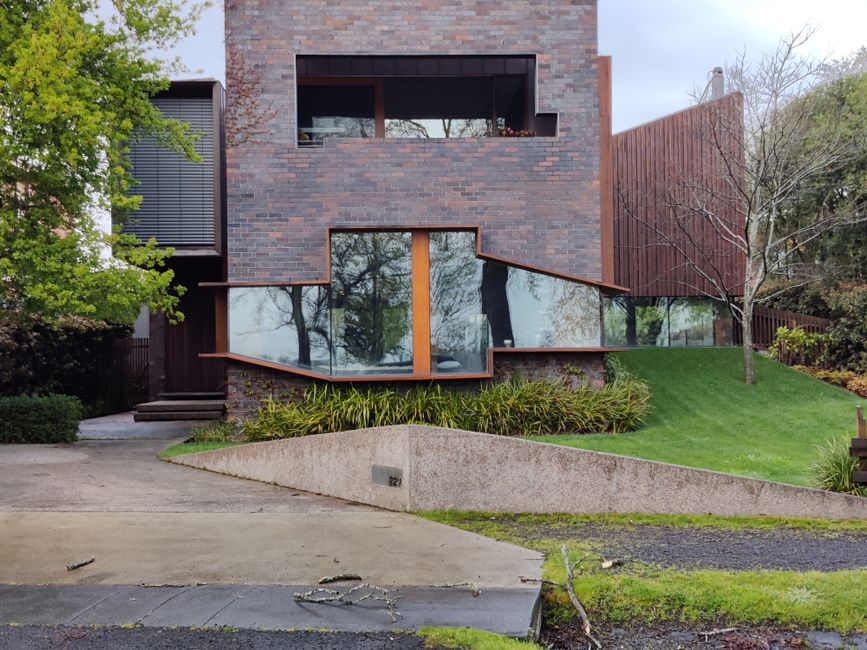
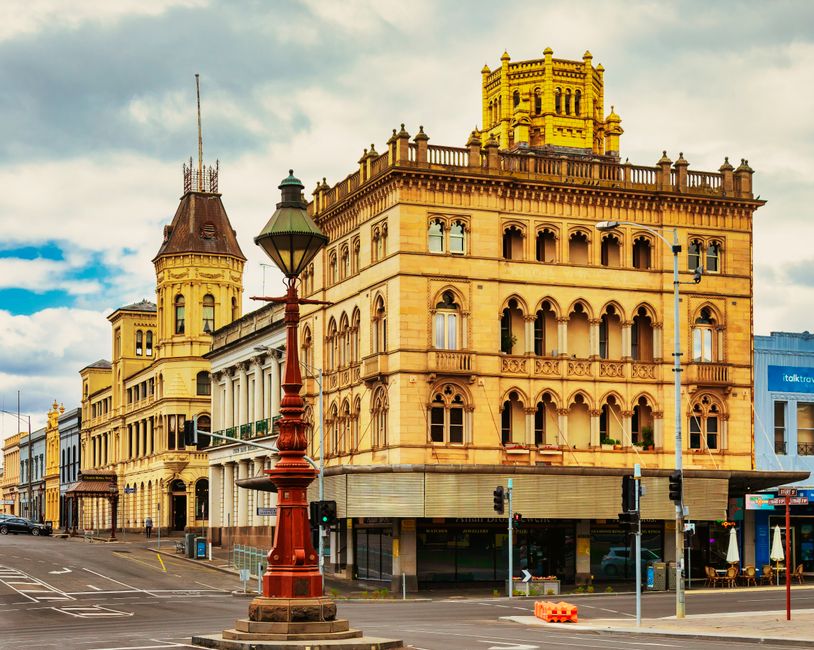
Ballarat's property landscape is shifting. While median values across Greater Ballarat hover near $510,000, savvy investors and demographers are watching early gentrification indicators in specific pockets—signs that suggest the next wave of suburb transformation.
The Alfredton growth corridor has become a textbook case. School-adjacent properties on streets like Nolan Street and Pontac Road have attracted young families fleeing Melbourne's outer sprawl, with recent sales touching $620,000–$680,000. The suburb's proximity to quality schools and easy freeway access mirrors the Melbourne overflow pattern now entrenched across regional Victoria. More telling: local cafés, fitness studios and independent retailers are clustering along Main Road in ways unseen five years ago.
Lake Wendouree's premium positioning—already established—continues reinforcing itself. Heritage-listed Victorian homes around Ballarat High School and the lakefront parks command premiums of 15–20% above broader Ballarat averages. Recent renovations of Edwardian-era properties signal confidence among downsizers and lifestyle buyers. The suburb's cultural infrastructure (galleries, lake walks, dining options) acts as a gentrification accelerant.
But the real early warning signals are emerging in previously overlooked inner suburbs. Golden Point and Sebastopol—traditionally working-class—show classic pre-gentrification markers: artists and young renters arriving first, followed by sympathetic renovations. Street art, pop-up markets near the Botanical Gardens precinct, and the emergence of second-wave independent businesses suggest property investors are pricing in future uplift. Properties on streets like Sturt and Lydiard that sold for $380,000–$420,000 just 24 months ago now attract interest from buyers willing to pay $480,000+.
Heritage character is accelerating the process. Ballarat's federation and Victorian housing stock appeals to buyers fatigued by modern sprawl. As prices in established Ballarat postcodes rise, first-time buyers and owner-occupiers are trading down the supply chain into adjacent suburbs—dragging values upward in predictable waves.
Property managers report rental demand intensifying in these edge suburbs, particularly from professionals working hybrid arrangements who can afford $400+ weekly rent but reject newer outer estates. Increased rental competition signals investor confidence—typically the strongest gentrification predictor.
The Ballarat formula is straightforward: proximity to lakes, schools and CBD; heritage charm; rental yields climbing toward 4–5%; and an expanding pool of Melbourne-adjacent buyers. Suburbs showing multiple indicators—rising rents, renovation activity, new hospitality offerings, and young professional migration—are entering measurable gentrification cycles. For property watchers, these aren't speculative trends. They're demographic and economic forces reshaping Ballarat's inner ring.
This article was compiled by AI from the sources linked above and screened before publishing. See our editorial standards.