Changes to Victoria's Environment Protection Act, rolling out from September 1, will require all gold-mining operations within the Ballarat region to submit quarterly groundwater-quality reports to the EPA, replacing the previous annual self-reporting system. The new regulations, published by the EPA in June, apply to every operational mine and exploration site in the Central Goldfields region, including the Ballarat East and Tarnagulla fields, covering about 120 active licences.
The government says the tighter rules are a direct response to a 2025 EPA audit that found trace levels of arsenic and mercury in three of 22 test bores near recreational waterways at Creswick Creek and the Yarrowee River. The audit, tabled in the Victorian Parliament in March, did not link any contamination to specific mining operations but noted that 'cumulative impacts from historic and current extraction sites warrant increased monitoring frequency'.
Water-use caps for industrial operations
Separately, from October 1, the Central Highlands Water Authority will impose annual water-extraction caps of 50 megalitres per site on all non-agricultural industrial operations drawing from the Ballarat groundwater system, covering metal recyclers, quarries and food processors in the Wendouree West and Sebastopol industrial estates. The cap, set out in the 2026-27 State Water Plan, represents a 15% reduction on the current average annual extraction across those zones.
Central Highlands Water has estimated that 18 businesses in the Ballarat council area currently exceed the new cap, based on 2024-25 usage data. One of those businesses, a quarry operator in Mount Clear, has already advised the council it will need to invest in recycling infrastructure to avoid reducing production. The authority is offering a $25,000 rebate, available until December 2027, to help eligible businesses install closed-loop water systems.
What the changes mean for household bills and local jobs
The EPA has projected that compliance costs for mining operators will average $85,000 per site annually, largely for laboratory testing and consultant hydrogeologists. Industry analysts note that these costs are likely to be passed on to downstream consumers, including the Ballarat-based construction sector, where several major housing projects in Alfredton and Lucas are awaiting mined aggregate supply. The Master Builders Association of Victoria has warned that a 5-8% cost increase to local aggregate is 'plausible' if multiple operators pass on the full testing expense.
On water, the state government says the caps aim to protect the lower Moorabool River catchment, which supplies about 40% of Ballarat's household drinking water. Central Highlands Water data from 2025 shows the catchment fell to 62% of its long-term average flow in the past three years, the lowest level on record, according to the authority's annual report. The new caps, officials say, are designed to keep industrial extraction at least 30% below the sustainable yield figure agreed with the federal Murray-Darling Basin Authority for the shared system.
Local resident advocates have raised concerns about the potential impact on small businesses in the Wendouree West precinct, where the Heritage Furniture factory draws 35 megalitres a year for timber processing. The factory's owner told the council's economic development committee in June that retrofitting to meet the cap would cost around $180,000, money the business says it doesn't have. The council has asked Central Highlands Water to consider longer phase-in periods for businesses that can demonstrate hardship, but the authority has yet to respond.
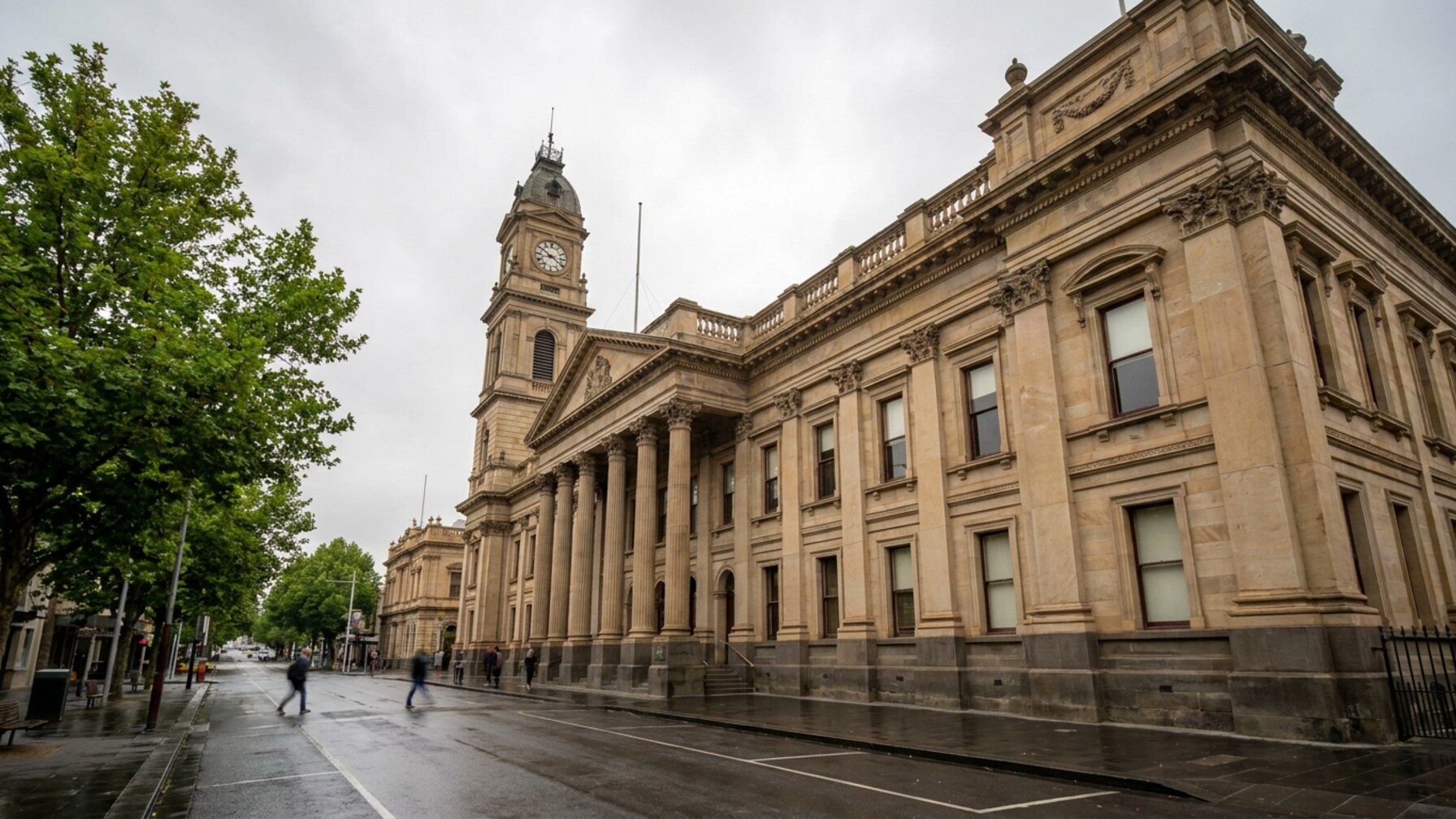
What happens next: The regulations will be enforced from September 1 for mining and October 1 for water caps. The EPA has scheduled a public briefing at Ballarat Town Hall on August 12. Ballarat City Council is due to consider a motion at its August meeting seeking a one-year transition exemption for businesses employing fewer than 20 people.
About this article●Beta
Published by The Daily Ballarat
Covering politics in Ballarat. This article was generated by AI, under human editorial accountability and risk-based review and our reasonable editorial care. Sensitive material is held for human review before publication. See our reasonable editorial care.
Beta: AI-assisted and human-overseen. Details may be imperfect, so please verify anything important.