Melbourne's economy posted its strongest December ever in 2025, with spending hitting levels the City of Melbourne says it has never recorded before. For Ballarat, 105 kilometres up the Western Highway, the question is what that momentum means for a regional city that relies heavily on its own retail strip, hospitality sector and weekend visitor economy.
The Melbourne Economy Snapshot, published by the City of Melbourne in March 2026, shows retail vacancy rates across the municipality continuing to fall. Reactivated shopfronts are up 13.5 per cent. Retail and hospitality sectors created almost 6,400 jobs across the local economy. Foot traffic on Bourke Street Mall rose nearly 40 per cent in 2025.
The Ballarat connection
Ballarat's economy is not Melbourne's, but the two are bound by commuting patterns, supply chains and a shared visitor market. When Melbourne's CBD is pulling record spending, it tends to draw day-trippers and discretionary dollars away from regional centres. Conversely, when Melbourne's retail vacancy falls and its hospitality sector expands, regional businesses that supply goods, services or weekend experiences face a more competitive environment.
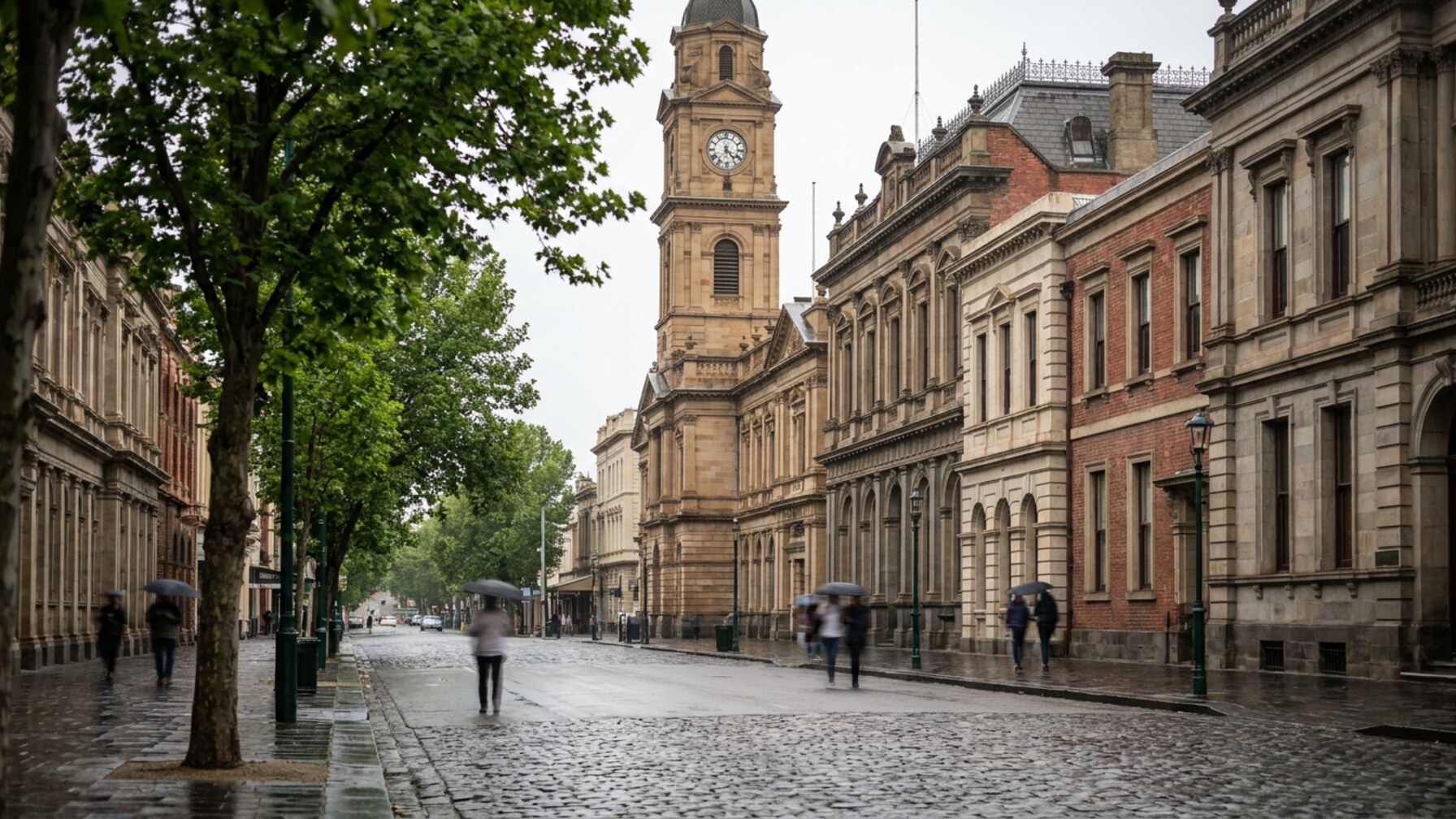
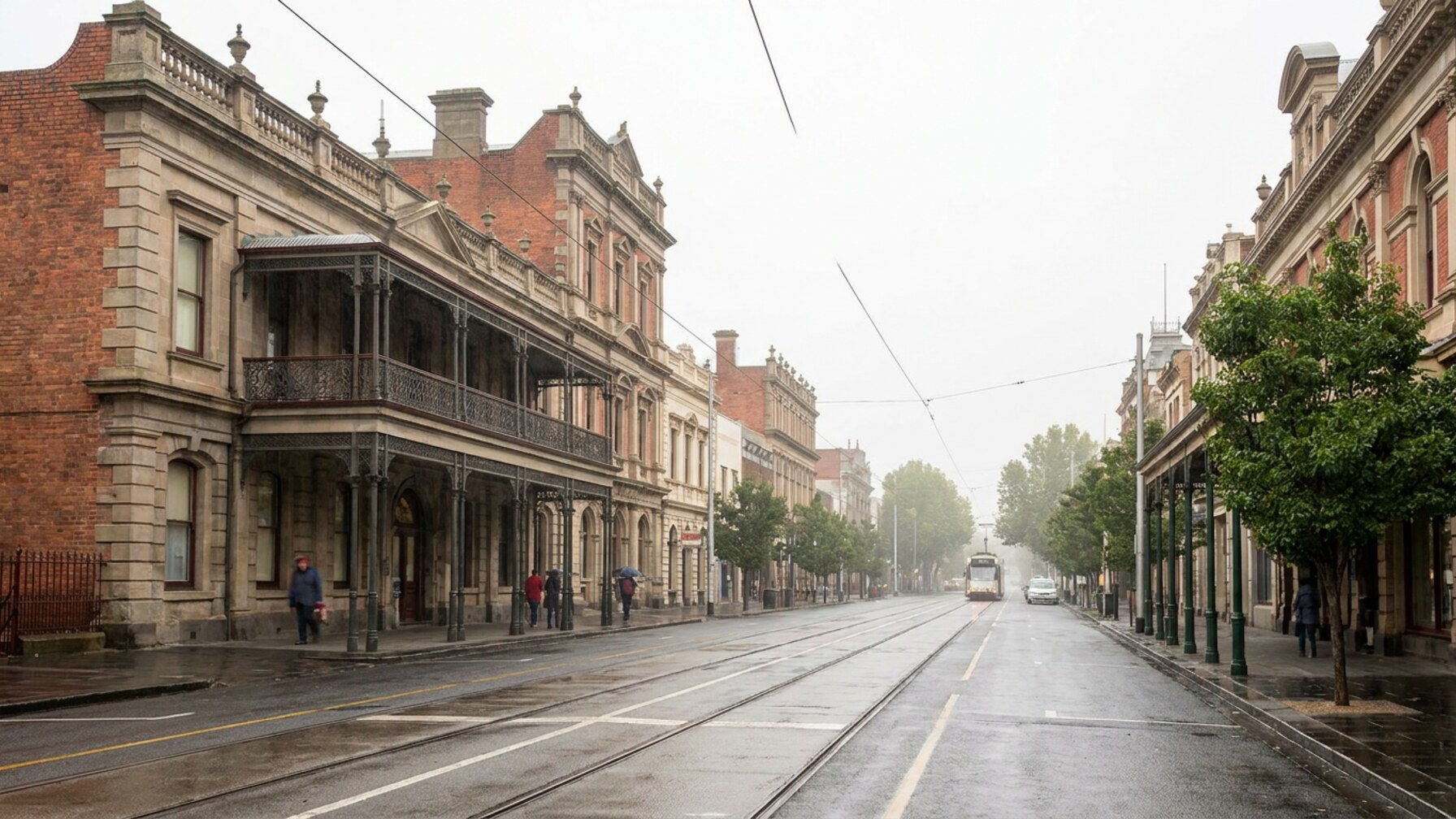
Sturt Street, Bridge Mall and the surrounds of the Mining Exchange remain Ballarat's primary retail and hospitality zones. Local business operators are watching Melbourne's data closely. The snapshot's finding that warmer weekdays encourage higher spending during twilight trade hours, noted in the November 2025 edition, has direct relevance for Ballarat cafes and restaurants that extend evening service during summer.
Key decisions ahead for local operators
The City of Melbourne's Economy Snapshot is designed as a free seasonal activity guide to help businesses align opening hours, rosters and services with city trends. The March 2026 edition broke down weekday, weekend and night-time activity patterns. For Ballarat businesses, the same logic applies, but the data is local and less formalised.
Decisions confronting local operators include whether to extend weekend evening trading to capture visitors returning later from Melbourne; whether to invest in reactivating vacant shopfronts on Bridge Mall, where several premises remain empty; and how to position the city as a distinct alternative to Melbourne's CBD shopping precinct, which the snapshot notes is the number one choice for international and domestic overnight visitors to Victoria.
Queen Victoria Market, cited in the March 2025 edition of the snapshot as the second-most popular drawcard for international visitors, competes with Ballarat's own much-loved Art Gallery, the Gold Museum at Sovereign Hill and the Lake Wendouree foreshore for tourist attention. Ballarat's challenge is to convert Melbourne's success into its own opportunity rather than being overshadowed by it.
Neighbourhood spend trends
The snapshot's Neighbourhood Spend Trends, referenced in the November 2025 edition, showed strong visitor spending across the CBD, especially in retail and entertainment. For Ballarat, the equivalent data would cover the central shopping district around Sturt Street and the new civic precinct near the Town Hall. Small business owners in the city's east, around Eureka Street and the University of Ballarat area, face different foot-traffic patterns again.
The Business Concierge service run by the City of Melbourne, described in the March 2025 edition as the largest of its kind in the country, has engaged with tens of thousands of clients and contributed millions to the local economy. Ballarat's equivalent services, offered through the City of Ballarat and Regional Development Victoria, are smaller in scale but perform a similar function: helping new retailers navigate permits, leases and marketing.
What happens next for Ballarat's economy depends on four interlocking factors: the strength of Victoria's overall consumer spending through 2026; the ability of local retail and hospitality to fill vacant shopfronts; the success of tourism marketing that draws visitors from Melbourne for weekend stays; and the timing of capital projects such as the Ballarat GovHub precinct and any state funding for the Ballarat Health Services redevelopment.
The Melbourne Economy Snapshot offers a benchmark. Ballarat's own data, council rates, foot-traffic counts and business registration figures, will tell the local story. The decisions ahead are about timing, positioning and whether the city can capture a share of the spending that is now flowing through the state capital.