news
Ballarat Officials Detail Transport Funding and Service Reliability Decisions
Figures involved in regional matters describe considerations around transport reliability and service funding.
How we reported this
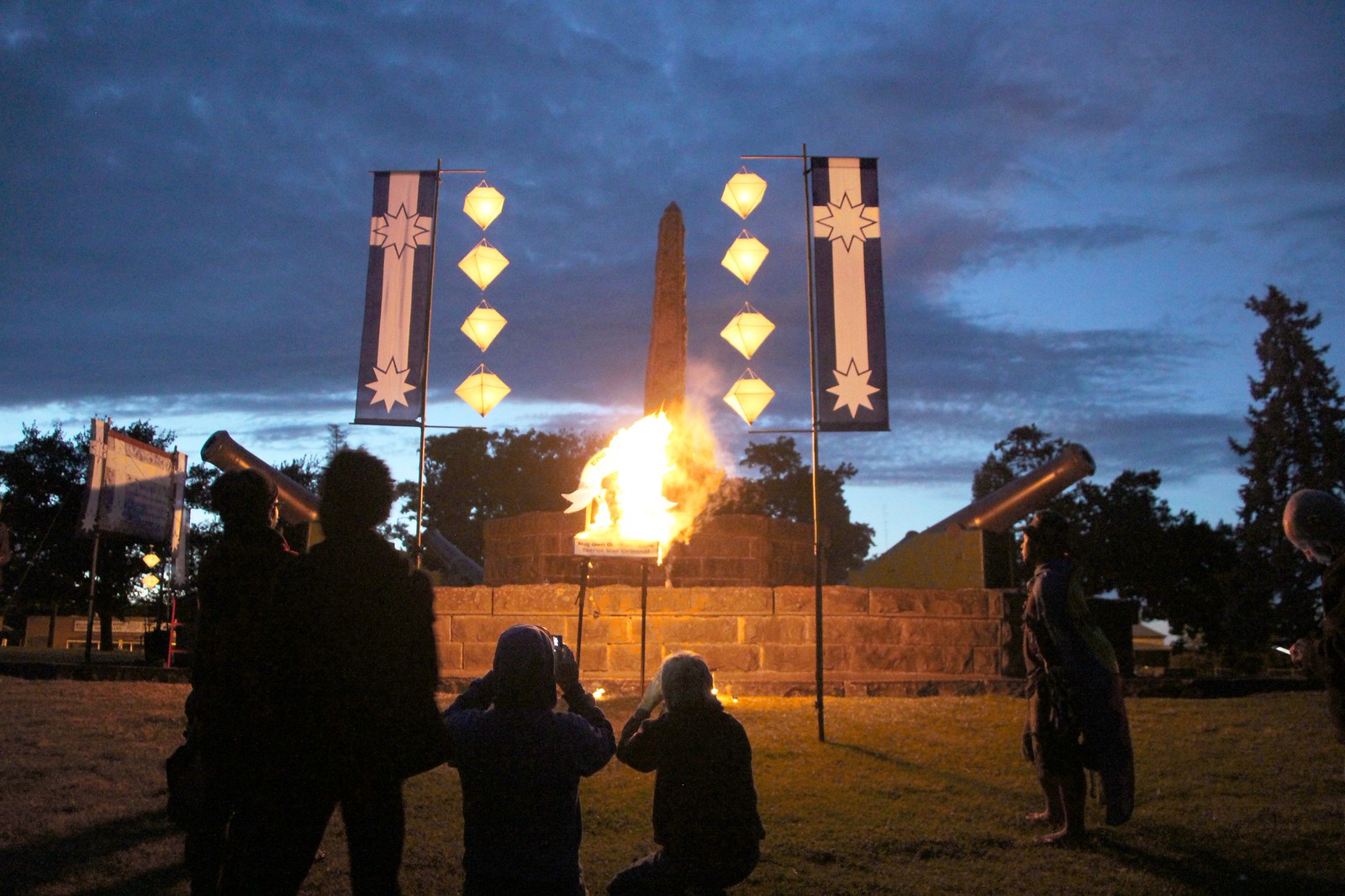
Officials and experts involved in central highlands matters have begun to share their assessments of choices before local government on transport and health services.
These comments arrive as regional rail frequency and reliability remain active topics for residents who rely on connections to Melbourne and surrounding areas. Local government handles portions of planning that affect daily commutes and access to employment. The timing aligns with broader state budget cycles that influence how funds reach smaller centres.
Comments on rail and transport planning
Transport specialists note that frequency improvements would ease pressure on peak services. They point to ongoing political discussion about reliability metrics that residents track through published performance reports. Experts describe the need for consistent timetables that reduce the use of replacement services during maintenance periods. One analyst referenced past patterns where delays clustered around certain corridors without naming exact routes.
Local government representatives have indicated they are reviewing submissions from community groups on these issues. Their statements emphasise coordination with state agencies rather than standalone projects. The approach focuses on incremental adjustments that fit within existing capital programs.
Input on health funding and tourism support
Health administrators have spoken about capital funding rounds for Ballarat Health Services. They stress that decisions on equipment upgrades and facility maintenance depend on clear state allocations. Experts in regional health planning highlight how delays in these rounds affect staffing models and patient flow.
Tourism operators connected to Sovereign Hill have also weighed in on grant processes for heritage sites. Their remarks centre on the role of cultural investment in sustaining visitor numbers through the quieter months. Officials note that gold heritage identity continues to shape funding applications submitted to local and state bodies.
Regional arts organisations have added their perspectives on cultural investment streams. They describe how grants support programming that draws from the area's history while meeting current audience expectations. These contributions remain part of wider consultations that local government uses to set annual priorities.
Further details are expected through standard council meeting agendas. Interested parties can review published minutes and contact their ward representatives for clarification on specific items under consideration.