Ballarat, Victoria’s central highlands regional centre, faces transport and traffic management challenges familiar to many mid-sized cities around the globe. While the city has not made headline-grabbing infrastructure expansions recently, its handling of transport hinges on balancing regional rail reliability, road traffic flow, and the preservation of its heritage identity.
Context: Why Transport Matters for Ballarat Now
Located about 100 kilometres west-northwest of Melbourne, Ballarat serves as a hub for the central highlands region. The city’s growth over recent years has intensified focus on how its road networks and public transport systems cope with increased traffic volumes. Reliable transport links are vital not only for daily commuters but also for sustaining tourism at destinations like Sovereign Hill, which depends on accessibility for visitors.
Ballarat’s Local Approach: Infrastructure and Identity
Unlike larger cities that push ambitious rapid transit projects, Ballarat’s strategies have thus far embraced pragmatic improvements. Ballarat Health Services has benefited from capital funding, but there remains no publicly documented major rail upgrades specific to the city as of mid-2026. The region’s road network, including arterial routes, is critical for residents and freight, while the frequency and reliability of public transport see ongoing review.
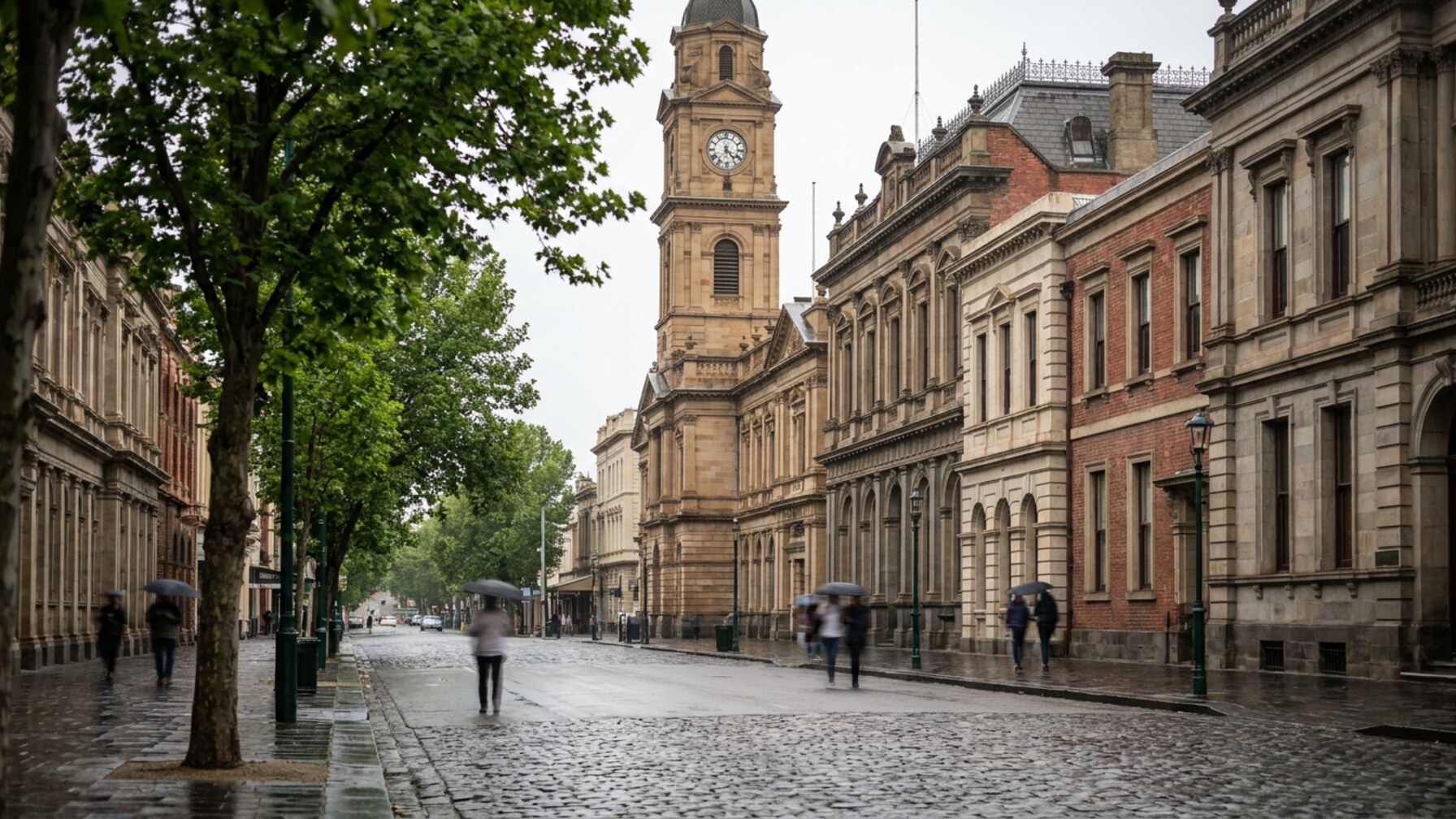
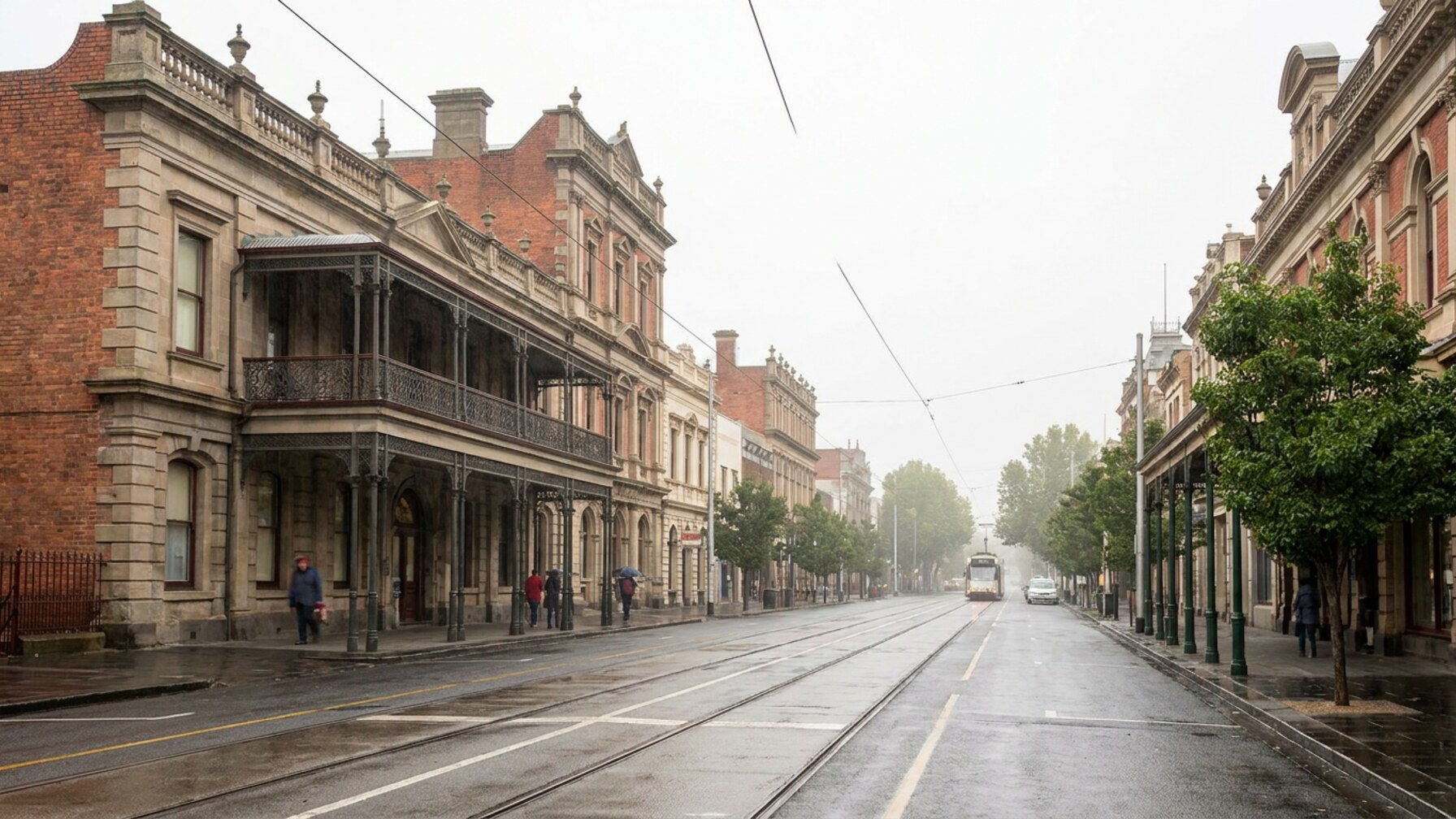
Meanwhile, Ballarat’s gold heritage and tourism depend on maintaining a balance between connectivity and conserving the city’s historic character. Investment in regional arts and culture adds to this delicate balance by enhancing liveability, which in turn influences transport needs and infrastructure usage patterns.
Evidence: Transport Realities Without Major Overhauls
In the absence of headline infrastructure announcements directly linked to Ballarat, qualitative evidence suggests the city manages transport challenges through incremental service improvements and community-focused planning. This approach echoes trends in comparable cities globally, where large-scale projects are often balanced against fiscal realities and local geographic considerations.
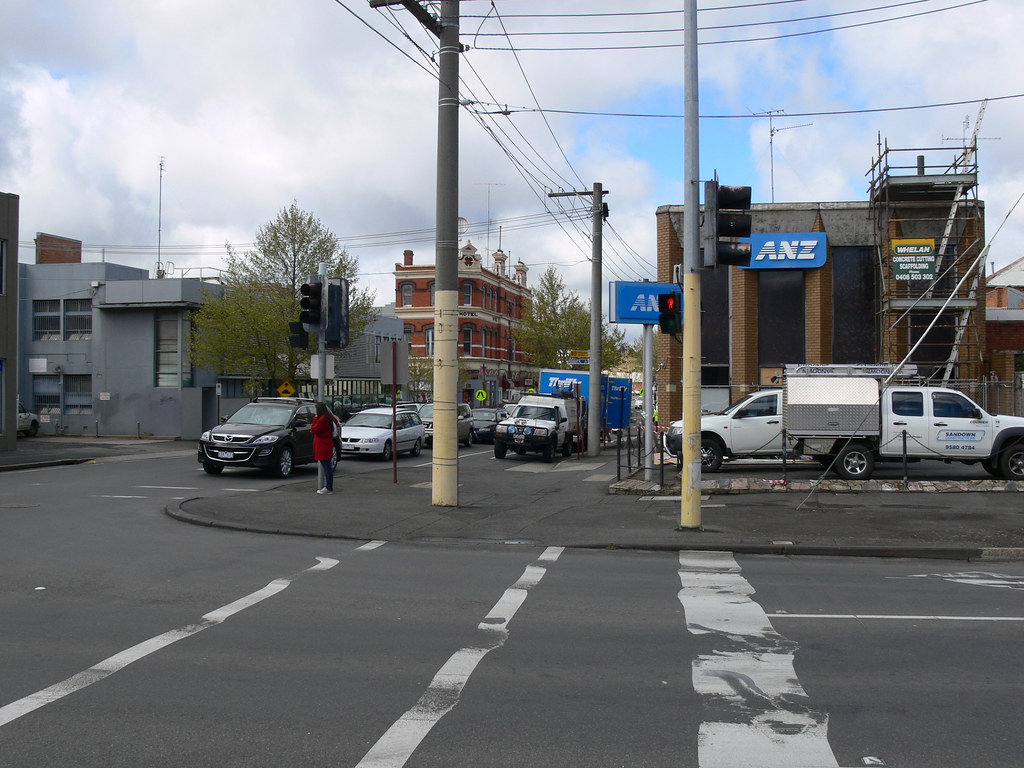
For example, the regional rail service's frequency and punctuality remain under scrutiny but show signs of gradual improvement, resonating with the Victorian government’s broader commitment to regional transport viability. Traffic on key routes reflects typical peak congestion without severe gridlock, suggesting an equilibrium that avoids some of the pressures faced by denser urban centres.
Public transport usage, road maintenance, and tourism accessibility remain focal points for local planners, but much of the progress is incremental and awareness that regional cities face unique constraints informs expectations for Ballarat’s transport system.
Outlook: What Locals Should Know
Residents and visitors to Ballarat can anticipate continued attention on transport reliability, especially rail services connecting to Melbourne and surrounding regions. Practical travel often depends on current rail timetables and road conditions rather than transformative infrastructure leaps.
Ongoing dialogue about regional rail frequency, road maintenance, and tourism-related transport will shape small-scale enhancements rather than dramatic shifts. Those using Ballarat’s transport networks should monitor official updates from local transport authorities and the Victorian government for any incremental service changes or infrastructure programs influencing daily travel.
In short, Ballarat’s transport handling mirrors that of many similar-sized regional cities globally-managing increasing demand through steady improvement while preserving local character and functioning within broader political and financial frameworks.