Ballarat Weighs Local Government Decisions Against Methods Used in Comparable Cities Abroad
Council processes in the central highlands city are examined alongside those of peer regional centres facing similar infrastructure and service pressures.
AI-assisted journalism under human editorial accountability and risk-based review. AI may assist with research, summarising and drafting. Where public source links underpin the article, they are shown below. Sensitive material is held for human review; some lower-risk material may be published automatically after sourcing, accuracy and safety checks. The Daily Ballarat covers Ballarat news. It is provided for general information only and is not professional, legal, financial, or medical advice. Read about our editorial care →
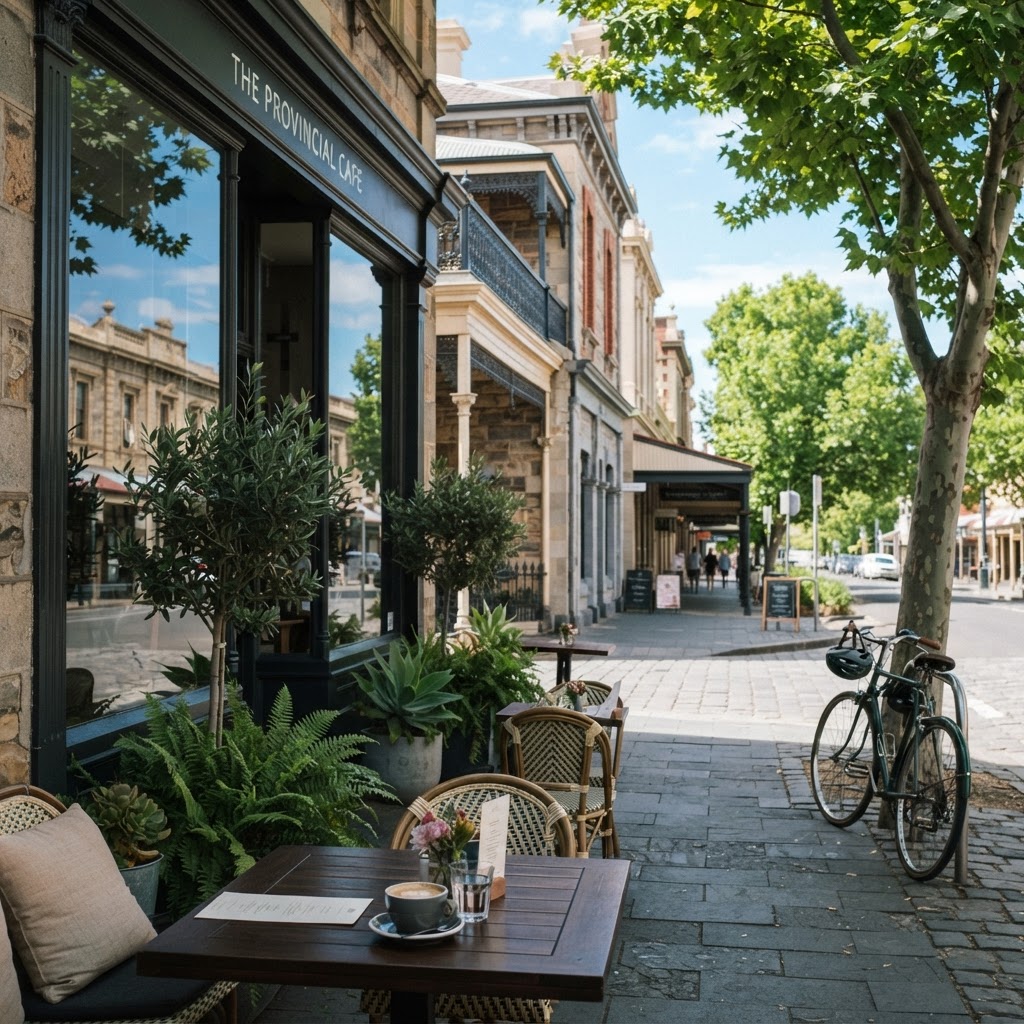
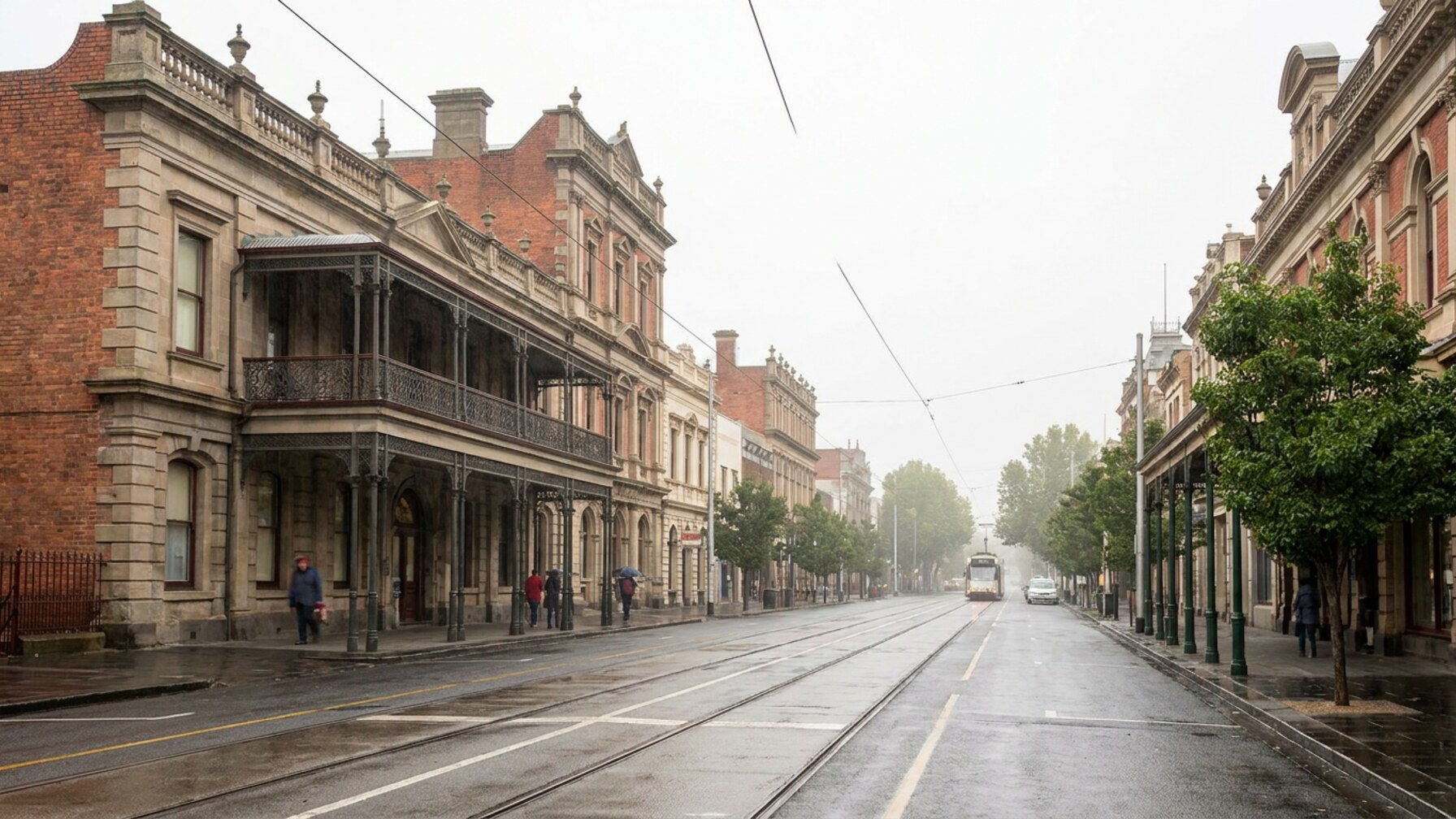
AI illustration
Ballarat council staff have begun mapping their current decision frameworks for transport and health funding against models operating in other mid-sized regional cities on three continents.
The timing follows repeated public complaints over rail reliability on lines serving the central highlands and questions about capital priorities at Ballarat Health Services. Local government decisions here affect daily commutes, hospital upgrades and tourism grants tied to Sovereign Hill, so any shift in method draws immediate attention from residents and businesses.
Regional rail and health service choices
Transport planning in Ballarat has long centred on frequency and reliability questions for the lines that connect the city to Melbourne and surrounding towns. Health capital bids compete with those same budget rounds, creating a recurring need to rank projects that serve both visitors and permanent residents. Similar cities overseas handle the same tension by publishing rolling five-year investment lists that residents can track against actual spending.
Ballarat has not yet adopted that level of public tracking. Instead, decisions still move through standard council cycles that do not always separate rail reliability metrics from broader tourism or arts grants. The result is a process that remains internally consistent but harder for outsiders to compare with outcomes reported by peer cities.
Next steps for residents and ratepayers
Anyone wanting to follow the review can attend the next ordinary council meeting where the planning department is scheduled to table an initial comparison document. Written submissions on rail and health priorities close at the end of the month and will feed into the same document before it returns for formal debate. Ratepayers can request the draft comparison through the council website once it is released to the public record.
Covering news in Ballarat. This article was generated by AI, under human editorial accountability and risk-based review and our reasonable editorial care. Sensitive material is held for human review before publication. See our reasonable editorial care.
Beta: AI-assisted and human-overseen. Details may be imperfect, so please verify anything important.
Spread the word
Share
Daily brief
Enjoyed this? Wake up to Ballarat news every morning.
The Ballarat local brief — free, every morning
Free daily Ballarat email brief. By subscribing you consent to receive it; unsubscribe anytime. Briefs are produced with AI assistance and edited by a human editor.