Ballarat commuters faced ongoing challenges this week as issues surrounding regional rail frequency and local traffic congestion continued to dominate transport discussions in Victoria’s central highlands.
While no new infrastructure announcements were made this week, local advocacy groups and government representatives have renewed calls for improvements to the reliability of the V/Line services that connect Ballarat to Melbourne and other regional hubs. Simultaneously, residents have reported intermittent delays on major thoroughfares such as the Western Freeway and central Ballarat streets, intensifying demands for effective traffic management strategies.
Why transport matters now in Ballarat
Ballarat’s role as a regional centre continues to expand, with increasing population growth putting pressure on existing transport infrastructure. Reliable and frequent regional rail connections are vital for sustaining economic activity and access to health services, especially with key institutions like Ballarat Health Services drawing visitors and staff daily. Additionally, the city’s cultural and tourism sectors, including the renowned Sovereign Hill heritage precinct, rely on good transport links to attract regional and interstate visitors.
Improving transport is also increasingly linked to broader regional development goals, including reducing traffic congestion, promoting sustainable travel modes, and supporting affordable mobility. Local discussions this week highlighted common frustrations over delays and the inconvenience of unpredictable public transport schedules, which some say hinder Ballarat’s competitiveness and livability.
Local perspectives and ongoing challenges
Stakeholders across Ballarat's transport landscape continue to examine how best to address these challenges. While Victorian state transport authorities oversee V/Line services, local government and community groups consistently advocate for investment that can deliver enhanced rail frequency and more reliable journey times. These calls come amid recognition of the importance of regional rail for workers commuting daily to Melbourne or other economic hubs.
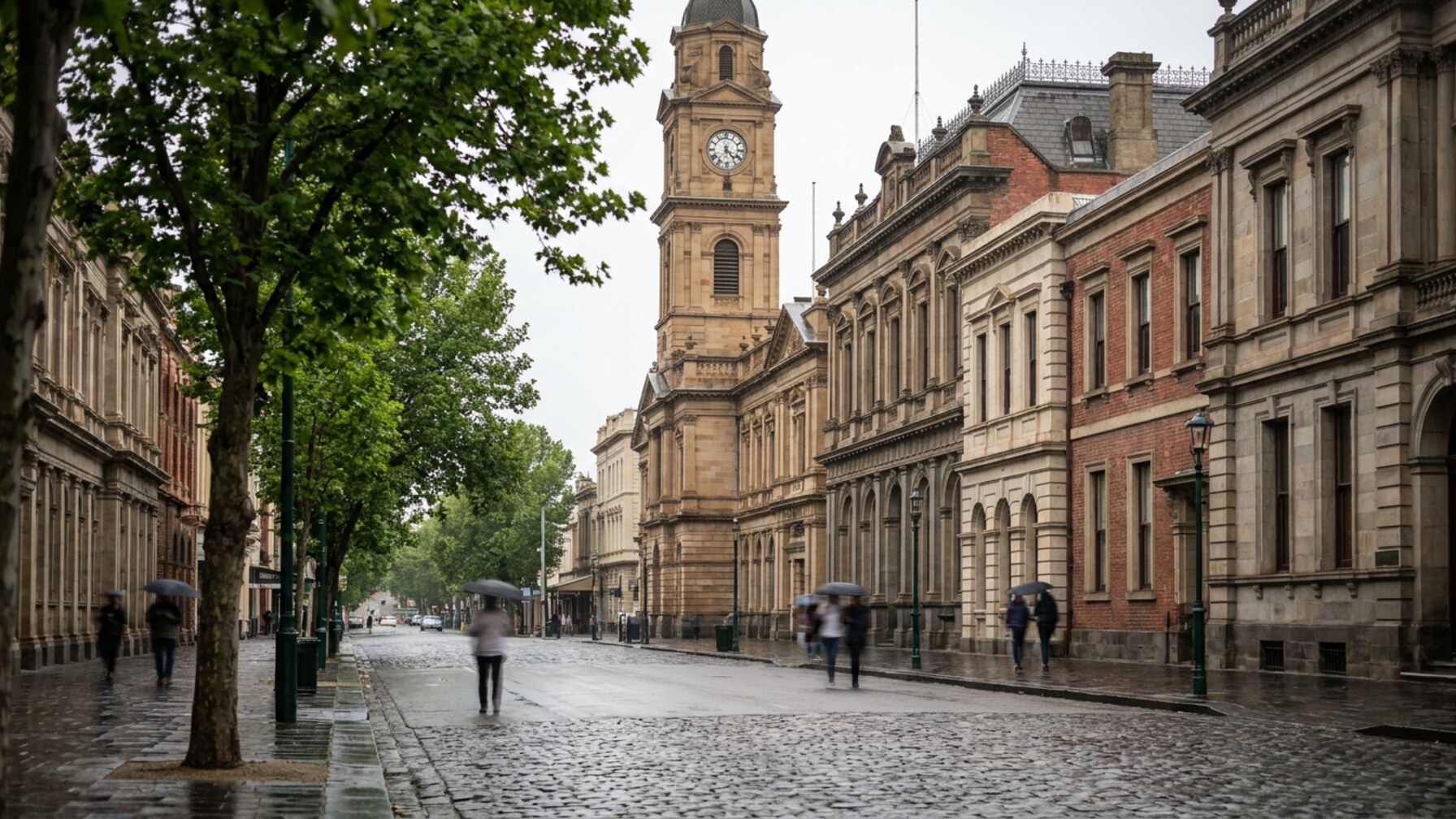
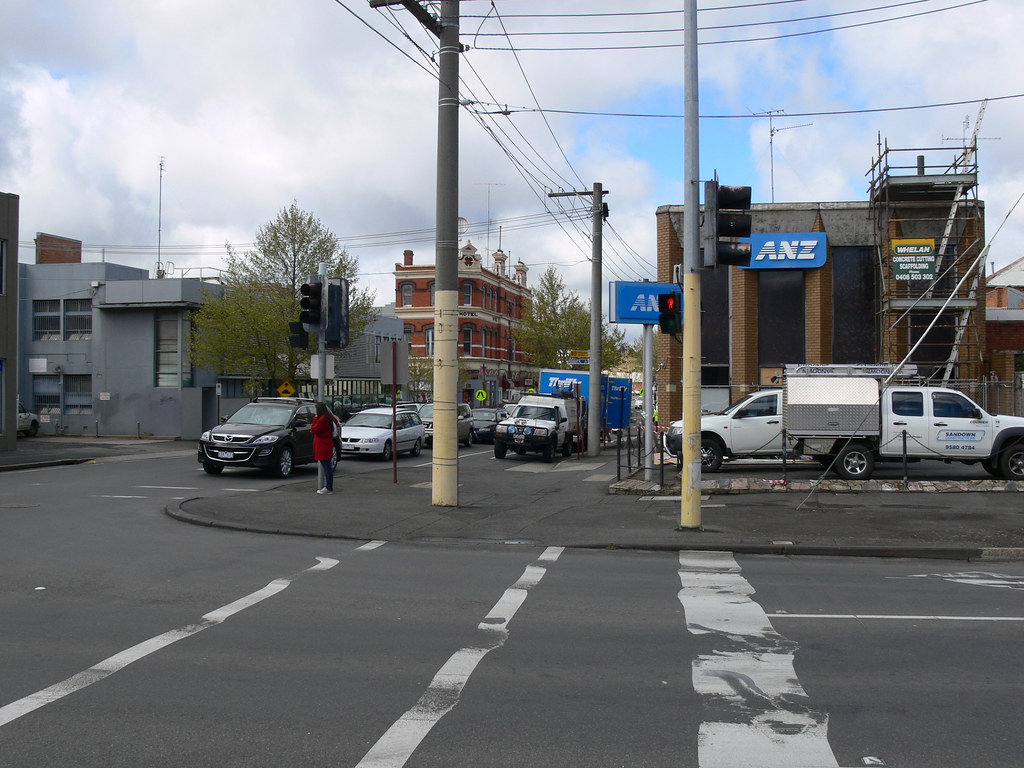
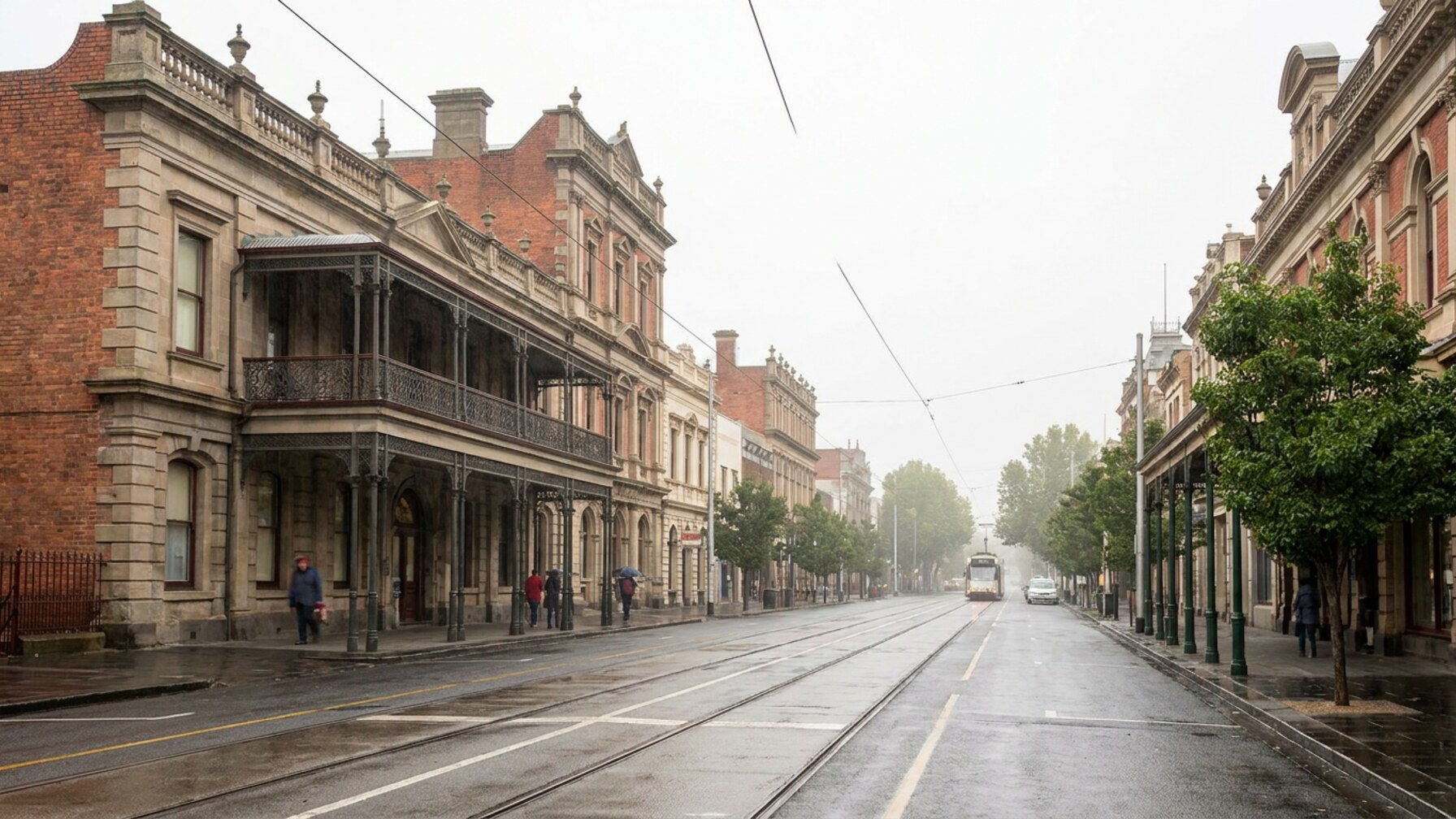
In terms of road traffic, Ballarat's main commercial precincts and arterial roads such as Learmonth Street have experienced variable congestion during peak periods. Residents’ associations and local businesses express concern over limited alternative transport options contributing to increased car dependence. While pedestrian and cycling infrastructure has seen some upgrades in recent years, many locals maintain these are insufficient to offset traffic growth caused by population expansion and tourism.
Though there are no recent official statistics specific to this week's traffic or rail service performance publicly available, the ongoing dialogue among Ballarat stakeholders underscores a mounting urgency to find practical solutions. Community feedback points to the need for a cohesive plan that integrates rail reliability improvements with smarter local traffic controls and investment in active transport routes.
What comes next for Ballarat transport?
Residents and visitors are advised to monitor announcements from local councils and the state transport department for emerging initiatives or trial programs aimed at easing congestion and improving public transport standards. Active citizen engagement in upcoming consultations will be crucial to shaping transport policies that reflect Ballarat’s specific challenges and opportunities.
Until substantial changes materialize, commuters may continue to experience some delays and variability in both rail services and road traffic flows. Using public transport information apps and planning trips outside peak hours can help mitigate impacts. Local businesses and tourism operators will likely keep advocating for transport support to ensure Ballarat’s accessibility keeps pace with its development ambitions.
About this article●Beta
Published by The Daily Ballarat
Covering news in Ballarat. This article was generated by AI from the linked sources, under human editorial accountability and risk-based review and our reasonable editorial care. Sensitive material is held for human review before publication. See our reasonable editorial care.
Beta: AI-assisted and human-overseen. Details may be imperfect, so please verify anything important.