News
Ballarat's transport fork in the road: the decisions that will shape commutes for the next decade
Council faces critical choices on rail frequency, bus routes and congestion as the city pushes past 120,000 residents.
4 min read
News
Council faces critical choices on rail frequency, bus routes and congestion as the city pushes past 120,000 residents.
4 min read

Ballarat stands at a transport crossroads. Within the next 18 months, the City of Ballarat council will need to make binding decisions about rail service frequency, bus network redesigns, and road capacity that will either ease or exacerbate commute chaos for years to come.
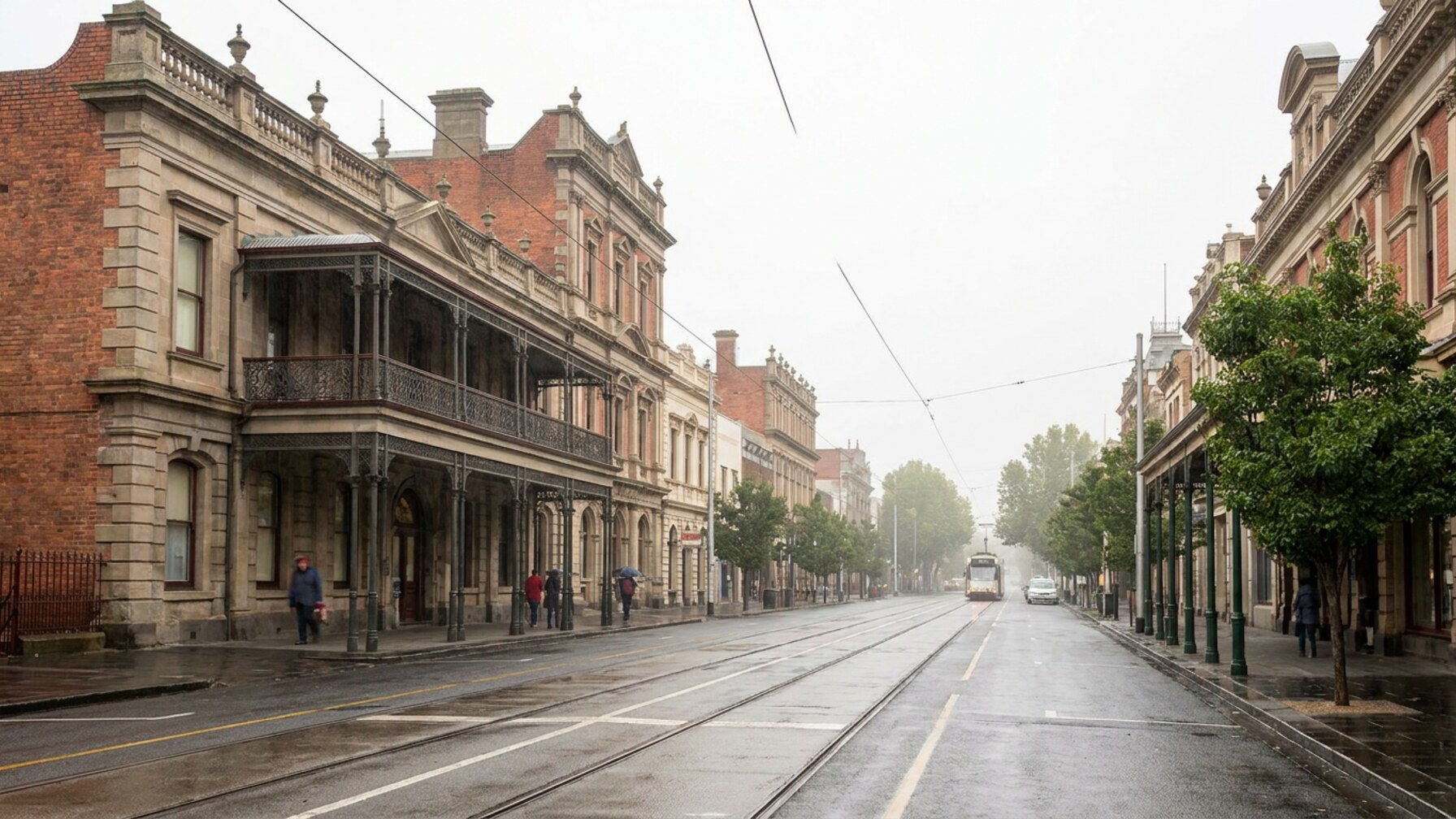
The pressure is real. Ballarat's population has grown to 122,000, according to the 2024 Australian Bureau of Statistics data, and the city's transport infrastructure hasn't kept pace. The regional rail service between Ballarat and Melbourne currently runs eight return services daily-a frequency that commuter groups say barely qualifies as adequate. Meanwhile, congestion around the Ballarat station precinct on Sturt Street has become a daily frustration for workers heading to the CBD, and rat-running through Wendouree residential streets during peak hour has neighbours fuming.
The real test comes down to three linked decisions. First, will the state government fund increased rail services beyond the current timetable? Second, will Ballarat's council commit to a genuine bus network overhaul, or tinker around the edges? Third, how aggressively will planners tackle the car-dependent sprawl that keeps pushing growth further from the CBD and rail station?
V/Line's current timetable sees peak-hour southbound services arrive in Melbourne between 7:15 and 8:45 a.m., with return services departing between 5:15 and 6:45 p.m. That scheduling doesn't accommodate flexible workers or shift patterns. The cost of upgrading to 10 or 12 daily return services would run into tens of millions of dollars-money the state transport budget is stretched thin to provide, particularly after the recent west-of-Melbourne infrastructure announcements.
Bus usage in Ballarat remains stubbornly low. Ballarat Transit, which operates local services under contract to the Victorian government, carries roughly 3,500 passengers daily across its network-a figure that hasn't budged significantly in five years despite population growth. Compare that to comparable regional cities like Bendigo, where similar-sized populations support more frequent services on key corridors, and the gap is obvious.
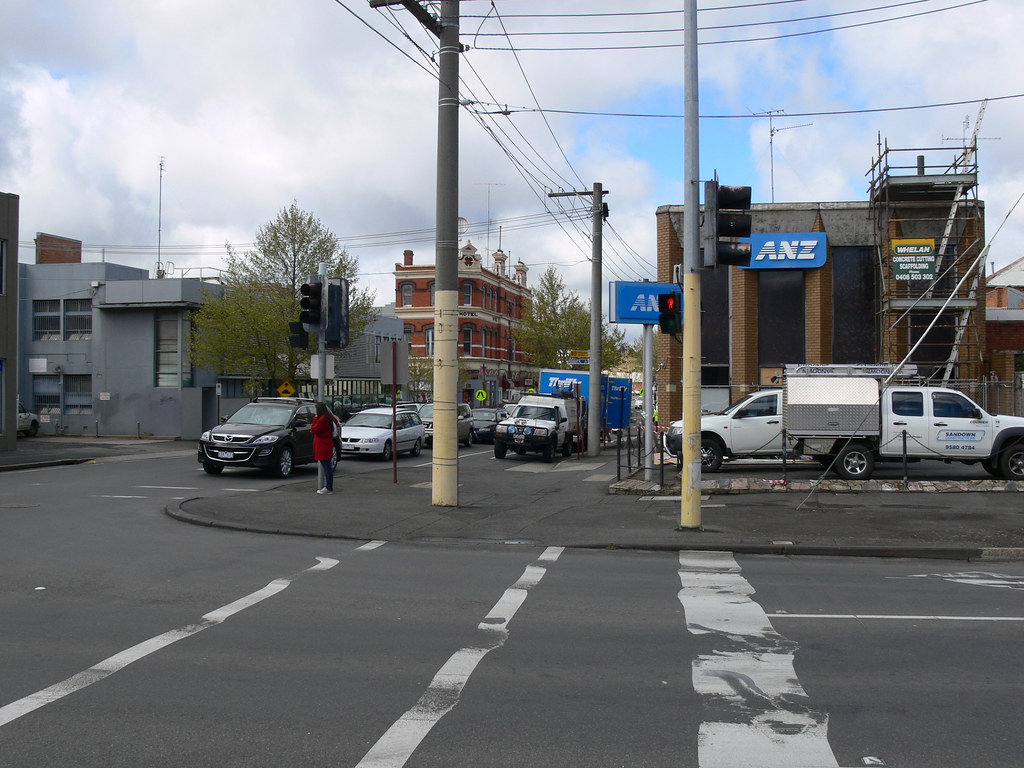
Car dependency is the easy answer but the hard problem. Around 78 percent of Ballarat workers commute solo by vehicle, according to the most recent Australian Census data. The Sturt Street corridor and the intersection at Doveton Street North regularly experiences delays during school drop-off times and the 8 a.m. rush. The Ballarat Freeway bypass, completed in 2010, was supposed to ease through-traffic, but congestion on local streets has actually worsened as the city has sprawled outward to suburbs like Alfredton and Miners Rest.
The City of Ballarat is currently finalising a Transport and Mobility Strategy, due for public consultation later this year. That document will recommend whether to pursue bus rapid transit corridors on key routes-a concept that could see dedicated lanes and higher service frequency on routes like the Sturt Street service and routes serving the Ballarat Health Services hospital precinct on Drummond Street North.
Council will also need to decide whether to push back on low-density sprawl through tighter planning controls, or accept continued car-dependent growth. Developers have applications pending for 8,000 new dwellings across greenfield sites in the west and north of the municipality over the next decade. Each new house in those areas locks in decades of car trips.
The V/Line decision rests with the state government, not Ballarat. But council can pressure ministers. A formal push for upgraded frequency-backed by business groups, the Ballarat Regional Trades Hall, and residents-could shift the budget priority needle. The Ballarat Chamber of Commerce has signalled support for rail investment, recognising that reliable peak-hour services attract both workers and investment.
These aren't glamorous decisions. They won't make headlines like Sovereign Hill's tourism grant announcements or Ballarat Health Services' capital upgrades. But they determine whether your commute takes 40 minutes or 90 minutes, whether a young worker can afford to live here without owning a car, and whether Ballarat's growth benefits everyone or just those who can absorb soaring petrol and toll costs. The council meeting schedule shows these decisions are coming. Pay attention.
News
News
News
News
News
News
About this articleBeta
Published by The Daily Ballarat
Spread the word
Daily brief
Free, in your inbox before 7am. Weekdays.
The Daily Network — local news across Australia