News
Ballarat's rail upgrade leaves commuters and businesses divided on what comes next
As the regional line undergoes major works, residents and traders weigh the long-term benefits against months of disruption.
4 min read
Updated 1 h ago
News
As the regional line undergoes major works, residents and traders weigh the long-term benefits against months of disruption.
4 min read
Updated 1 h ago

The Victorian rail authority confirmed this week that track replacement and signalling upgrades along the Ballarat to Melbourne line will stretch into early 2027, prompting sharp debate among locals about whether the $180 million investment justifies the gridlock ahead.
The project matters now because Ballarat sits at a crossroads. The central highlands city has spent a decade fighting for reliable rail connectivity to Melbourne, a 90-minute journey that determines whether young professionals stay and whether tourism thrives. The regional rail strategy released by the state government in 2024 singled out frequency and reliability as critical gaps. This upgrade is meant to fix those gaps. But the construction window-July through February-cuts right through spring peak season at Sovereign Hill and autumn school holidays, when the line normally carries its heaviest passenger load.
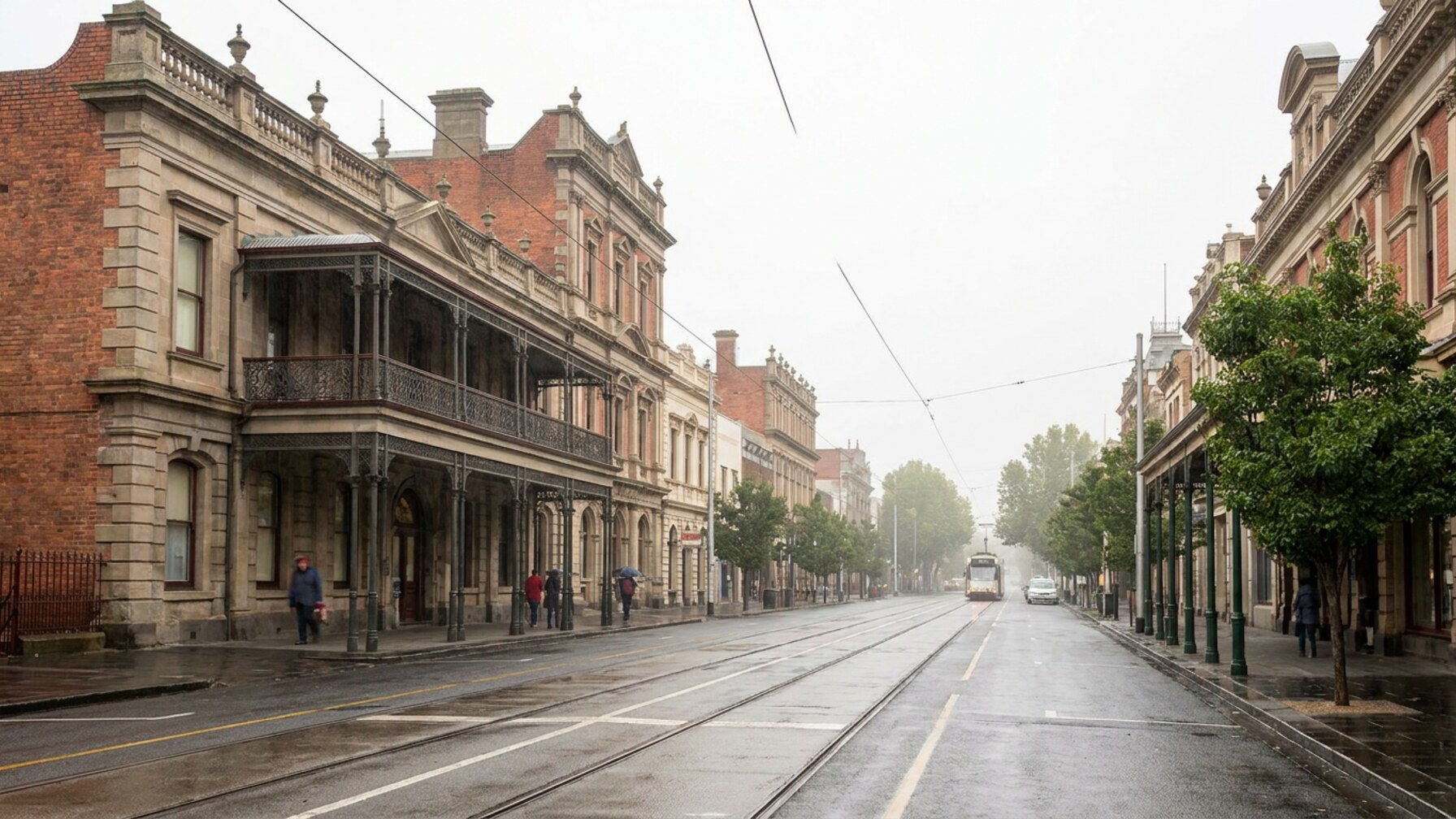
On Sturt Street, the main commercial thoroughfare, shop owners have already begun calculating losses. The disruption affects not just commuters but the fragile ecosystem of small businesses that depend on foot traffic from the rail precinct. Ballarat Brewing Company, located three blocks from Ballarat Central Station, relies partly on the consistency of commuter patterns. Nearby, the Ballarat Heritage Collections facility on Bridge Street has scheduled exhibitions around predictable visitor flows. When buses replace trains for eight months, those patterns vanish.
Commuter surveys conducted by the Public Transport Victoria consultation panel in May found that 62 percent of Ballarat to Melbourne regular users rated the current service as "unreliable" or worse. Delays average 12 minutes per journey, costing the region's workforce an estimated 380,000 lost productivity hours annually, according to regional economic impact analysis from Federation University. The upgrade promises to cut that by half.
What rankles residents is the timing. The construction schedule overlaps with the back-to-school rush in late January and February, when Ballarat parents typically send children to Melbourne for tertiary education orientation and accommodation hunts. The closure also coincides with Sovereign Hill's busiest period, when the heritage gold museum hosts school groups and interstate visitors through the summer holidays.
Transit officers at Ballarat Central say they've fielded dozens of inquiries about whether the bus bridge service will operate weekends. The answer-yes, seven days a week, with 24 scheduled services daily-provides some relief but doesn't solve the time problem. A bus journey from Ballarat to Southern Cross takes 140 minutes compared to 90 by train. Freight operators using the line face similar headaches, with road transport costing considerably more.
The authority has promised half-hourly train services to Melbourne once work concludes, up from the current hourly frequency. Signal upgrades will allow higher speeds on sections between Creswick and Ballan, shaving roughly 15 minutes from the total journey time. For Ballarat Health Services, which refers complex cases to Melbourne hospitals weekly, the improvement could mean faster trauma transport times and fewer patient transfers delayed by rail congestion.
Ballarat City Council's infrastructure portfolio holder stressed in a July 9 briefing that the upgrades address a genuine capability problem. Current rolling stock frequently operates at maximum capacity during peak hours, with no room for growth. The new signalling system removes a 20-year-old bottleneck that has constrained service frequency since 2006.
The bus replacement service begins July 21. Passengers can register for travel alerts through the PTV app, which will notify users of service changes on a fortnightly basis as construction phases rotate. The authority's project office sits at the Ballarat Station precinct and handles direct complaints.
For now, locals face eight months of inconvenience against the premise of genuine long-term gain. That bargain will test Ballarat's patience repeatedly before the first train rolls through on the new track.

News
News
News
News
News
News
About this articleBeta
Published by The Daily Ballarat
Spread the word
Daily brief
Free, in your inbox before 7am. Weekdays.
The Daily Network — local news across Australia