News
Ballarat economy by the numbers: tracking growth, jobs and investment in 2026
Detailed statistics reveal how Ballarat’s local economy is evolving amid regional development and funding shifts.
3 min read
News
Detailed statistics reveal how Ballarat’s local economy is evolving amid regional development and funding shifts.
3 min read
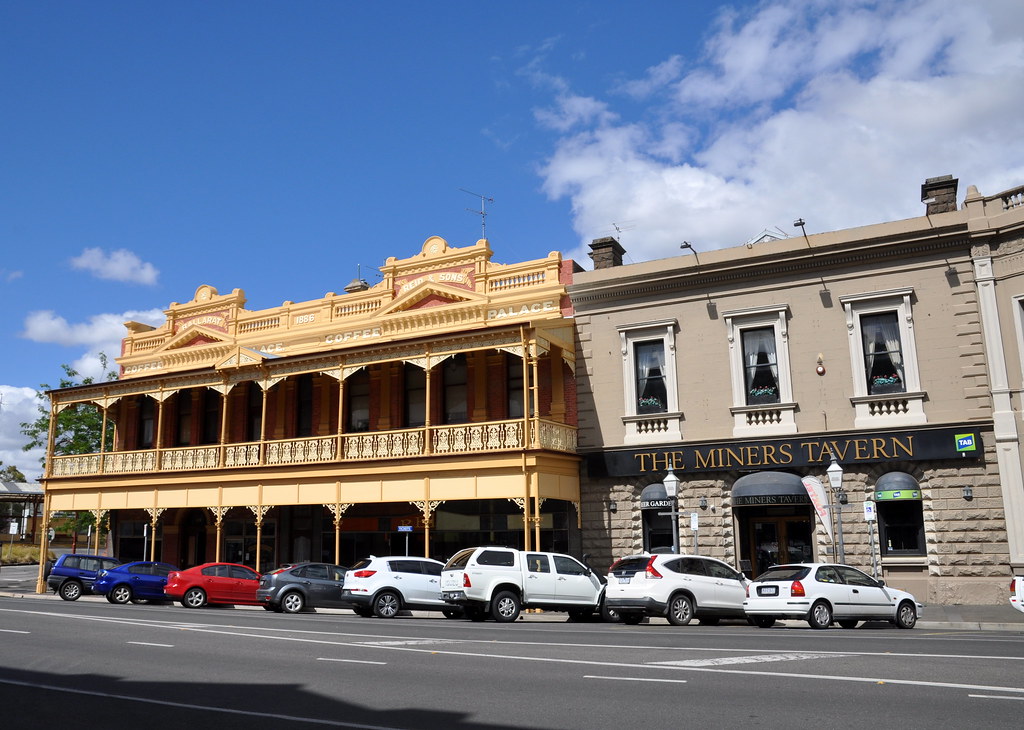
Ballarat’s economy has shown steady growth in the first half of 2026, with local employment rising by 3.2% and business investment increasing by nearly $45 million compared to 2025 figures. This economic progress reflects the city’s ongoing transformation from its gold rush heritage to a diverse regional hub.
The significance of these numbers comes as Ballarat faces several challenges and opportunities, including infrastructure upgrades, tourism recovery post-pandemic, and competition for state government funding. The timing coincides with debates over enhancing the rail connection along the Ballarat line and injecting capital into health and cultural facilities.
Key contributors to Ballarat’s economic momentum include the Ballarat Health Services’ recent $30 million capital works program on Lydiard Street North and the Sovereign Hill Museums Association, which reported a 12% increase in visitor numbers in the first quarter of 2026. Both entities have created new jobs, with Ballarat Health Services adding over 150 roles and Sovereign Hill expanding its tour and event staff by 40 full-time equivalents.
In the Ballarat Central Business District, businesses along Sturt Street and Mair Street have seen retail turnover grow by approximately 4.5%, helped by a surge in local consumer confidence and the return of interstate tourists. The Region’s arts sector, concentrated around the Regent Theatre and Art Gallery of Ballarat, has also benefited from a $2.8 million boost in state government arts funding allocated earlier this year.
According to the Ballarat Regional Economic Profile published in June 2026, the unemployment rate dropped from 6.8% in mid-2025 to 5.4% this year, outperforming the Victorian regional average of 6.1%. Median weekly household incomes rose to $1,580, reflecting wage growth supported largely by health, education and manufacturing sectors.
The region’s gross regional product (GRP) expanded by 3.7% year-on-year to $5.6 billion. Capital expenditure by businesses increased by 8.2% over the past 12 months, with major infrastructure projects planned in transport and digital connectivity set to sustain this trend. Tourism spending through accommodations and attractions surged 15%, a rebound credited to targeted marketing campaigns and events scheduled at venues such as the Eureka Centre.
Housing prices have remained stable, with the median house price holding steady around $560,000 in June 2026, a slight 1.2% rise over last year, indicating balanced supply and demand dynamics in the Ballarat housing market.
Ballarat’s local economy, while showing robust data, faces practical needs linked to infrastructure-especially improved rail services and health facilities funding, as expanded demands test capacity at Ballarat Health Services and regional schools.
For residents and businesses, staying informed on upcoming council initiatives like the planned renewal of the Wendouree Town Centre and local grants for small business innovation can be key. Interested parties should monitor updates from the City of Ballarat and regional development bodies to align with opportunities as they arise over the second half of 2026.
News
News
News
News
News
News
About this articleBeta
Published by The Daily Ballarat
Spread the word
Daily brief
Free, in your inbox before 7am. Weekdays.
The Daily Network — local news across Australia