News
The Data Behind Ballarat’s Rapid Neighbourhood Growth: Numbers Tell the Story
Population trends, housing prices, and development approvals reveal the pace and shape of Ballarat’s urban expansion in 2026.
3 min read
Updated 16 h ago
News
Population trends, housing prices, and development approvals reveal the pace and shape of Ballarat’s urban expansion in 2026.
3 min read
Updated 16 h ago

Ballarat’s residential areas are undergoing significant transformation, with 1,250 new housing approvals recorded in the first half of 2026 alone-a 30% increase compared to the same period last year. This surge underlines a trend of accelerated suburban growth that is reshaping the city’s neighbourhoods.
This momentum emerges amid growing demand for affordable housing and more family-friendly suburbs as Ballarat’s population has expanded to 110,000 residents. With the Victorian Government’s recent infrastructure funding packages and local council development strategies, understanding the numbers behind these changes provides crucial insight into the city’s future.
The growth is concentrated around the western suburbs of Lucas and Delacombe, where the population increased by 7% and 5% respectively since 2024. These areas have been the focus of council-led initiatives aimed at improving community facilities and transport links, such as upgrades to the Lucas Park precinct and enhanced bus services along Sebastopol Road.
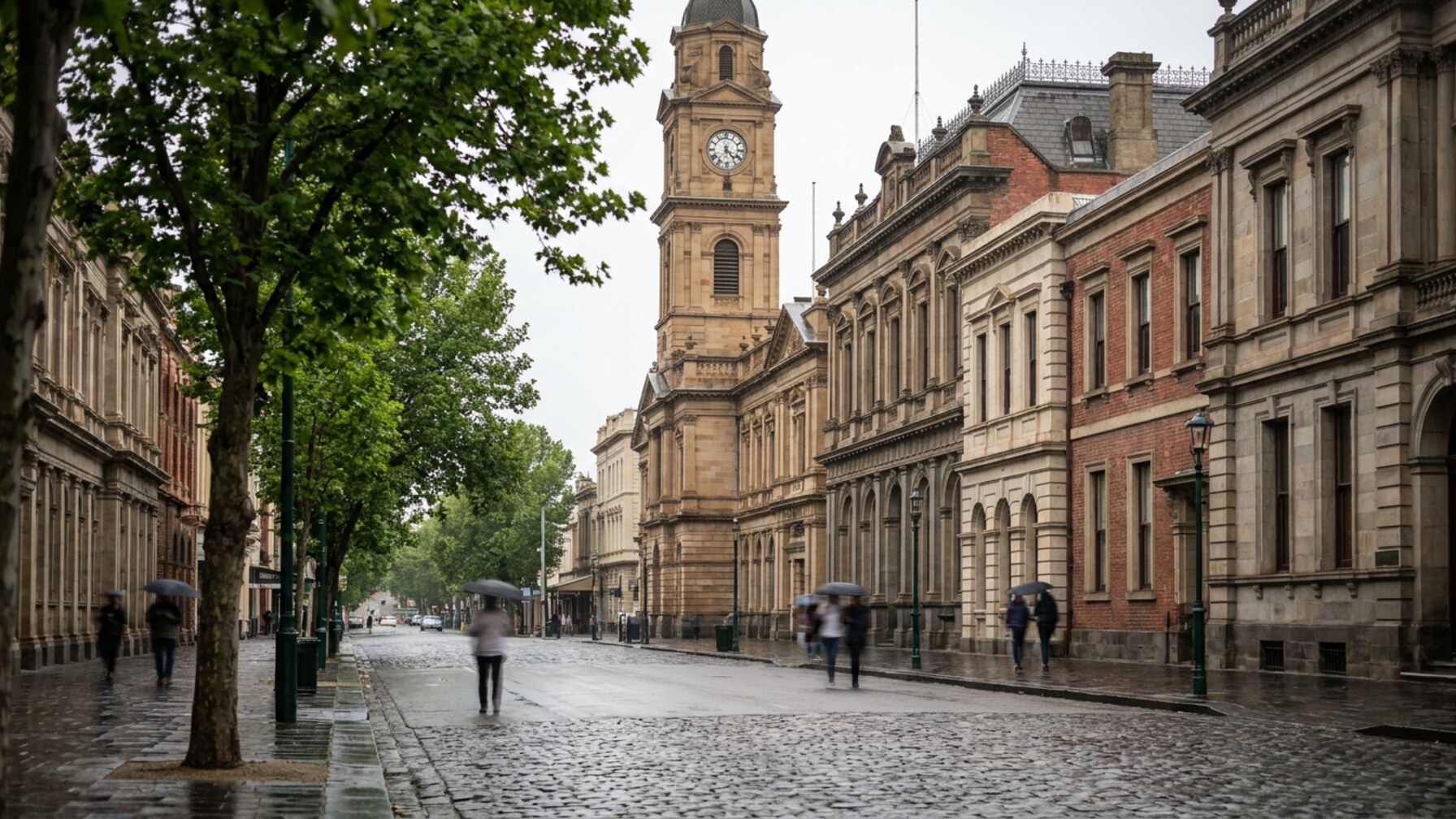
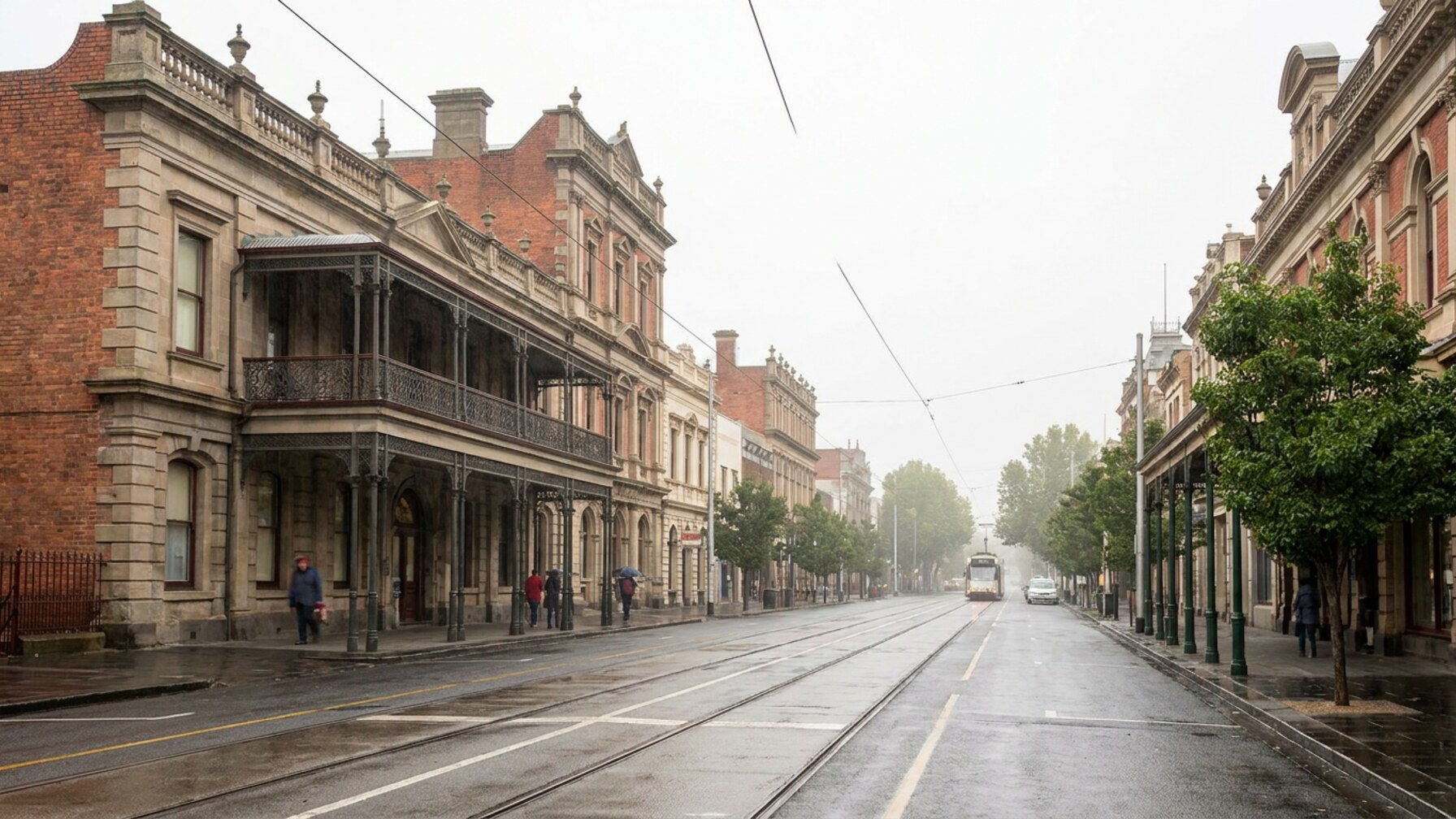
Ballarat City Council’s Sunshine Avenue Neighbourhood Project has accelerated residential infill development, pushing the average house price in nearby Alfredton to $620,000 in June 2026. For comparison, properties in the city centre’s historic Golden Point district averaged $710,000 over the same period, highlighting more affordable options for families willing to settle further from the CBD.
Official figures from the City of Ballarat’s Planning Department show the number of residential building permits issued rose from 900 in the entire 2025 calendar year to 1,250 by the end of June 2026. This climbing trajectory coincides with a 12% uptick in registrations at local primary schools such as Mount Clear College and Phoenix P-12 Community College, indicating overcrowding concerns that the Ballarat Education Network has flagged for urgent attention.
Economic data also points to increased investment in local infrastructure. The federal government’s recent $15 million grant into the Ballarat Regional Rail Upgrade is expected to enhance train frequency on the Ballarat-Melbourne line by 20% come 2028, further bolstering the appeal of suburbs like Wendouree and Redan.
However, the swelling population and rising development density carry challenges. Traffic studies reveal peak-hour congestion on Main Road in Delacombe has worsened by 18% over the last year, prompting calls from residents and community groups for accelerated road improvements and expanded public transport options.
For residents and potential homebuyers, the takeaway is clear: Ballarat’s housing market remains competitive but balanced, with emerging suburbs offering comparatively affordable choices and improving amenities. For local policymakers, the data suggests urgent investment is needed to match infrastructure with growth and maintain quality of life.
News
News
News
News
News
News
About this articleBeta
Published by The Daily Ballarat
Spread the word
Daily brief
Free, in your inbox before 7am. Weekdays.
The Daily Network — local news across Australia