News
Ballarat’s Economic Resilience Outpaces Many Similar Cities Worldwide
In a year marked by global economic uncertainty, Ballarat stands strong with steady growth and community-focused initiatives.
2 min read
Updated 10 h ago
News
In a year marked by global economic uncertainty, Ballarat stands strong with steady growth and community-focused initiatives.
2 min read
Updated 10 h ago
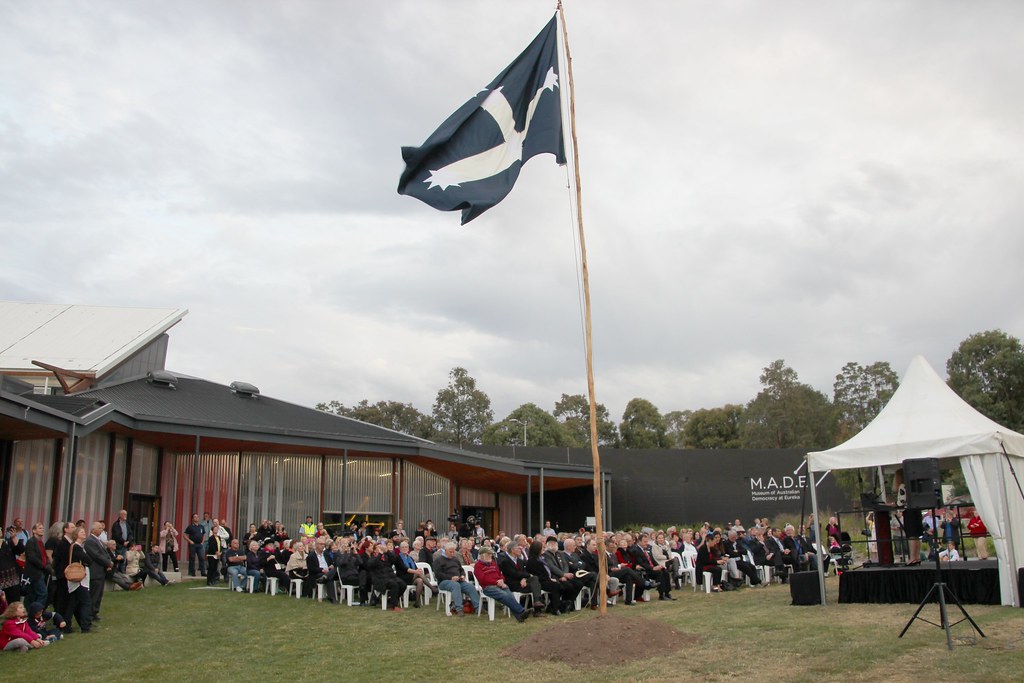
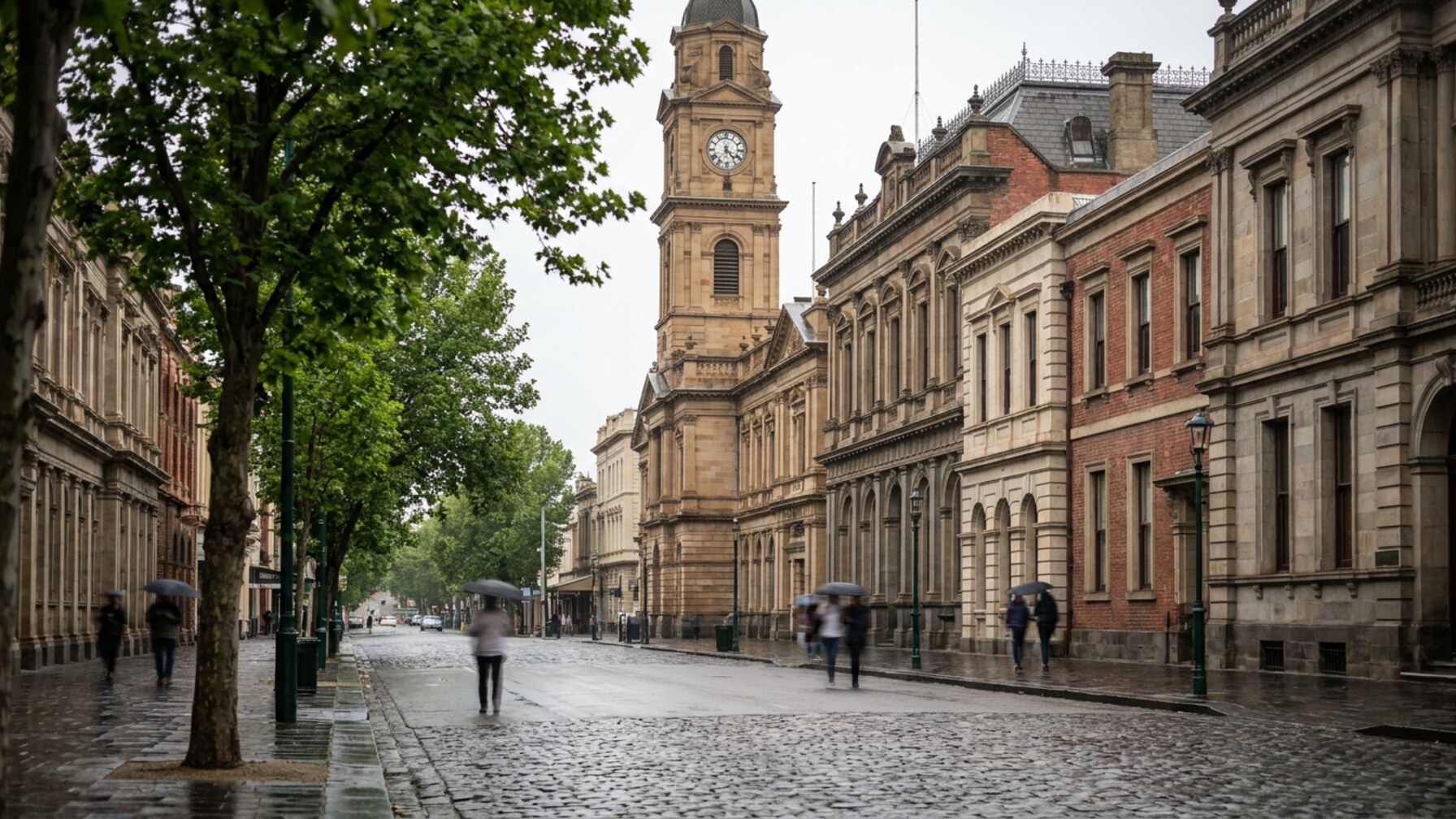
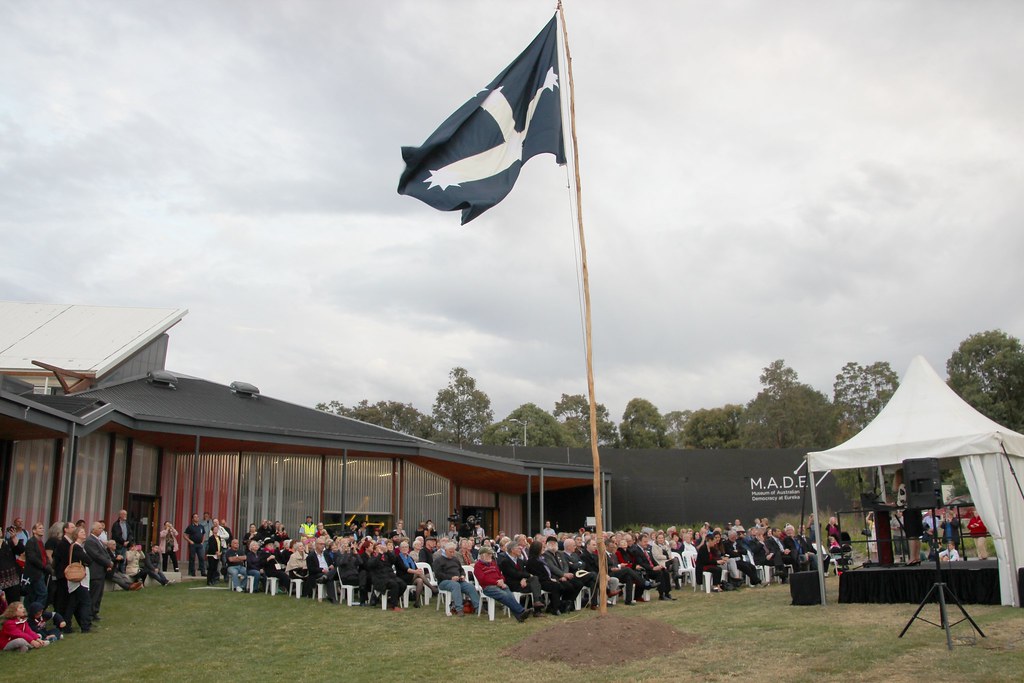
Ballarat's local economy has remained robust through mid-2026, outperforming many comparable cities around the globe in job growth, investment, and resilience, according to recent regional economic reports.
As inflation rates and international market pressures continue to unsettle economies worldwide, regional cities face the dual challenges of maintaining steady growth while preserving local character. Ballarat’s ability to chart a stable economic course highlights the impact of targeted local policies and investments on navigating these challenges.
Central to Ballarat’s economic stability are developments such as the recent expansion of Ballarat Health Services, located on Drummond Street North, which secured $75 million in Victorian government funding in early 2026. This capital injection not only boosts healthcare infrastructure but also supports hundreds of construction and permanent jobs. Simultaneously, the revitalization of the Ballarat Central Business District, bolstered by grants to heritage tourism operators including Sovereign Hill, continues to attract visitors, with museum attendance rising by 8% in the first half of 2026.
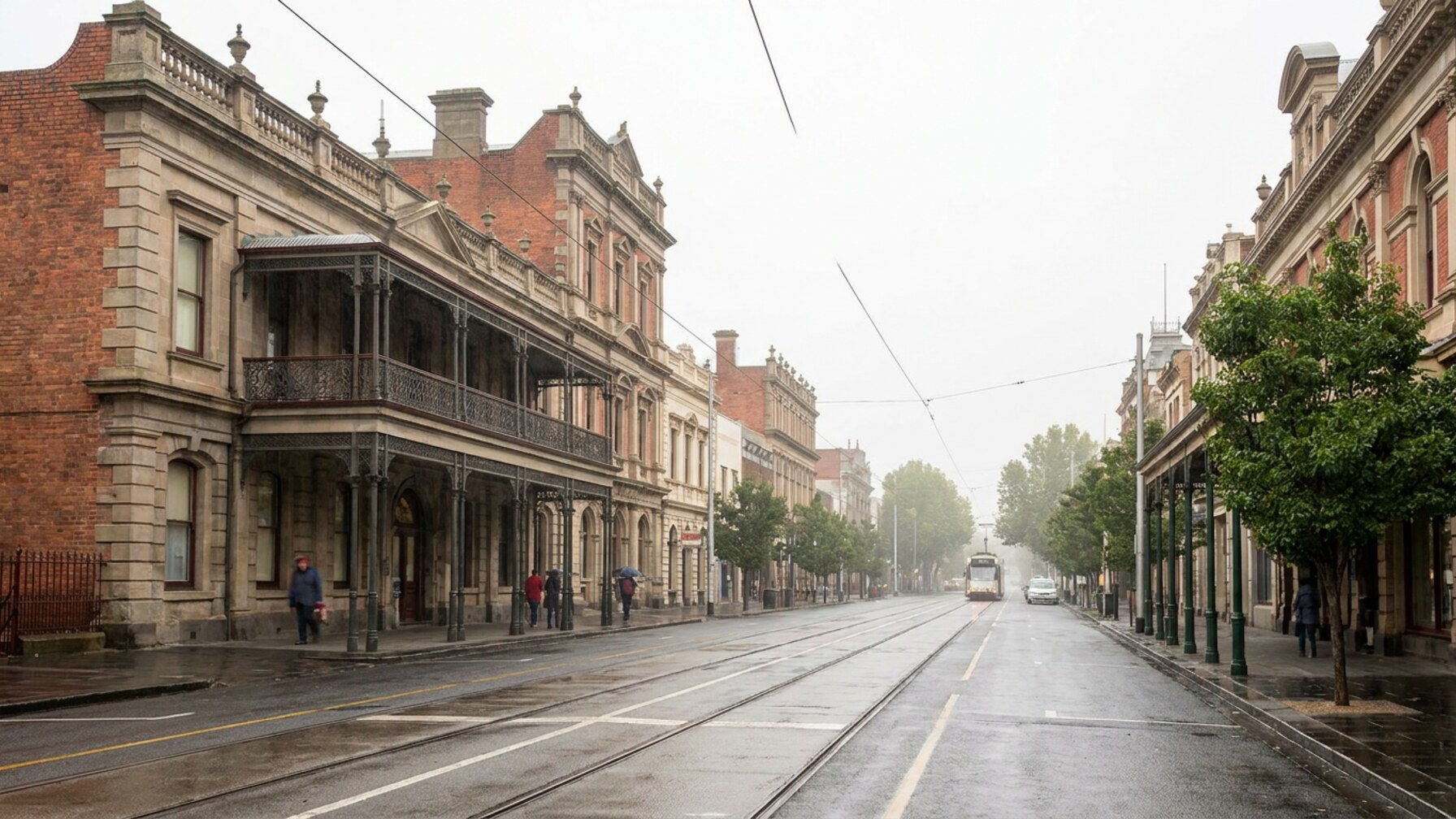
The creative sector is also thriving, spurred by increased funding for the Art Gallery of Ballarat and the establishment of new artist studios in the Lydiard Street precinct. These programs respond directly to post-pandemic shifts towards cultural and experiential tourism, positioning Ballarat as a hub for arts in regional Victoria.
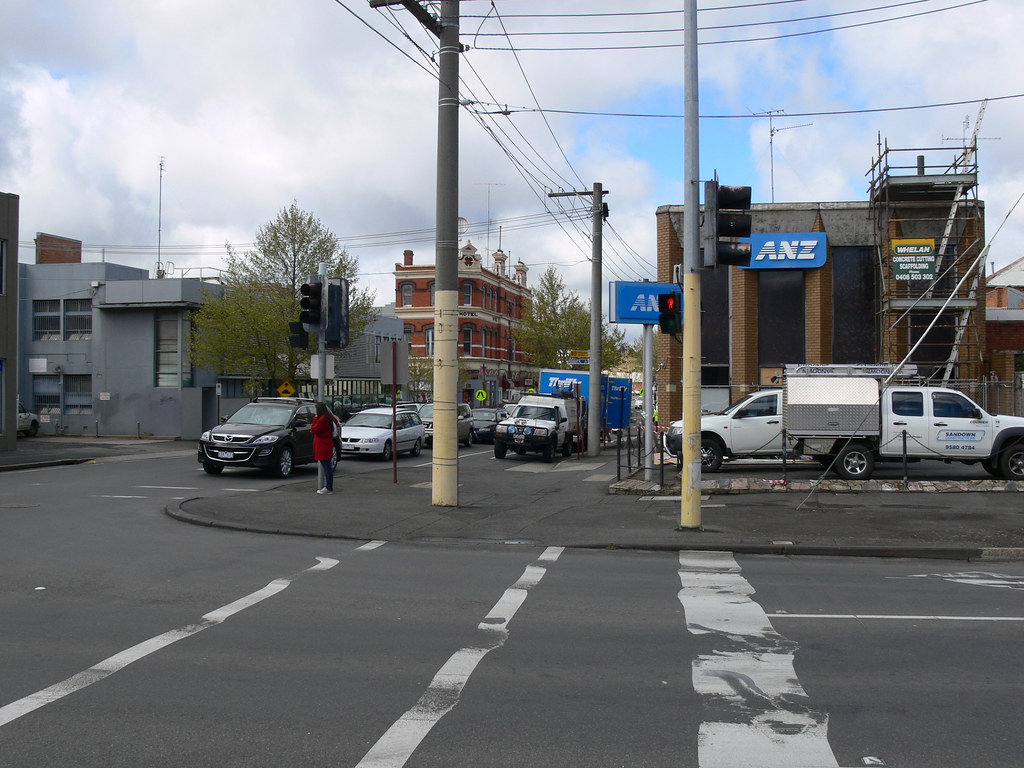
According to the latest figures from the Regional Australia Institute released in June 2026, Ballarat’s unemployment rate stands at 3.9%, notably lower than the 5.2% average for similarly sized inland cities internationally, such as Boise in the United States and Sheffield in the United Kingdom. Median house prices on Barkly Street have also held firm, with a moderate 2.3% increase year-on-year, defying market volatility seen in comparable locations. Retail sales in Ballarat margins similarly outperformed, with a 4.5% uplift in local business turnover recorded between January and June this year.
Key macroeconomic benefits stem from Ballarat’s strategic infrastructure improvements, particularly the ongoing regional rail upgrades that will increase service frequency by 40% by late 2027, enhancing connectivity to Melbourne and boosting commuter confidence.
Looking ahead, residents and local businesses can expect continued support through state-backed programs aiming to diversify the economic base and support startups, especially in sustainable technologies and food production sectors. Engagement with City of Ballarat’s Future Economy Strategy, unveiled last November, encourages business owners and community leaders to participate in workshops scheduled for August, focusing on innovation and resilience planning.
News
News
News
News
News
News
About this articleBeta
Published by The Daily Ballarat
Spread the word
Daily brief
Free, in your inbox before 7am. Weekdays.
The Daily Network — local news across Australia