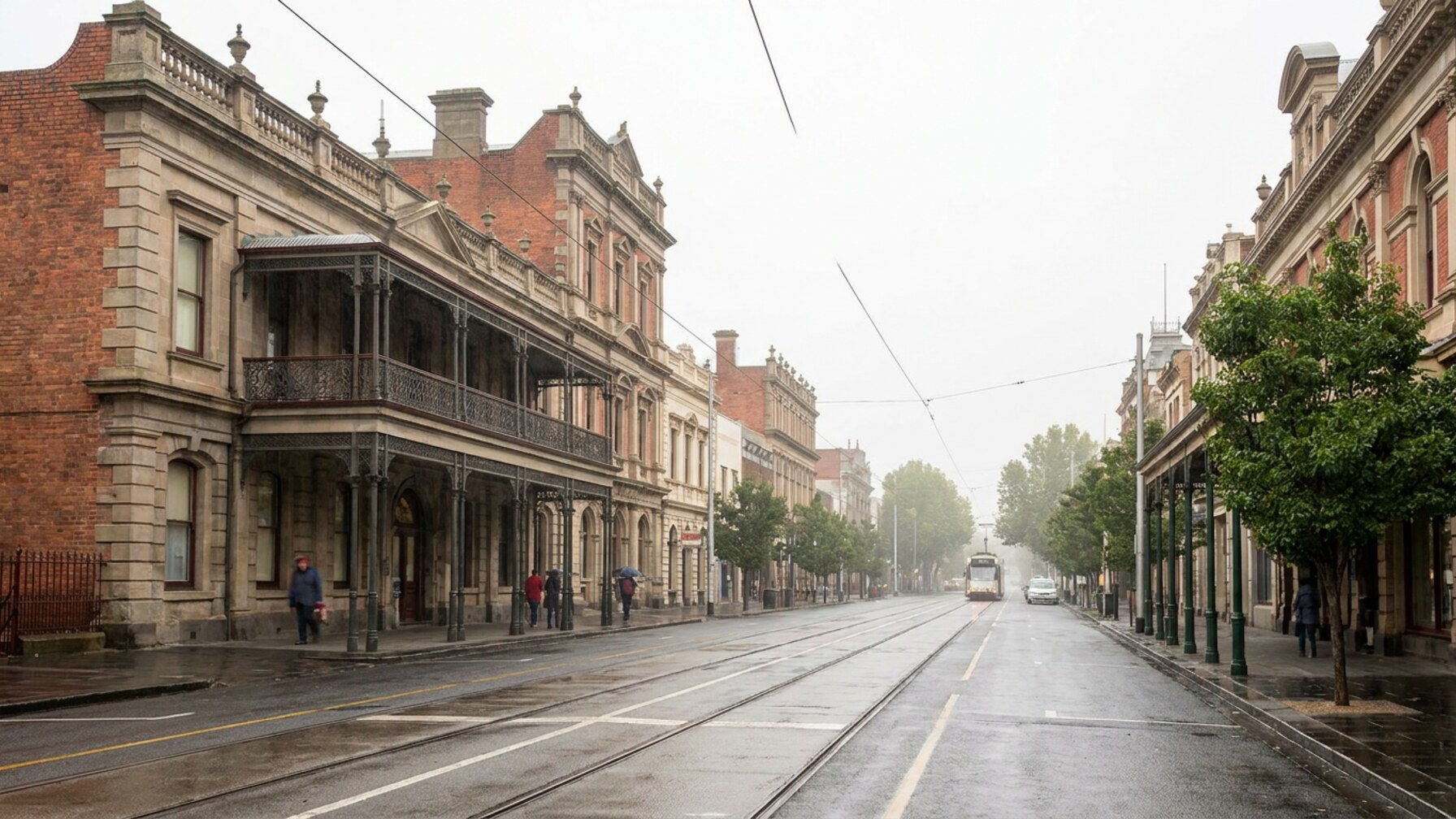
Ballarat's public schools are at a crossroads. Enrolment growth across the central highlands has accelerated beyond projections, forcing principals and the Department of Education to make hard calls about classroom capacity, specialist programs, and which suburbs get new facilities first.
The timing matters. Federal funding agreements expire in 2027, regional population trends are shifting as remote work drives families out of Melbourne, and Ballarat's identity as an education hub-built on Ballarat University and technical training pathways-hangs partly on decisions made in the next 18 months. Get it wrong and schools will scramble to fit extra students into portables. Get it right and the region attracts young families.
At Ballarat High School on Sturt Street, enrolments jumped to 1,847 students this year, up from 1,612 in 2023. That's a 14 percent rise in three years. The school's senior campus has absorbed most of the pressure, with Year 11 and 12 cohorts straining existing laboratory and arts facilities. Nearby, Federation University's Ballarat campus continues to attract regional students to teaching degrees, creating a feedback loop: more graduates stay and work locally, many become parents, and more children enter the system.
The Ballarat Catholic Education Office reports similar pressure at Catholic schools across the diocese. St Andrew's Catholic Primary in Bakery Hill and Our Lady of Mercy College on Ascot Street South both face portable classroom deployments if relief doesn't arrive by 2027. Independent schools, including Trinity Lutheran College west of the city, have capped enrolments to protect learning environments-a decision that diverts families to state schools.
Where the infrastructure bottleneck hits hardest
The crunch is sharpest in growth suburbs. Golden Point and Ballarat East have seen new residential estates fill over the past five years, yet primary schools in those areas operate at 87 and 91 percent capacity respectively. Department figures released in May show Victoria needs 15,000 new school places statewide by 2029. Ballarat's share sits at roughly 600 places across primary and secondary-a significant commitment for a regional system.
Capital funding announcements from state and federal governments have been piecemeal. The most recent allocation, announced in March 2025, assigned $12.3 million to upgrade Ballarat Primary School's kitchen and learning commons. That project starts in 2027. Meanwhile, no new primary schools have been approved for construction in the Ballarat district since 2018.
What happens next depends on three decisions educators and politicians must make soon. First: which growth suburbs genuinely need a new primary school versus managed portables and bussing arrangements? Second: should specialist programs-music, STEM academies, language immersion-expand at existing schools or remain concentrated at selective entry pathways? Third: how do you resource teacher training and classroom construction when federal agreements reset in 2027 and state budgets tighten?
The choices facing parents and planners
Families moving to Ballarat for affordability and lifestyle now weigh school capacity against property prices. A four-bedroom house in Golden Point costs roughly $620,000 today versus $850,000 in comparable Melbourne suburbs-a compelling math until you discover the local primary has a waiting list. That arbitrage collapses if schools can't absorb growth, and it affects workforce retention for local employers.
The Department of Education has signalled a decision point by late 2026 on a second primary school in the eastern growth corridor. Officials will examine demographic data from the Australian Bureau of Statistics, building approvals, and infrastructure master plans prepared by Ballarat City Council. If a new school is approved, construction funding would likely come from the 2027 budget round.
For families, the practical question is timing. Enrol your child in a growing school now and accept larger classes for two to three years, betting on relief arriving. Or seek alternatives-Catholic schools, independent options, even distance education-while you wait for capacity to catch up. For the schools themselves, the choice is whether to build a culture that thrives despite crowding or to fight for infrastructure now, knowing delays compound year on year.
The clock is ticking. Decisions made in staffroom meetings and council chambers over the next six months will shape Ballarat's schools through the early 2030s.