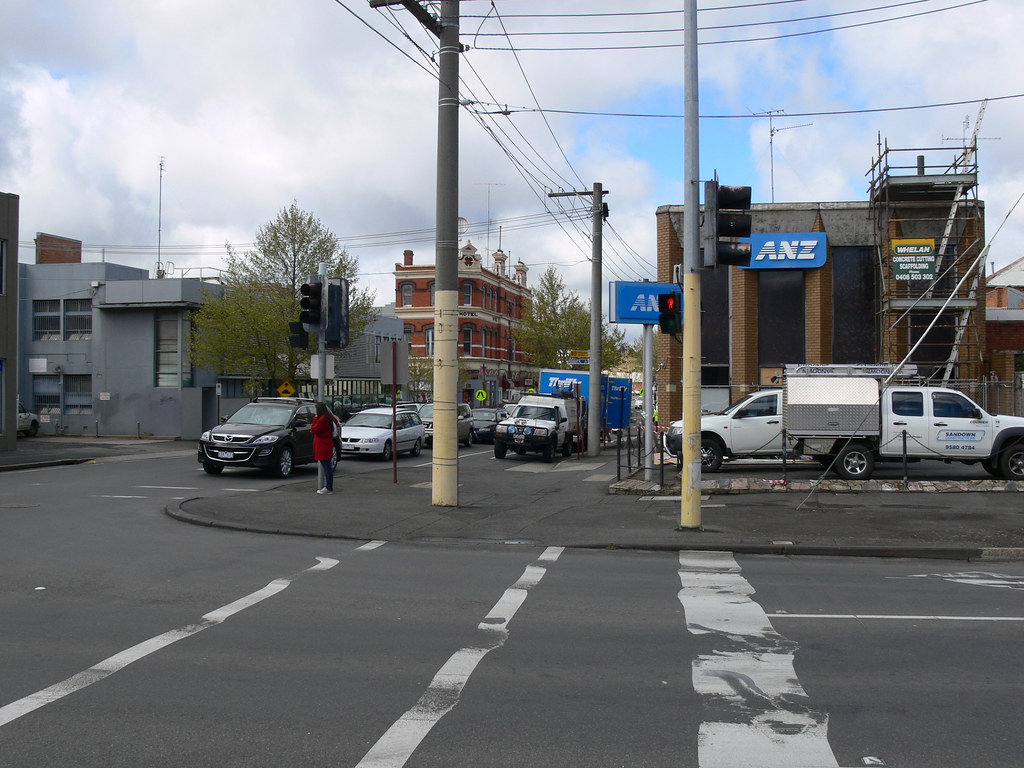
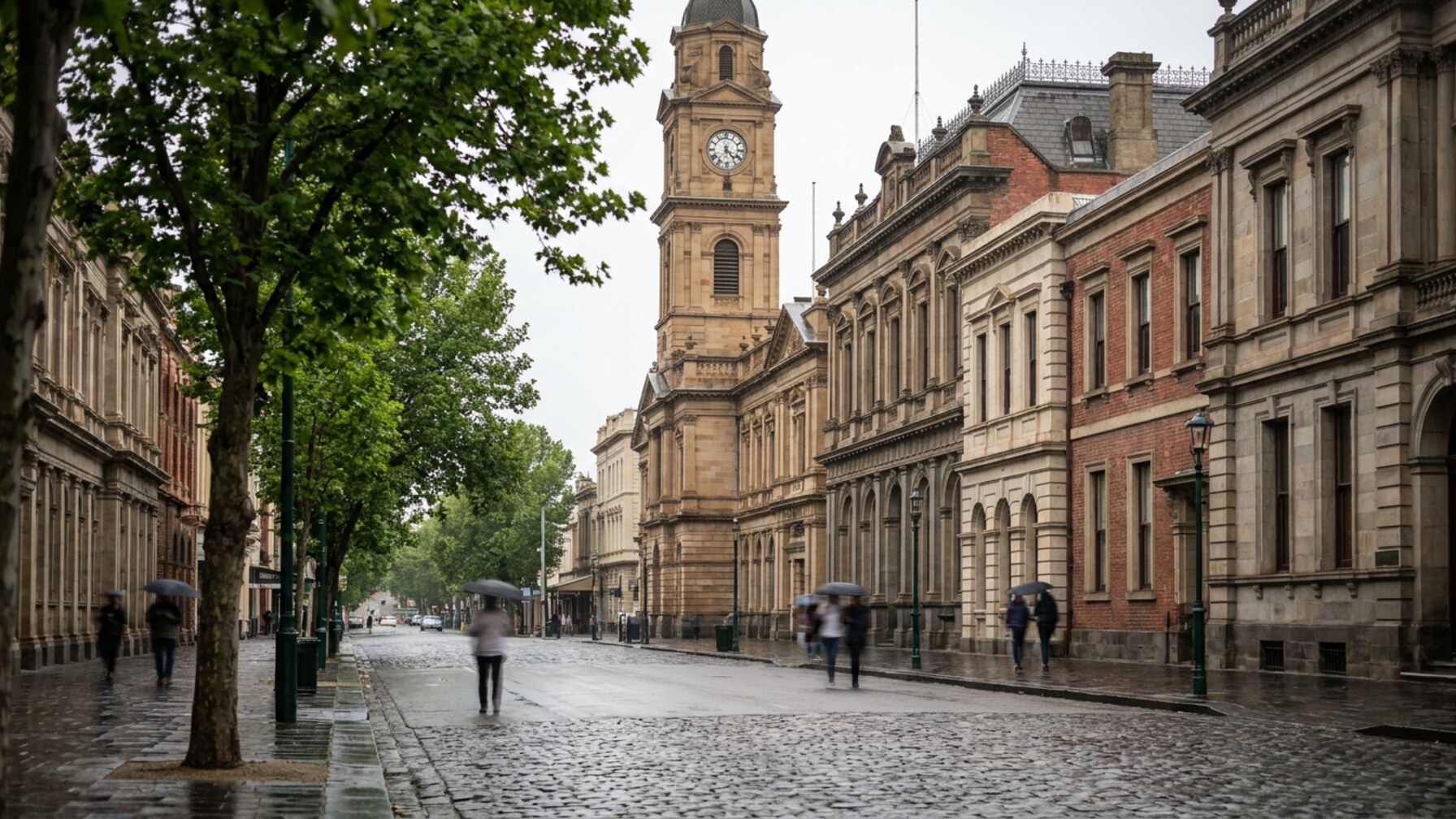
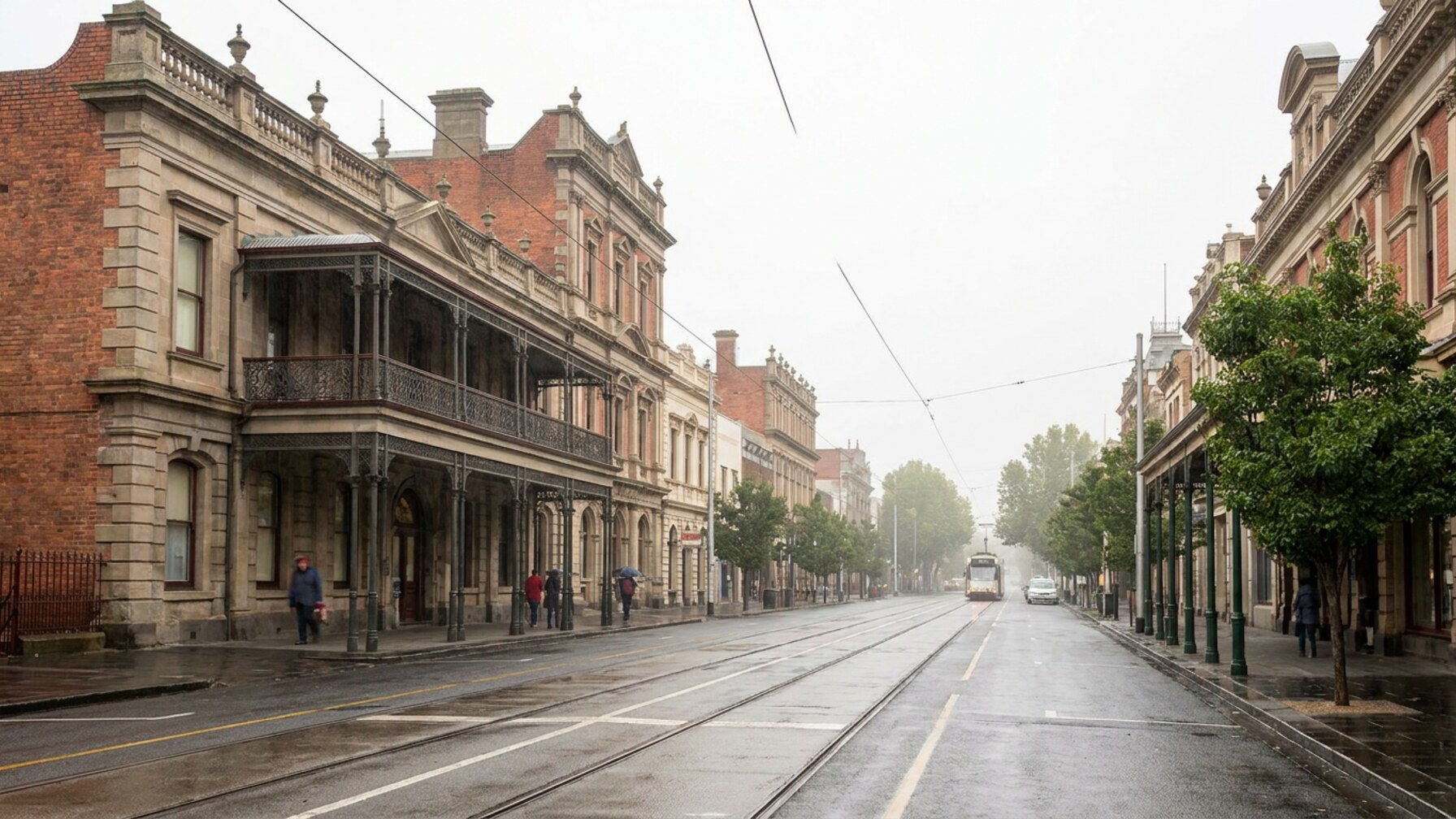
Ballarat's main arterial roads are clogged. Visitors queue at Sovereign Hill. Commuters on the V/Line service complain of cancelled trains. And the city's population is growing faster than its roads can handle.
The city isn't alone. Regional hubs across Europe and North America face identical pressures-and many have already tested solutions that Ballarat's planners are now examining. The question is whether lessons learned in cities like Strasbourg, France, or Wellington, New Zealand, can translate to Australia's central highlands.
The city council has identified transport as a priority. The Ballarat Transport Strategy, updated in 2024, flagged the need for better coordination between road, rail, and bus services. But implementation remains patchy.
What other cities have tried
Strasbourg, a French city of similar size (roughly 280,000 in the metro area), invested heavily in tram infrastructure starting in 1994. Today, four tram lines carry 67 million passengers annually. The city also implemented congestion pricing in its historic centre-a controversial move that nonetheless freed up space for cycling and pedestrian zones. Strasbourg's council reports that car journeys into the CBD fell by 15 percent within two years of introducing the scheme.
Wellington's experience differs. New Zealand's capital-population 215,000-prioritised bus rapid transit. The CityRail network carries about 6 million passengers yearly, but the city's real success came after introducing dedicated bus lanes on major routes in 2018. Journey times fell by up to 20 percent for bus users, and the scheme cost roughly NZ$150 million-a fraction of what tram expansion would have required.
Regional Australian cities haven't attempted similar experiments. Ballarat's only dedicated bus lane runs along Sturt Street for 600 metres. The V/Line service operates roughly 12 services daily to Melbourne-fewer than frequency planners recommend for commuter corridors. A 2023 regional transport audit found passengers on the Ballarat line experienced an average of 3.2 train cancellations per month, substantially above the state average of 1.8.
Local gridlock, local solutions
The immediate pressure points are visible. Sovereign Hill tourism-which contributes an estimated $85 million to the regional economy annually-suffers when parking becomes scarce. During peak season weekends, the tourist precinct around Lydiard Street fills by midday. Local business groups have raised concerns about customer access to the CBD, particularly around the Ballarat Market and shopping zones on Dana Street and Armstrong Street North.
The council's own data tells the story. Traffic counts at the intersection of Sturt and Mair Streets, the city's busiest, recorded 28,600 vehicle movements per day in 2024-up from 24,100 in 2019. That's a 19 percent increase in five years.
Bus patronage has barely budged. Local operator Ballarat Coaches reports approximately 2.1 million boardings annually-roughly static for the past decade despite population growth. Pricing barriers and timetable gaps explain part of it; a return fare from central Ballarat to Delacombe costs $6.80, and buses run infrequently after 7 p.m.
The council has commissioned a new transport masterplan due for release in early 2027. It's expected to examine bus network redesign, cycling infrastructure improvements, and V/Line service frequency. Whether those recommendations translate into funding depends partly on state government support-and partly on whether Ballarat's planners decide to look beyond standard Australian templates and learn from cities that have already cracked the puzzle.