News
Ballarat's Economic Pulse: The Numbers Driving Regional Growth
A data-driven look at Ballarat’s local economy reveals key trends shaping jobs, investment, and community projects in 2026.
3 min read
News
A data-driven look at Ballarat’s local economy reveals key trends shaping jobs, investment, and community projects in 2026.
3 min read
Ballarat’s local economy grew by 3.8% in the 2025-26 financial year, outpacing the Victorian state average of 2.9%, according to the latest figures released by the City of Ballarat Economic Development Unit.
This uptick follows a period of strategic investments in infrastructure, health services, and tourism that aim to leverage Ballarat's position as a regional hub in Victoria’s Central Highlands. The timing is critical as the city balances growth pressures with maintaining its heritage and livability.
Key drivers of the recent economic expansion include the $75 million Ballarat Health Services redevelopment on Lydiard Street North, which has boosted health sector employment by 12% year-on-year. This facility upgrade not only delivers enhanced public healthcare but also anchors around 900 workers, from frontline staff to support services, injecting wages into the local economy.
Meanwhile, the Ballarat railway station precinct has seen $35 million in upgrades completed last December, improving connectivity between Ballarat and Melbourne. This has increased rail passengers by 8.5%, supporting commuter inflows and regional business access. The State Government’s Regional Rail Revival program continues to underpin such projects, with a $580 million statewide budget for rail improvements in regional Victoria earmarked for the next four years, Ballarat benefiting significantly from those funds.
Employment data from the Australian Bureau of Statistics shows Ballarat’s unemployment rate dropped to 3.9% in May 2026, remaining below the national average of 4.2%. Growth is strongest in health care, education, and retail trade sectors, collectively accounting for a 5% rise in job numbers compared with the prior year.
The tourism sector, vital for Ballarat’s identity, saw visitor expenditure climb by 4.3% to $210 million in 2025-26, buoyed by renewed interest in Sovereign Hill and the annual Gold Museum exhibitions. These cultural attractions attract upwards of 600,000 tourists annually and have secured $8 million in new grants focused on digital upgrades and accessibility improvements.
Residential real estate remains robust, with median house prices in Ballarat’s Wendouree and Lake Gardens suburbs now averaging $640,000 and $720,000 respectively, reflecting a 7% rise year-on-year. Local real estate agents attribute this steady demand to Ballarat’s combination of affordability, lifestyle appeal, and enhanced services.
Simultaneously, commercial leasing rates on Sturt Street-the main retail and office strip-have held steady, with average rents of $320 per square metre annually, signaling confidence among businesses amid shifting retail trends.
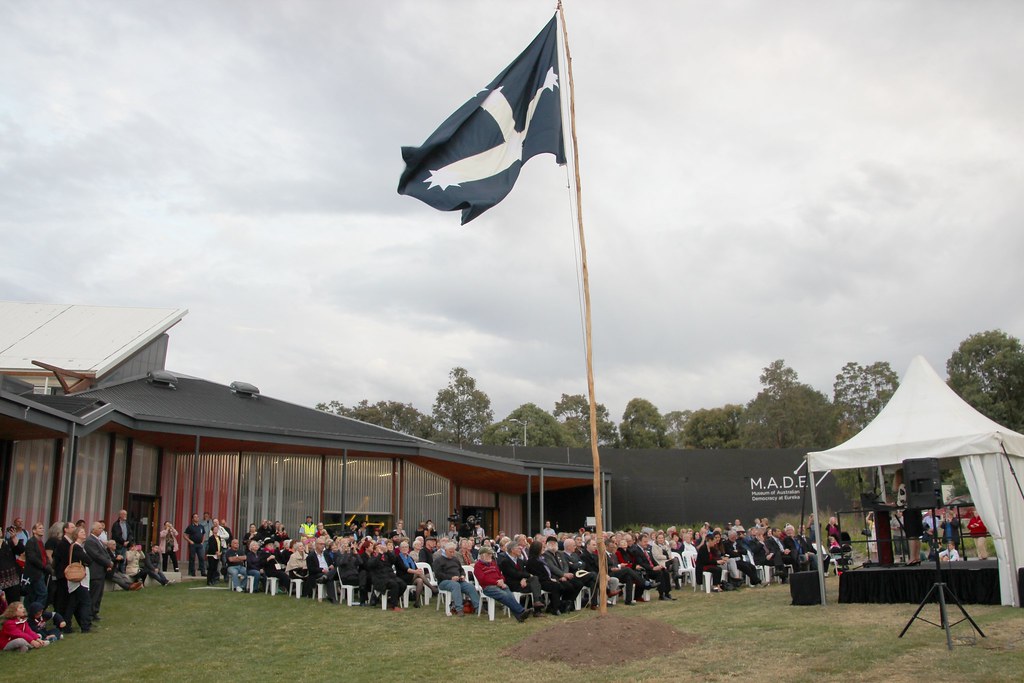
Looking ahead, City of Ballarat planners are prioritising balanced growth through the Ballarat 2040 strategy, focusing on sustainable development while preserving the city’s historic character. Local businesses and residents are encouraged to engage with upcoming community forums slated for August at the Eureka Centre.
For investors and workers considering Ballarat, the evolving data landscape points to a city on a steady upward trajectory. Staying informed of municipal plans and sector-specific developments will be key to making the most of opportunities as they emerge.
News
News
News
News
News
News
About this articleBeta
Published by The Daily Ballarat
Spread the word
Daily brief
Free, in your inbox before 7am. Weekdays.
The Daily Network — local news across Australia