Ballarat's two most visited cultural institutions confirmed this week they are deep into a coordinated project to audit and replace duplicate and degraded images across their public digital collections, a process that has already flagged hundreds of problematic files and forced a temporary refresh of several high-traffic web pages.
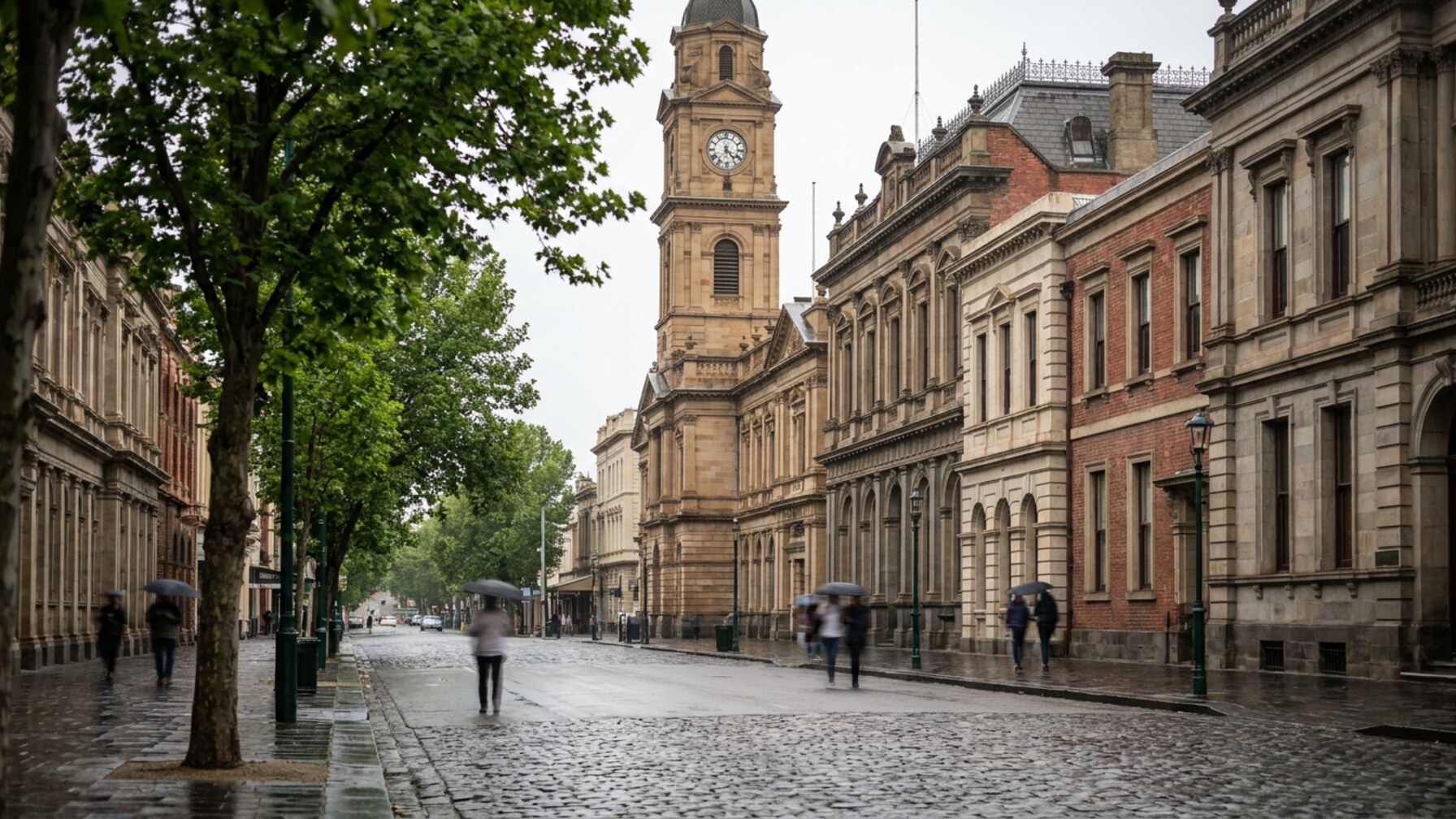
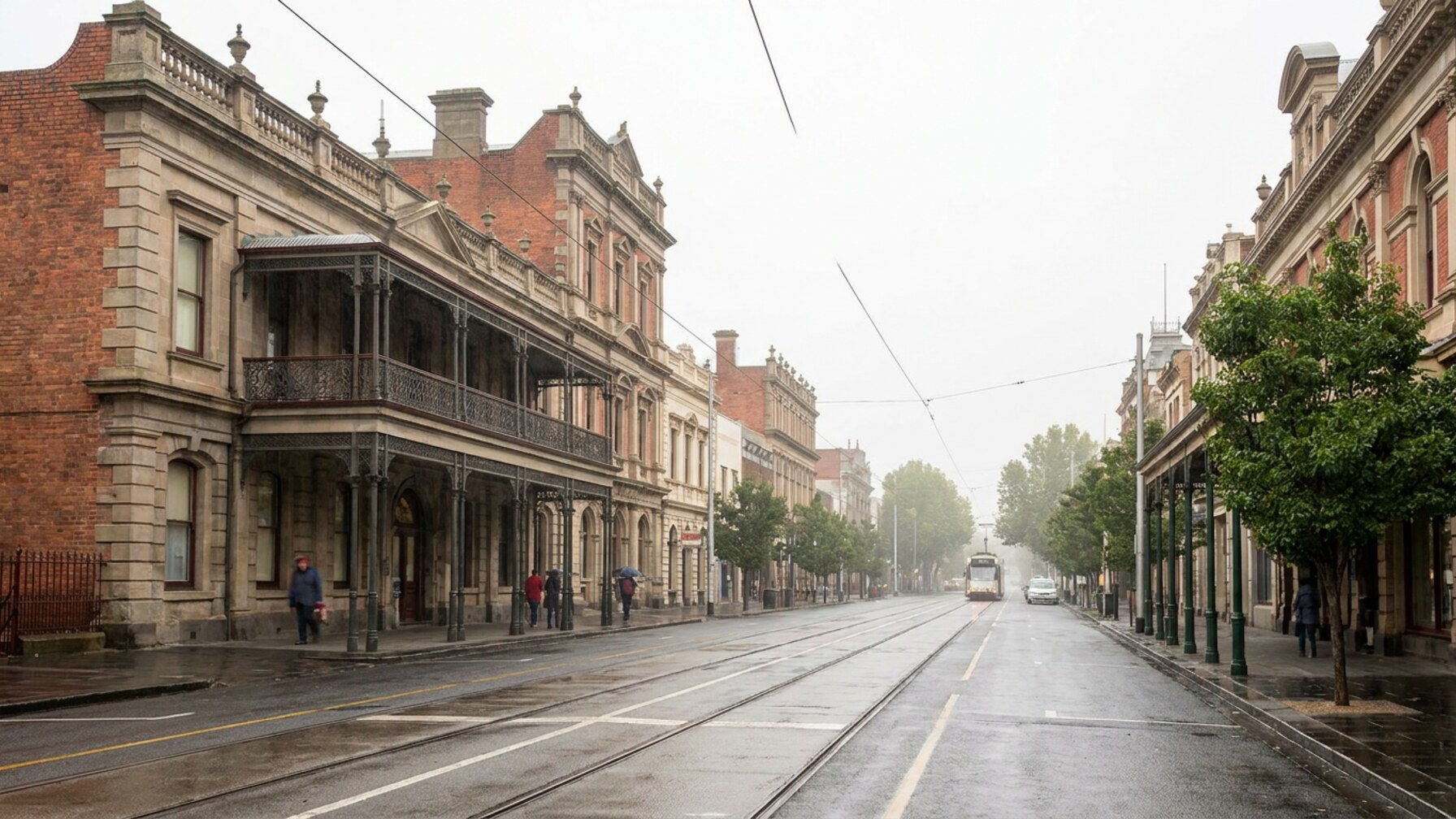
The timing matters. Regional tourism bodies across Victoria's central highlands are pushing hard to lift online engagement ahead of the spring school holidays, and low-quality or duplicated imagery has been identified as a measurable drag on click-through rates from platforms including Google Arts & Culture and Tourism Victoria's regional landing pages. For a city whose visitor economy leans heavily on gold-heritage storytelling, a corrupted or repeated photograph of, say, the Main Lead diggings or a period streetscape on Lydiard Street North is not a minor housekeeping issue.
What triggered the audit
The work accelerated after Sovereign Hill's digital collections team completed a routine metadata review in late June 2026 and identified more than 340 image records flagged as either exact duplicates or near-duplicate variants, scans of the same physical photograph made at different resolutions across different digitisation rounds conducted between 2009 and 2023. The Museum of Australian Democracy at Eureka, on Stawell Street, separately confirmed its online gallery had seventeen catalogue entries pointing to broken or substituted image files, several of which had been displaying a generic placeholder since at least mid-2025.
Neither institution is alone. The City of Ballarat's own digital heritage repository, which draws on records held at the Ballarat Library on Doveton Street, has been subject to a rolling de-duplication process since March this year as part of a broader Victorian Public Record Office digitisation compliance review. Staff processing that review are working through an estimated 12,000 image assets, of which roughly eight per cent were initially flagged for replacement or re-scanning as of the end of the 2025-26 financial year.
Why duplicates cause real problems
Duplicate images do more than clutter a database. When multiple catalogue records reference the same visual file under different accession numbers, search algorithms can surface the same photograph repeatedly while burying genuinely distinct historical images. For researchers using Ballarat's collections remotely, a cohort that grew substantially after the State Library of Victoria reported a 34 per cent rise in remote digital access requests across regional collections between 2021 and 2024, that redundancy wastes time and undermines trust in the archive's completeness.
There is also a copyright dimension. Several of the duplicate files circulating in Ballarat's public-facing collections appear to have entered the databases through inconsistent rights-clearance processes during rapid digitisation drives funded under the former Australian Government's Keeping Australia's Stories Alive grants program, which concluded its regional funding round in December 2022. Where replacement images are sourced from private donors or commercial photographic estates, institutions must now recheck licensing before publishing.
Sovereign Hill has moved to engage a Melbourne-based digital asset management firm to handle the bulk of the remediation work, with a target completion date of 30 September 2026 for the first phase covering its most-accessed 5,000 images. The Museum of Australian Democracy at Eureka is handling its smaller caseload internally.
For members of the public who have noticed missing or repeated images while browsing Ballarat heritage collections online, both institutions are accepting community-submitted high-resolution scans through their respective websites. The City of Ballarat's Heritage Collections team, reachable through the Ballarat Library on Doveton Street, is also maintaining a public submissions portal through July and August for anyone holding original photographs or glass-plate negatives connected to the central highlands goldfields era. Submitters retain copyright; institutions request a non-exclusive digital licence. It is a practical way for local families to contribute to filling the gaps the audit has exposed.
Sources:
Source material used in preparing this article is listed below so readers can check the original record.
About this article●Beta
Published by The Daily Ballarat
Covering news in Ballarat. This article was generated by AI from the linked sources, under human editorial accountability and risk-based review and our reasonable editorial care. Sensitive material is held for human review before publication. See our reasonable editorial care.
Beta: AI-assisted and human-overseen. Details may be imperfect, so please verify anything important.