news
Ballarat Council Faces Urgent Decisions on Public Art Register Audit
A push to audit and replace duplicate or degraded images across Ballarat's public-facing cultural infrastructure is forcing council and heritage bodies into a series of urgent choices.
How we reported this
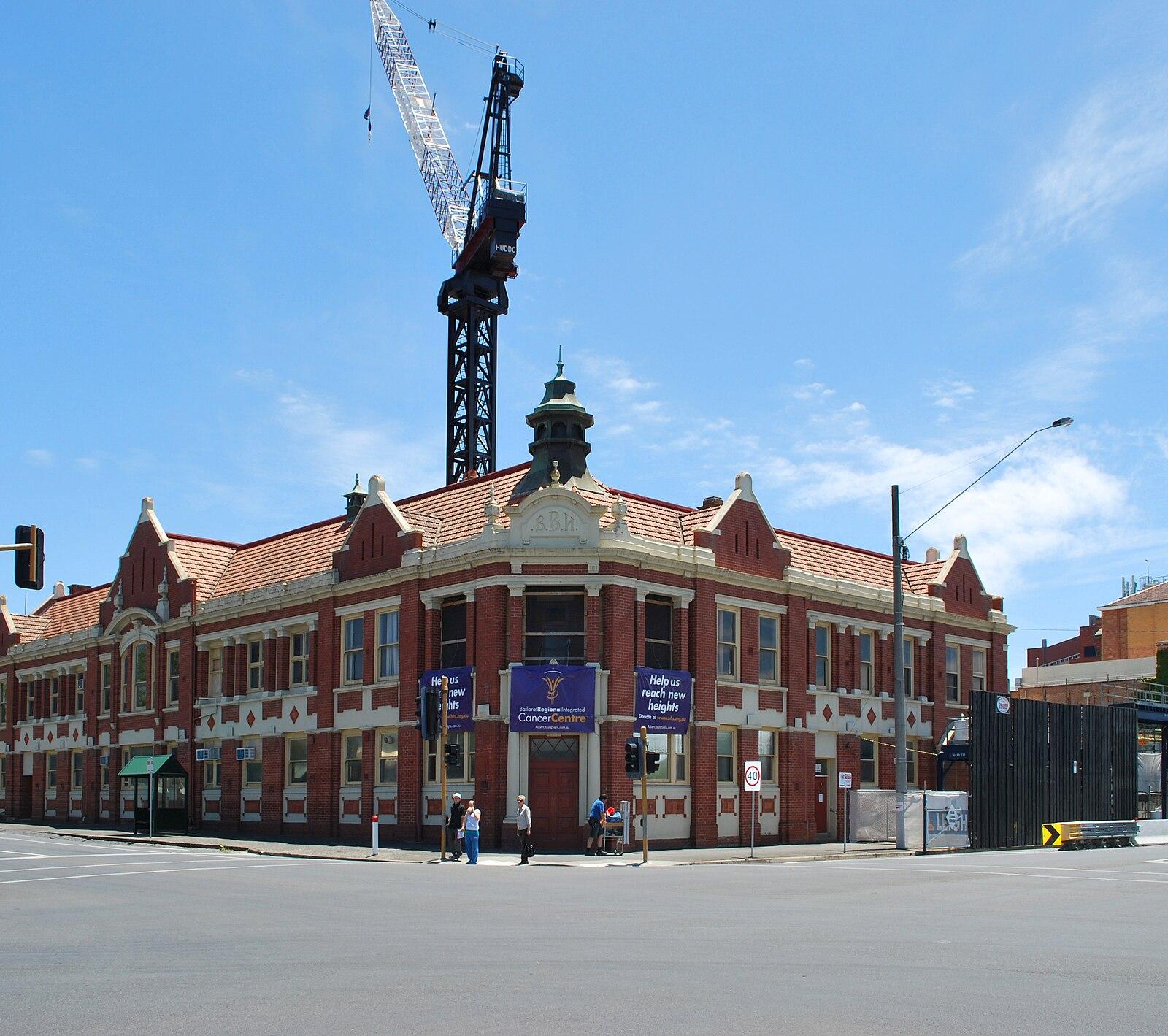
Ballarat's network of public art displays, heritage interpretation panels and tourism photography assets contains a significant number of duplicate and low-quality images, and the organisations responsible for managing them are now being pressed to decide what replaces them, who pays, and how fast the work gets done.
The issue has been quietly building across multiple City of Ballarat-managed sites, from the interpretive signage along Sturt Street to the digital display boards inside the Ballarat Town Hall precinct on Lydiard Street. Council staff and cultural venue managers have identified that image duplication, the same photographs appearing across different panels, brochures and online portals without variation, undermines the credibility of Ballarat's heritage storytelling at a time when tourism competition from regional Victoria is intensifying.
Why This Moment Matters
The timing is not accidental. Sovereign Hill, which drew more than 400,000 visitors in the 2024-25 financial year according to figures cited in its annual report, is mid-way through a broader interpretive refresh supported by state tourism grants. The Ballarat Art Gallery on Lydiard Street North, one of Australia's oldest regional galleries, founded in 1884, is simultaneously reviewing its digital collection interface. Both institutions are wrestling with the same underlying problem: image libraries built up over decades that were never systematically deduplicated or rights-cleared for modern digital use.
For the City of Ballarat, the stakes extend beyond aesthetics. The council's Creative City policy framework, adopted in 2023, sets explicit benchmarks for the quality and diversity of publicly funded cultural content. Failing to act on known duplication problems before the next policy review cycle, scheduled for late 2026, risks both reputational and compliance consequences. Council officers have flagged the matter in recent committee briefings, though no formal public report has been tabled as of 4 July 2026.
At the practical level, replacing images across a distributed network of physical and digital assets is neither cheap nor quick. Commissioning a local photographer to produce a fresh suite of heritage images for even a mid-sized interpretive project typically costs between $8,000 and $15,000, based on rates advertised by Ballarat-based commercial photography studios. Rights-cleared archival image licensing from institutions such as the Public Record Office Victoria adds further cost and lead time. The question of whether the City of Ballarat absorbs those costs centrally or passes them to individual venue budgets is unresolved.
The Decisions That Can't Wait
Three choices now sit in front of decision-makers. First, whether to commission a single consolidated image audit across all council-managed cultural sites, including the Museum of Australian Democracy at Eureka on Stawell Street, known as MADE, or allow each venue to conduct its own assessment independently. A consolidated audit would be more efficient but requires a lead agency and a budget line that does not currently exist.
Second, the question of local versus archival sourcing. Ballarat's photography community, centred partly around groups affiliated with Federation University Australia on University Drive, Mount Helen, has lobbied informally for a local-first procurement approach. That argument has merit on both economic and authenticity grounds, but it conflicts with the depth and historical range that archival collections can provide for a city whose most significant stories predate living memory.
Third, and most consequentially, is the digital infrastructure question. Replacing images in static signage is a one-off capital cost. Replacing them across council's content management systems and tourism partner platforms, including the Visit Ballarat portal, requires either a procurement process for new software or a negotiated update to the existing platform contract.
The City of Ballarat's next ordinary council meeting falls in late July 2026. Cultural planning officers are expected to present preliminary options at that session. Venue managers at Sovereign Hill and the Art Gallery of Ballarat have indicated they are watching the council process before committing their own budgets. The window for getting ahead of the problem, rather than reacting to it, is closing.