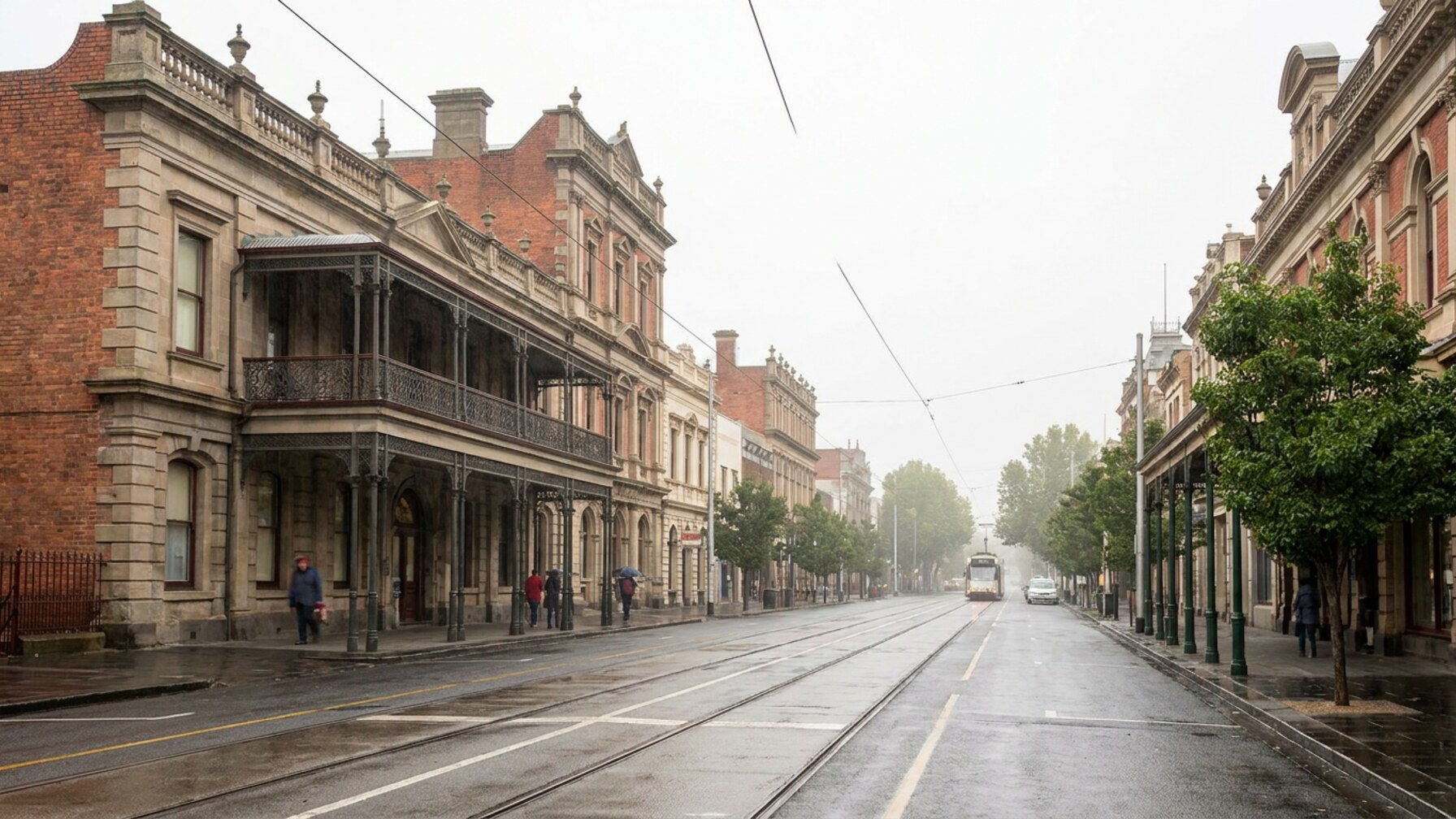
Hundreds of duplicate and degraded image files embedded in Ballarat's publicly accessible heritage collections have been replaced or flagged for removal this week, as the City of Ballarat's digital archive remediation project advanced past its halfway point. The work, coordinated through the Ballarat Heritage Office in conjunction with the Ballarat Library and Learning network on Mair Street, targets a backlog of scanning errors that had accumulated since the collection's initial digitisation push began in 2019.
The timing matters. Regional councils across Victoria face a July 31 compliance deadline under the Public Record Office Victoria's updated digital asset standards, which require local governments to demonstrate active management of corrupted or duplicated records in publicly accessible repositories. Ballarat is among a handful of regional councils that flagged incomplete remediation work earlier this year, making this week's progress operationally significant rather than merely administrative.
What the Problem Actually Looks Like on the Ground
The duplication issue is more mundane than dramatic, but its consequences are real. A researcher accessing the Ballarat Gold Heritage Collection online, for example, might encounter the same scan of a nineteenth-century mining lease filed under three separate catalogue entries, each with slightly different metadata. In some cases the files are corrupt, grey blocks replacing portions of the image, making the records functionally useless for historians, architects applying for heritage overlays, or students completing projects through Federation University Australia's Gipps Street campus.
The City of Ballarat's digital collections team identified roughly 1,400 affected image records across several sub-collections, including photographic holdings from the Ballarat Fine Art Gallery on Lydiard Street North and maps sourced from the former Ballarat School of Mines archive. As of this week, around 740 of those records had been resolved, either replaced with clean scans, merged under a single catalogue entry, or marked as requiring a physical re-scan from original materials held in storage.
Sovereign Hill, whose photographic and artefact documentation feeds into the broader regional heritage database under a memorandum of understanding with the council, contributed updated image files for 38 gold-era object records last month. That handover had been delayed since March due to internal file-format compatibility issues between Sovereign Hill's asset management system and the council's repository platform.
Progress, But the Deadline Is Close
The July 31 Public Record Office Victoria deadline gives the team less than four weeks to clear the remaining backlog of approximately 660 records. Team leaders have reportedly prioritised records tied to active planning and heritage overlay applications, a practical triage given that delays in those files can hold up development assessments, particularly in the CBD heritage precinct around Sturt and Lydiard streets.
The project is running on a budget allocation of $94,000, approved as part of the City of Ballarat's 2025-26 digital infrastructure program. That figure covers contractor scanning time, software licensing for duplicate-detection tools, and staff overtime. Whether it covers any physical conservation work on deteriorating original documents is a separate question, that stream sits under a different funding line tied to the Regional Arts and Cultural Investment program administered through Creative Victoria.
Ballarat Library's local history unit, which fields public enquiries about historical property records from the reading room on Mair Street, has been logging user-facing errors since February. Those logs are now being used to cross-reference which records need attention first, effectively turning public complaints into a quality-control tool.
For anyone who needs to access heritage image records for planning, research or insurance purposes in the coming weeks, the library's local history unit recommends calling ahead to confirm a record's status before relying on the online catalogue. Staff can pull physical copies or request priority processing for records that remain unresolved. The collection's online portal is expected to reflect the completed remediation work by mid-August, roughly two weeks after the compliance deadline.
Sources:
Source material used in preparing this article is listed below so readers can check the original record.
About this article●Beta
Published by The Daily Ballarat
Covering news in Ballarat. This article was generated by AI from the linked sources, under human editorial accountability and risk-based review and our reasonable editorial care. Sensitive material is held for human review before publication. See our reasonable editorial care.
Beta: AI-assisted and human-overseen. Details may be imperfect, so please verify anything important.