news
Ballarat reveals key data statistics shaping local government decisions
A closer look at the statistics and data driving decision-making in Ballarat's local government
How we reported this
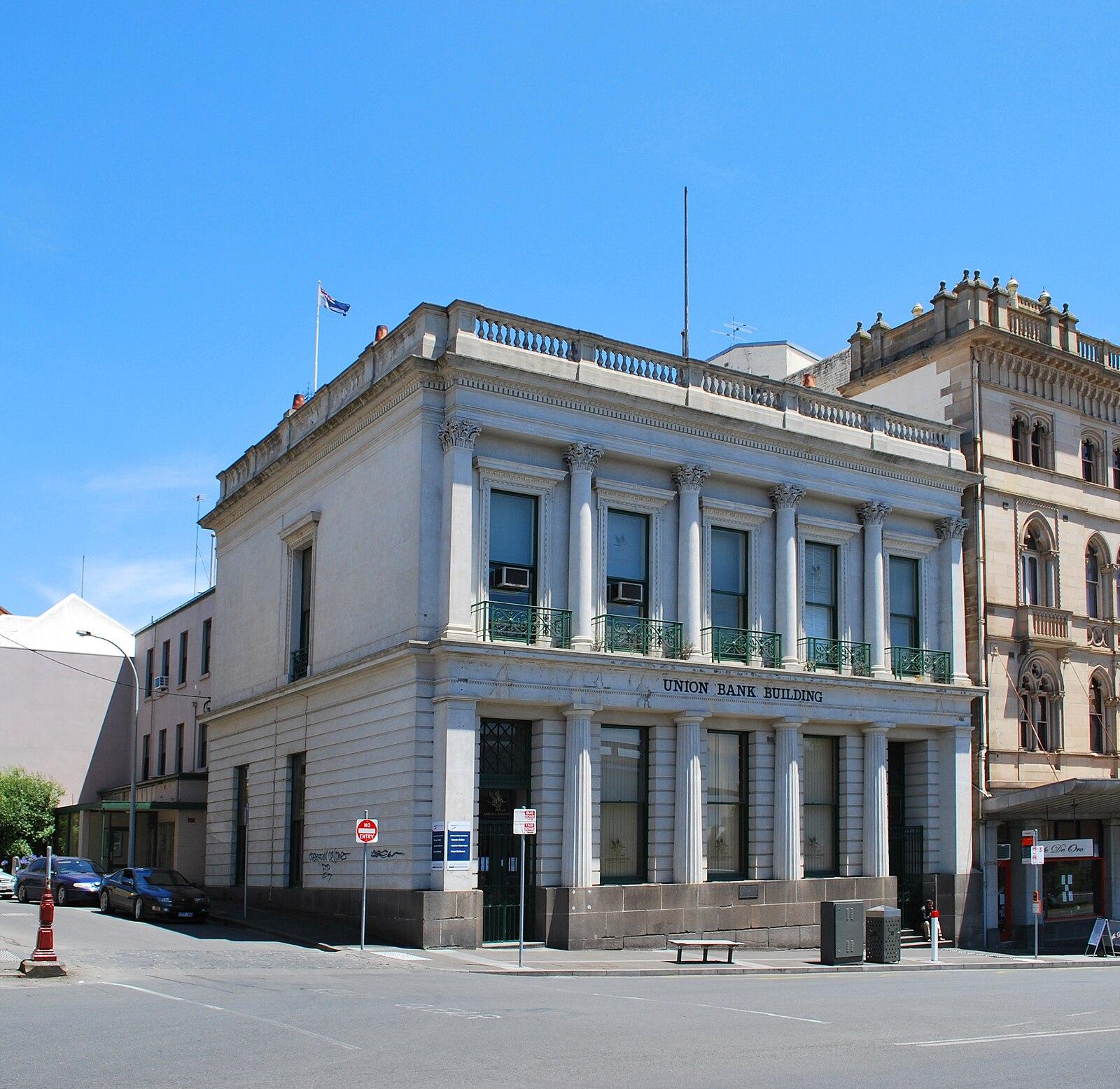
Ballarat's city council has approved a $237 million budget for the 2026-2027 financial year, with a focus on infrastructure development and community services.
This budget comes at a critical time for Ballarat, as the city continues to experience rapid growth and development. The council's decisions will have a significant impact on the daily lives of residents, from the condition of roads like Sturt Street and Mair Street, to the availability of community facilities like the Ballarat Library and the Art Gallery of Ballarat. With the city's population projected to reach 120,000 by 2030, the council must balance the needs of existing residents with the demands of new arrivals.
Local organisations like the Ballarat Regional Industries Association and the Committee for Ballarat will be closely watching the rollout of the budget, particularly in areas like the CBD and surrounding suburbs like Sebastopol and Wendouree. The budget includes $10 million for the redevelopment of the Ballarat Station precinct, as well as $5 million for the expansion of the Sovereign Hill museum. These projects are expected to have a significant impact on the local economy, with the potential to create new jobs and stimulate business growth.
Data-Driven Decision Making
A closer look at the data behind the budget reveals some interesting trends. According to the council's own statistics, the city's population has grown by 12% over the past five years, with a corresponding increase in demand for services like public transport and healthcare. The budget includes a $2 million investment in the Ballarat Health Services, which will help to meet this growing demand. Additionally, the council has allocated $1.5 million for the development of new bike lanes and pedestrian infrastructure, in response to data showing a 25% increase in cycling and walking trips over the past two years.
As the budget is implemented, residents can expect to see a range of changes and improvements across the city. The council has committed to upgrading 20 kilometres of road network over the next 12 months, at a cost of $8 million. This will include the resurfacing of main roads like Gillies Street and Drummond Street, as well as the repair of footpaths and pedestrian crossings. With the budget also including $500,000 for the development of new community programs and events, there will be plenty of opportunities for residents to get involved and have their say on the future of the city.